Origin
United States
Lifespan
13–15 years
Weight
3–7 kg
Group
Semi-Longhair
Personality
Colors & Patterns
All Colors · Tabby · Colorpoint · Bi-Color
American Bobtail
About This Breed
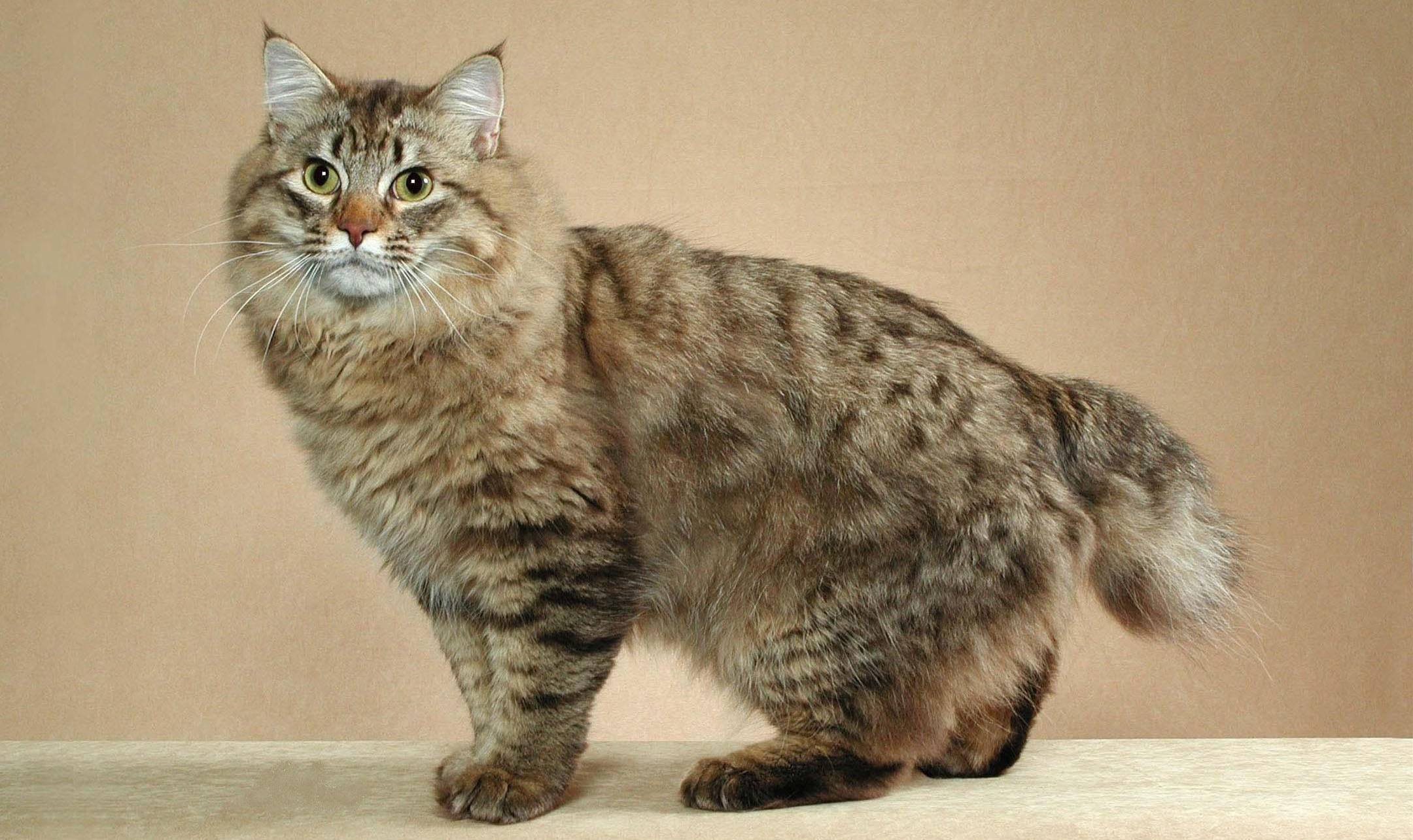
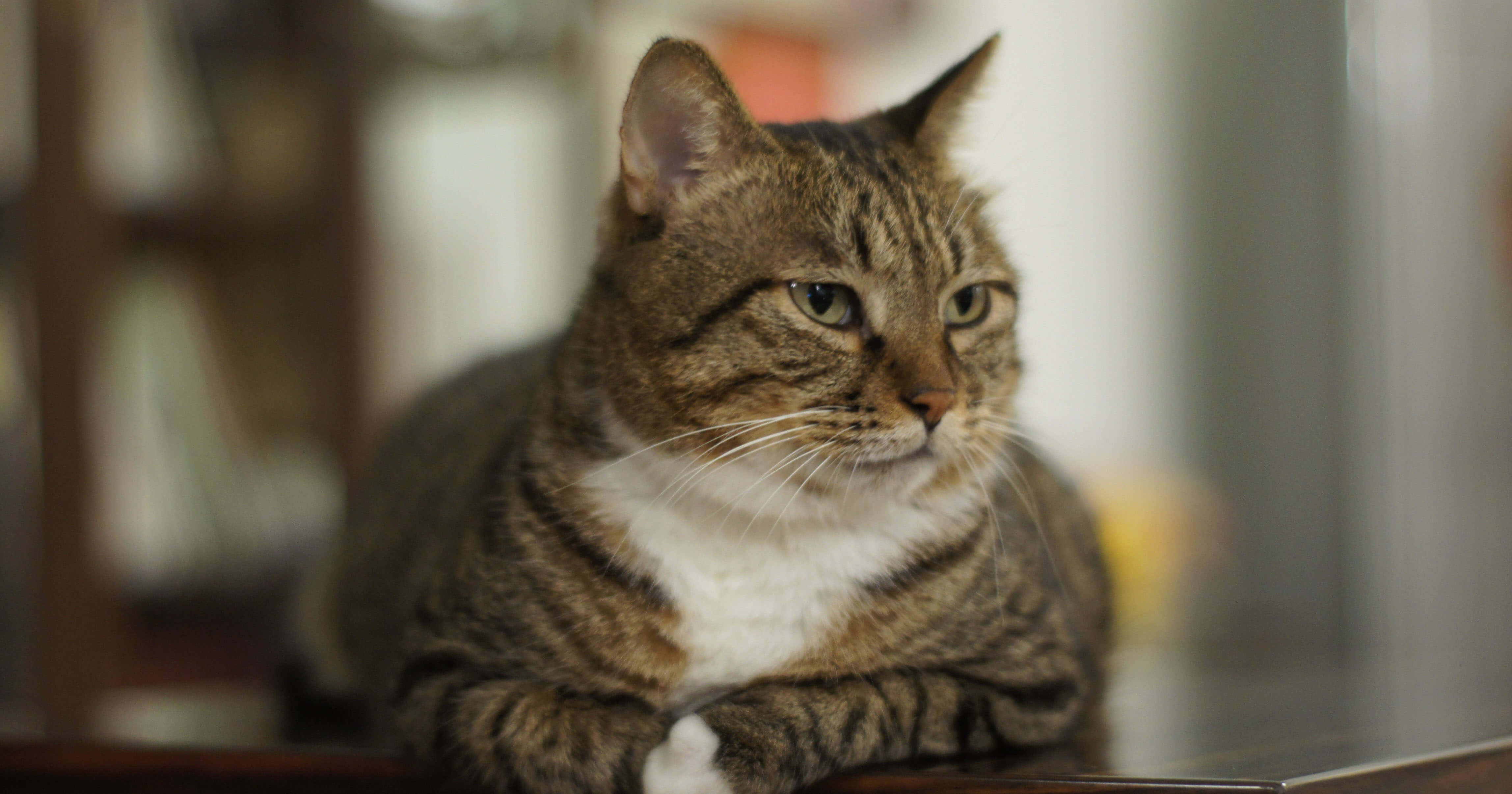
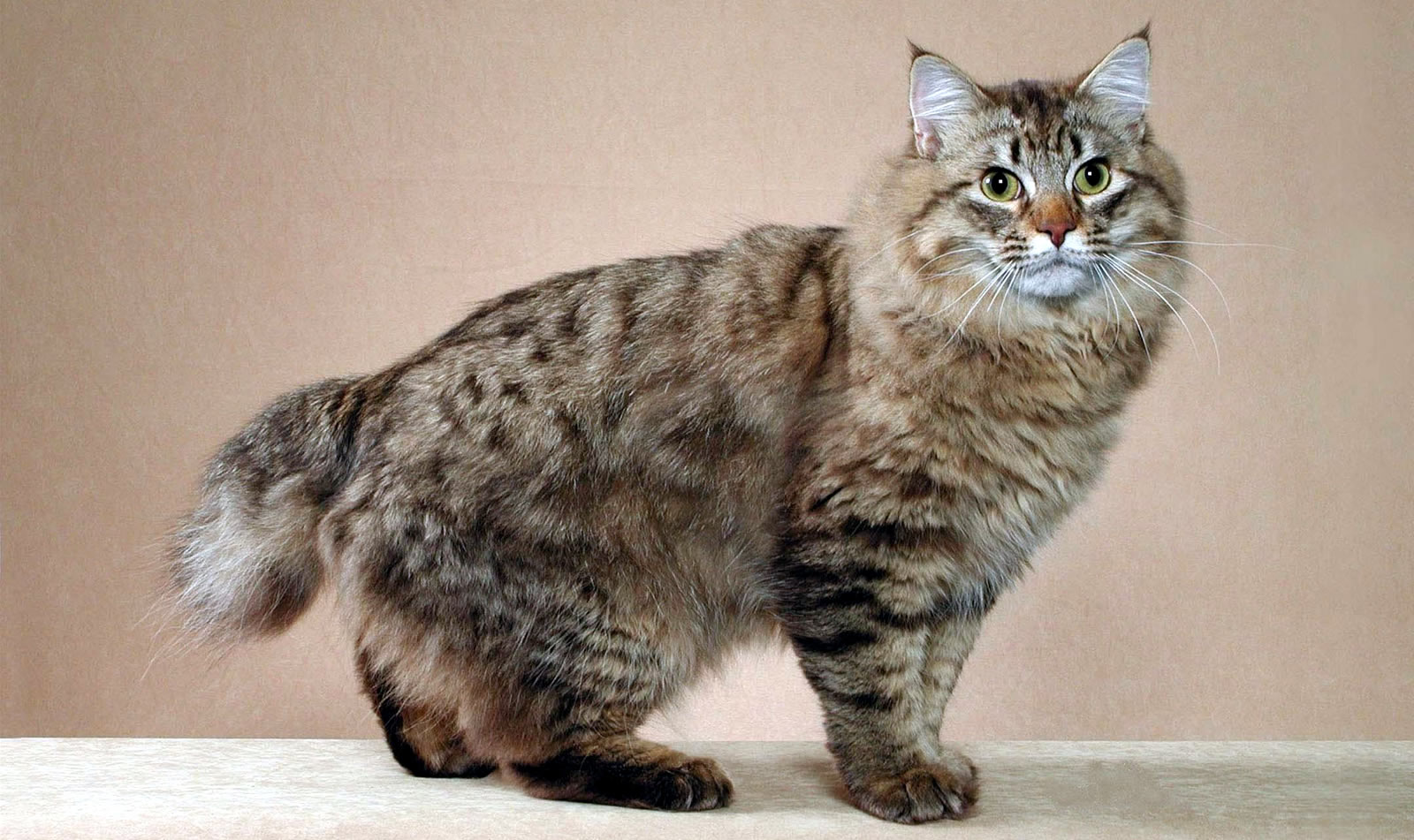
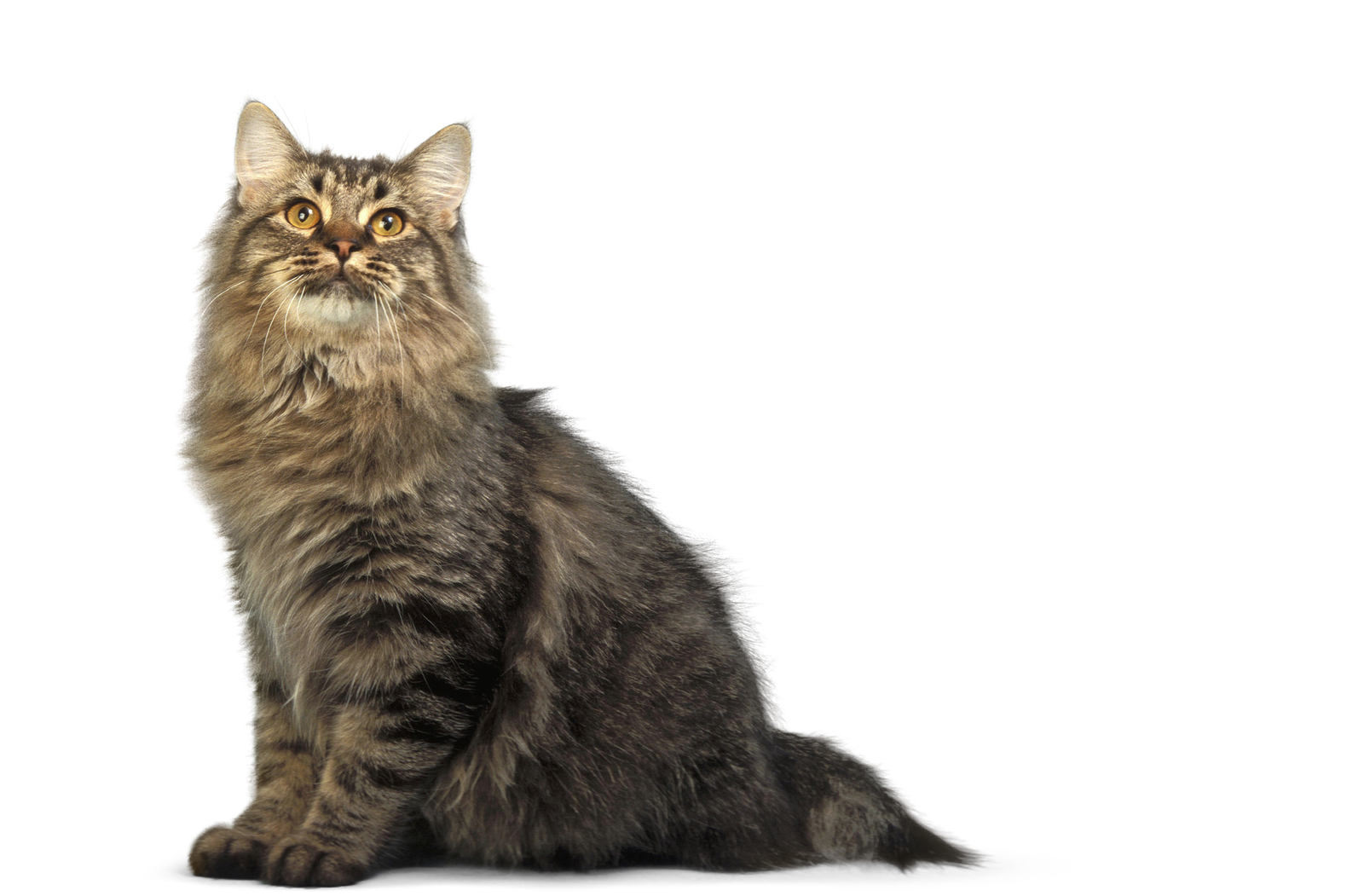
The American Bobtail is a naturally occurring breed characterized by its distinctive short, stubby 'bobbed' tail, which is typically one-third to one-half the length of a normal cat's tail. The breed originated in the 1960s from a short-tailed tabby kitten found on an Arizona Native American reservation. American Bobtails are intelligent, interactive cats often compared to dogs for their ability to learn tricks and play fetch. They come in both shorthair and longhair varieties and are known for their adaptable, devoted nature.
Characteristics
Scores describe general breed tendencies, not an individual animal. A higher score means more of the named trait or need; it does not always mean better.
Life with a American Bobtail
Origin
| Origin | United States |
| Group | Semi-Longhair |
For the breed’s history, see the reference sources and Wikipedia link below.
Size and coat
| Weight | 3–7 kg |
| Lifespan | 13–15 years |
| Colors & Patterns | All Colors · Tabby · Colorpoint · Bi-Color |
These are approximate adult ranges. Individual animals may be smaller or larger.
Temperament
| Personality | Intelligent · Playful · Devoted · Friendly · Adaptable |
Usually active. Make time for play, exercise, and activities that keep it interested.
Often seeks company and attention. Allow time together and help it get used to short periods alone.
Coat care
Usually needs relatively little coat care. Brush as needed for its coat and shedding.
Some shedding is expected, and it may change with the season.
Living together
Often adjusts to changes fairly well, though a gradual introduction still helps.
Often gets along with children, but an adult should still supervise their time together.
Often gets along with other pets. Introduce them gradually rather than assuming they will be friends.
Health and lifespan
A lifespan range is not a prediction for an individual animal. Breed scores cannot diagnose illness or replace a veterinary assessment.
Offer places to climb, hide, scratch, and rest. Try different toys to see what your cat enjoys.
More from breed and care sources
Excerpts from the linked sources. Read the original for full details.
About the Breed
The call of the wild comes home to your lap! American Bobtails combine the untamed, exotic look of a hunting cat with a mellow, adaptable personality and a very high level of intelligence. Athletic, muscular and powerful, this breed is also very gentle, loving and interactive. Inspired by the discovery of one unique bobtailed cat in Arizona in the late 1960s, American Bobtails have been selectively bred over many years to produce characteristics comparable to that one special cat. With their natural bobtails and distinctive hunting gaze, they may look as though they came straight out of the forest, but this breed is 100% domestic and ready to charm its way into your territory.
Breed History
American Bobtails are classified as a mutation breed because of their short tails. Unlike most other mutation breeds, however, the “Am-Bobs” do not trace their ancestry back to one or more foundation cats. The breed’s “concept cat” was a brown tabby bobtailed stray named “Yodie” who was bred to a seal point Siamese. The resulting short-tailed kittens indicated a dominant bobtail gene existed in the feral cat population. Breeders began working with feral bobtailed cats from all over the United States and Canada, selecting for the slightly wild look that has become the breed’s trademark. Remarkably, cats from thousands of miles apart, with no common ancestry, were found to bear a striking resemblance to each other, and used to create one of CFA’s most diverse breeds.
Character & Temperament
Because of their self-sufficient ancestors, who had to fend for themselves in a variety of environments, American Bobtails possess an unusually high level of intelligence. They are independent, but that does not mean they are not affectionate! These cats form strong bonds with their human families and are known for developing their own special interactive games, most of which revolve around hunting. They love to stalk and then pounce on a toy, and often carry the captured “prey” around in their mouths triumphantly. Easygoing and tolerant, the American Bobtail is an excellent companion for children and has also proven to be quite compatible with dogs. With their high intelligence, they seem to have a special sensitivity to human moods and have been known to seek out owners who are distressed to offer a comforting purr or cuddle. They are often used in special needs classrooms and for those with PTSD and anxiety disorders. Although relatively quiet, they will trill, chirp, or make clicking sounds when intrigued or engaged. They are easily leash trained and love to go for walks with their people.
Physical Appearance
You might think of the bob tail as this cat’s most distinctive feature, but in actual fact, it is the head and body that stand out. A prominent, fleshy brow enhances the eyes, which are almost almond in shape, and contributes to the breed’s characteristic “hunting gaze.” The head is a broad modified wedge without noticeable flat planes, and cheekbones should be apparent. The body is moderately long, with a broad chest and rectangular stance, and may be surprisingly heavy due to the cat’s muscle development. The tail is approximately half the length of a normal tail, broad at the base, flexible but never fragile.
Grooming
This is not a breed that requires a major time commitment in the grooming department. The American Bobtail’s coat, even the long-haired version, is easily maintained with weekly brushing or combing. Like all cats, they benefit from an occasional bath, but bathing is not essential as long as owners can keep up with the brushing. It may, however, help reduce shedding, which does occur to some degree with all cats.
Life at home
Given the incredibly diverse genetic background of the American Bobtail, you would not expect the breed to have significant health problems. While typically harmless, the tail mutation could make the cat susceptible to spine and hip problems, some of which can be heritable. Completely tailless cats, which do occur occasionally, may have issues with incontinence. Responsible breeders quickly remove cats with such issues from their breeding programs. Tailed kittens may also occur in litters: they cannot be shown, but are excellent pets and an important part of the program of any ethical Am-Bob breeder. Relatively rare, American Bobtails are cherished by dedicated breeders who are committed to increasing their visibility and popularity.