Origin
United States
Lifespan
9–13 years
Weight
3–5 kg
Group
Shorthair
Personality
Colors & Patterns
Various Colors and Patterns
American Curl
About This Breed
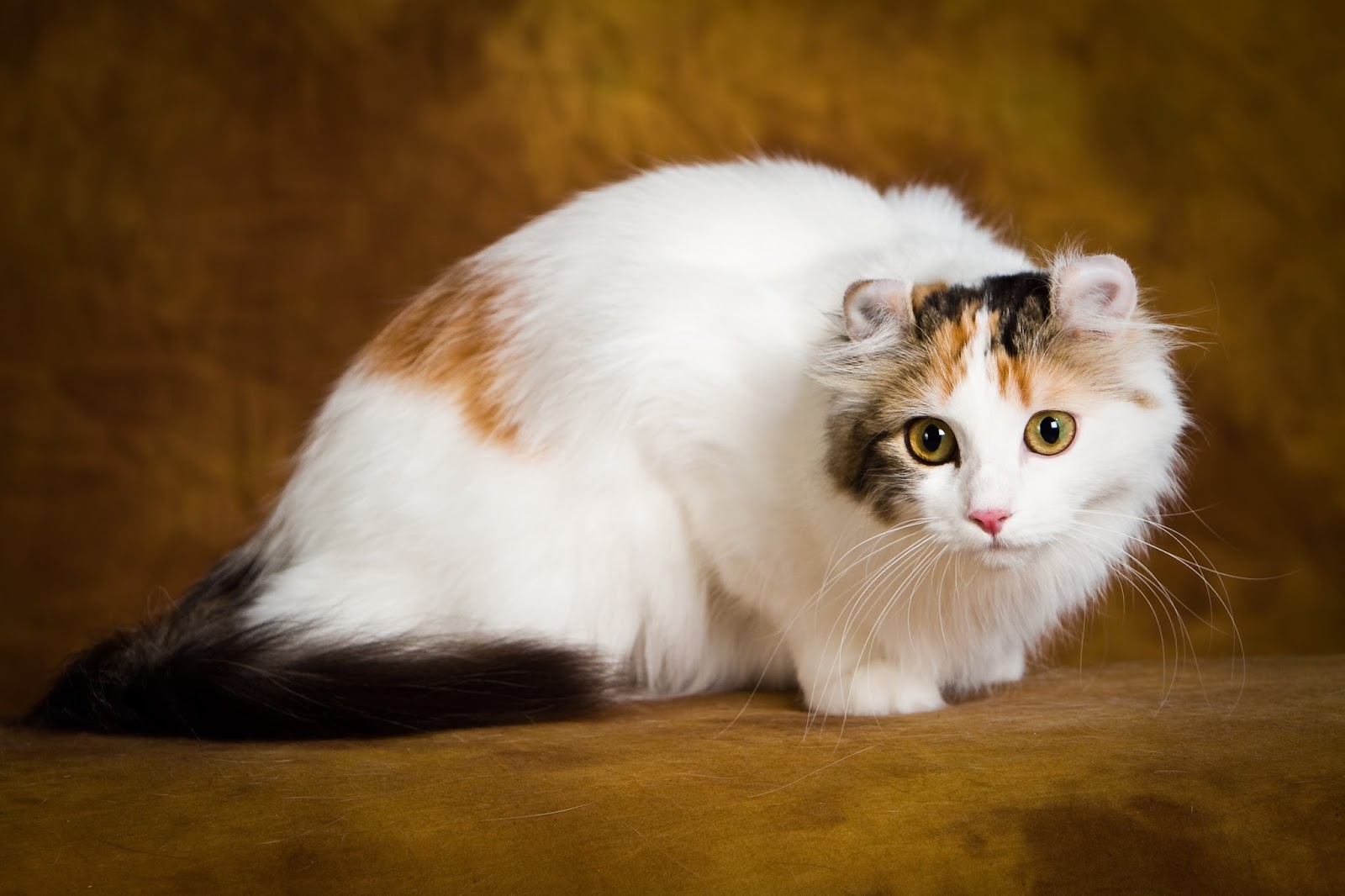
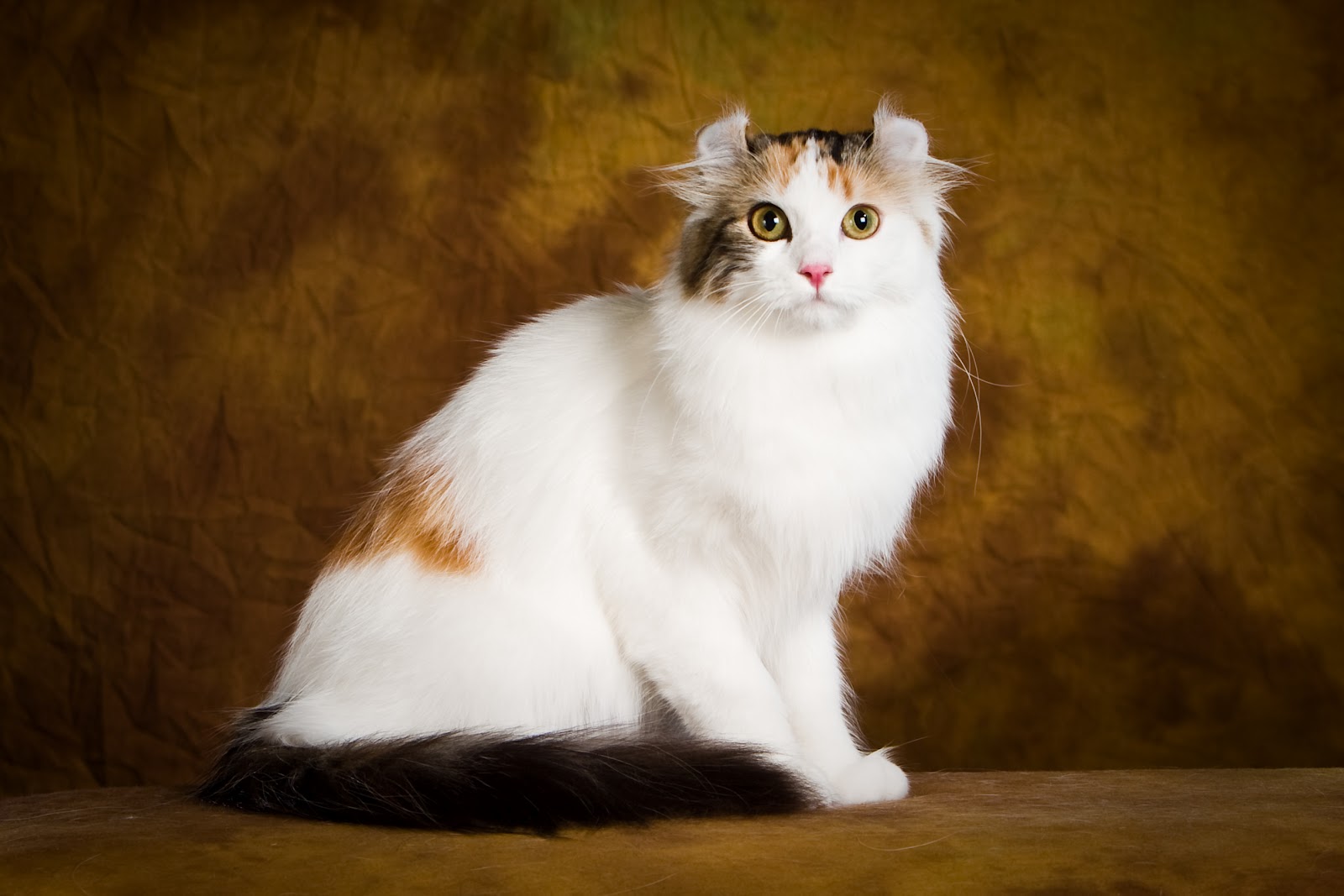
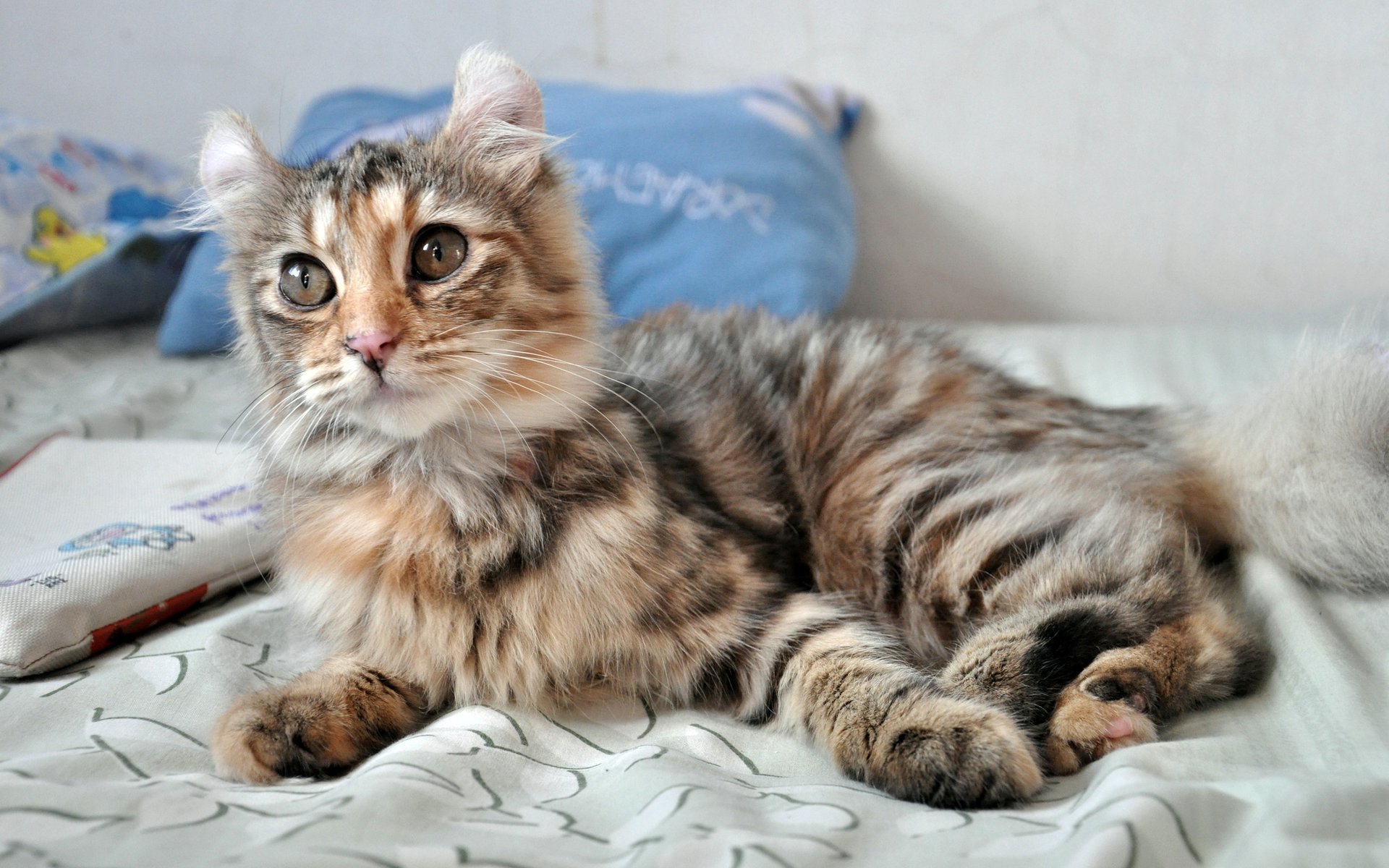
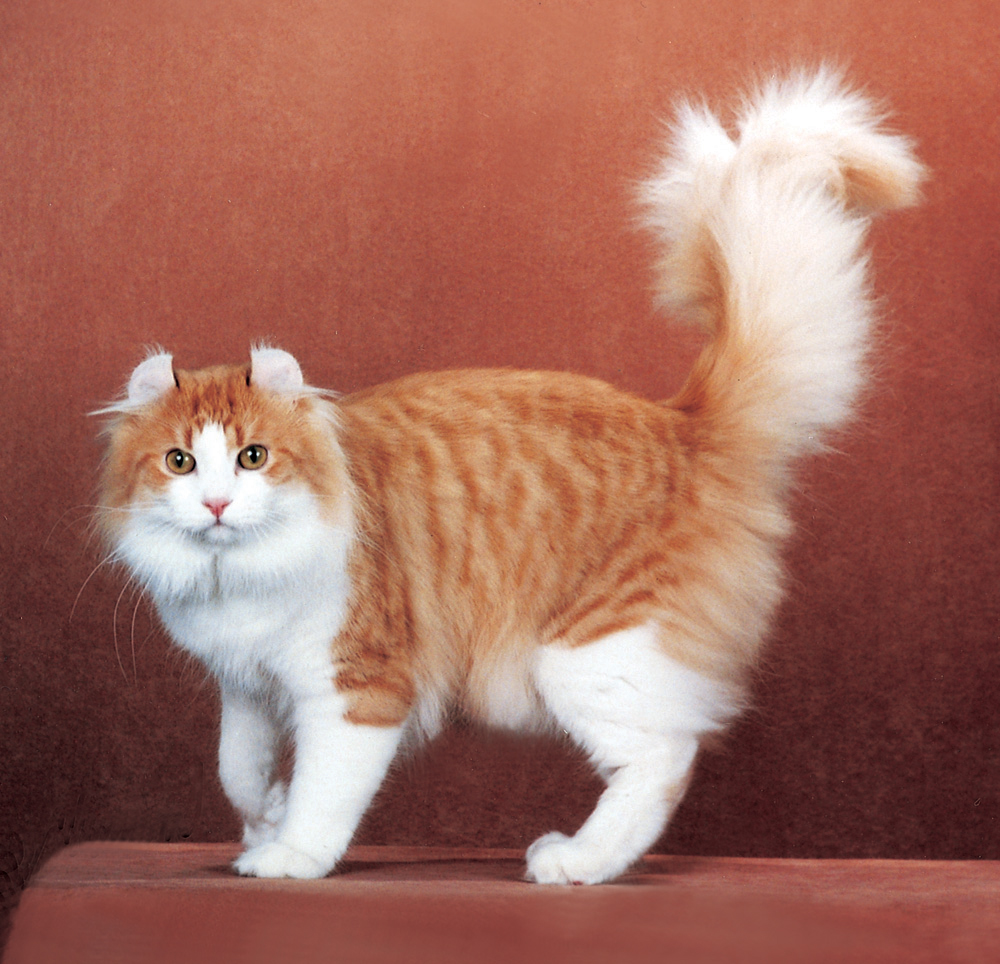
The American Curl is a breed of cat characterized by its unusual ears, which curl back from the face toward the center of the back of the skull. The breed originated in Lakewood, California, as the result of a spontaneous natural mutation. All American Curl kittens are born with straight ears, which begin to curl within 10 days. The American Curl's curled ears give the appearance of alertness. They are known as 'the Peter Pan of cats' for maintaining their kitten-like personality.
Characteristics
Scores describe general breed tendencies, not an individual animal. A higher score means more of the named trait or need; it does not always mean better.
Life with a American Curl
Origin
| Origin | United States |
| Group | Shorthair |
For the breed’s history, see the reference sources and Wikipedia link below.
Size and coat
| Weight | 3–5 kg |
| Lifespan | 9–13 years |
| Colors & Patterns | Various Colors and Patterns |
These are approximate adult ranges. Individual animals may be smaller or larger.
Temperament
| Personality | Playful · Gentle · Social · Affectionate · Adaptable |
Usually active. Make time for play, exercise, and activities that keep it interested.
Often seeks company and attention. Allow time together and help it get used to short periods alone.
Coat care
Usually needs relatively little coat care. Brush as needed for its coat and shedding.
Usually sheds relatively little. Low shedding does not mean an animal cannot cause allergies.
Living together
Often adjusts to changes fairly well, though a gradual introduction still helps.
Often gets along with children, but an adult should still supervise their time together.
Often gets along with other pets. Introduce them gradually rather than assuming they will be friends.
Health and lifespan
A lifespan range is not a prediction for an individual animal. Breed scores cannot diagnose illness or replace a veterinary assessment.
Offer places to climb, hide, scratch, and rest. Try different toys to see what your cat enjoys.
More from breed and care sources
Excerpts from the linked sources. Read the original for full details.
About the Breed
Once this curly-eared charmer walks into your home, life will never be the same again. That’s what happened back in 1981, when the first American Curl appeared on a doorstep in California. The striking, graceful curve of the stray kitten’s ears and its engaging, alert expression captured the heart of a woman who became the founder of this fascinating breed. . . truly a serendipitous encounter for both! Today’s Curls continue the tradition of taking over their owners’ homes, hearts, and lives! Available in two coat lengths and in any genetically possible color, the breed offers cat lovers an extraordinary variety of unique individuals, each with those characteristic swept-back, tufted ears.
Breed History
That first American Curl kitten, a black female named Shulamith, became the breed’s foundation cat. Her offspring revealed the curled ears to be an autosomal dominant; only one copy of the gene is necessary to produce the distinctive shape. Joe and Grace Ruga, the original breeders, began to confer with CFA judges to determine if “Shu’s” kittens were candidates for the development of a new breed. A standard was drafted which drew on several other breeds for reference, but described a cat that resembled no other breed in existence. Then, curl-eared cats were crossed to domestic shorthairs and longhairs with characteristics that reflected the standard. So, while the original American Curl cat was designed by Mother Nature, the breed was carefully built by dedicated breeders over time.
Character & Temperament
Exceptionally people-oriented, the American Curl often finds itself torn between conflicting desires. Would it prefer to help you put dinner together, provide assistance with sorting the day’s mail, or pursue your shoelaces as you walk through the house? Affectionate, easygoing and adaptable, the Curl is an acknowledged expert in making itself at home in any environment, often in record time. Intelligent and curious, they express themselves by making chirping little comments on your activities or gently inquiring when dinner will be served. The Curl’s activity level is energetic enough to make it an amusing and engaging companion but never an annoying one. They retain a kitten-like personality well into adulthood, so typically do well with children of all ages and look forward to regular play sessions with their owners. They also tend to have an inherent respect for other pets in the household, which makes them quite compatible with dogs, other cats or any other type of pet.
Physical Appearance
Assessing the quality of American Curl kittens calls for patience, because the kittens’ ears are straight at birth. In three to five days, they start to curl backwards, unfurling gradually until they become permanently “set” at around 16 weeks. Only then can breeders easily distinguish between pet and show quality. The degree of ear curl can vary greatly, ranging from almost straight (pet quality) to a show quality ear with an arc of 90-180 degree. Other key characteristics include a medium-sized rectangular body, expressive walnut-shaped eyes, a modified wedge shape to the head, and a long tail that is approximately equal to the body length.
Grooming
Both the longhair and shorthair Curl coats are silky and flat-lying. Since there is minimal undercoat, they are relatively easy to groom. To keep shedding to a minimum, combing or brushing is recommended two or three times a month. It is important to keep the ears clean, but use extreme care in handling them. Work up and away from the ear canal opening with a cotton swab soaked in ear cleaner, and avoid pulling on the delicate cartilage.
Life at home
Since the breed allowed outcrossing to domestic random-bred cats until 2015, their gene pool is one of the most diverse available. To date, no breed-linked health issues have come to light. Nevertheless, many breeders still do regular testing to ensure that recessive issues from the larger feline population do not surface within the breed. However, with such a varied and diversified foundation, it’s clear that the Curl’s future is a bright one.
Breed Overview
The “curl” in American Curl refers to the cats’ most standout trait: ears that curl backward toward their head. In 1981, a longhaired black kitten with curled ears appeared on the doorstep of Joe and Grace Ruga in Lakewood, California. This unexpected arrival was the very first American Curl. The Rugas named her Shulamith and soon discovered that her ears were a result of a spontaneous genetic mutation—and that the curled-eared trait could be passed on without any negative health effects. News of the charming cat with the curled ears spread, and the breed quickly gained popularity.
Care Guide
Lauren Witter, DVM, MS, veterinarian at Small Door Veterinary in New York, sums up the personality of the American Curl cat as affectionate and kitten-like. “They are known for being people-oriented, and get along well with children and other pets,” she says. The fact that they remain so playful well into adulthood can be a surprising quirk to some pet parents. Interactive play sessions and lots of appropriate surfaces to climb and scratch, like cat trees, shelving, and scratching posts, help keep these energetic cats satisfied—and out of mischief. While their curled ears are not associated with any genetic health conditions and the breed is relatively healthy, American Curls are prone to more ear infections than other cats. Aside from routine ear care, Witter says pet parents can expect a low-maintenance grooming routine.