Origin
United States
Lifespan
14–18 years
Weight
3–6 kg
Group
Shorthair
Personality
Colors & Patterns
All Colors · Tabby · Solid · Bi-color
American Wirehair
About This Breed
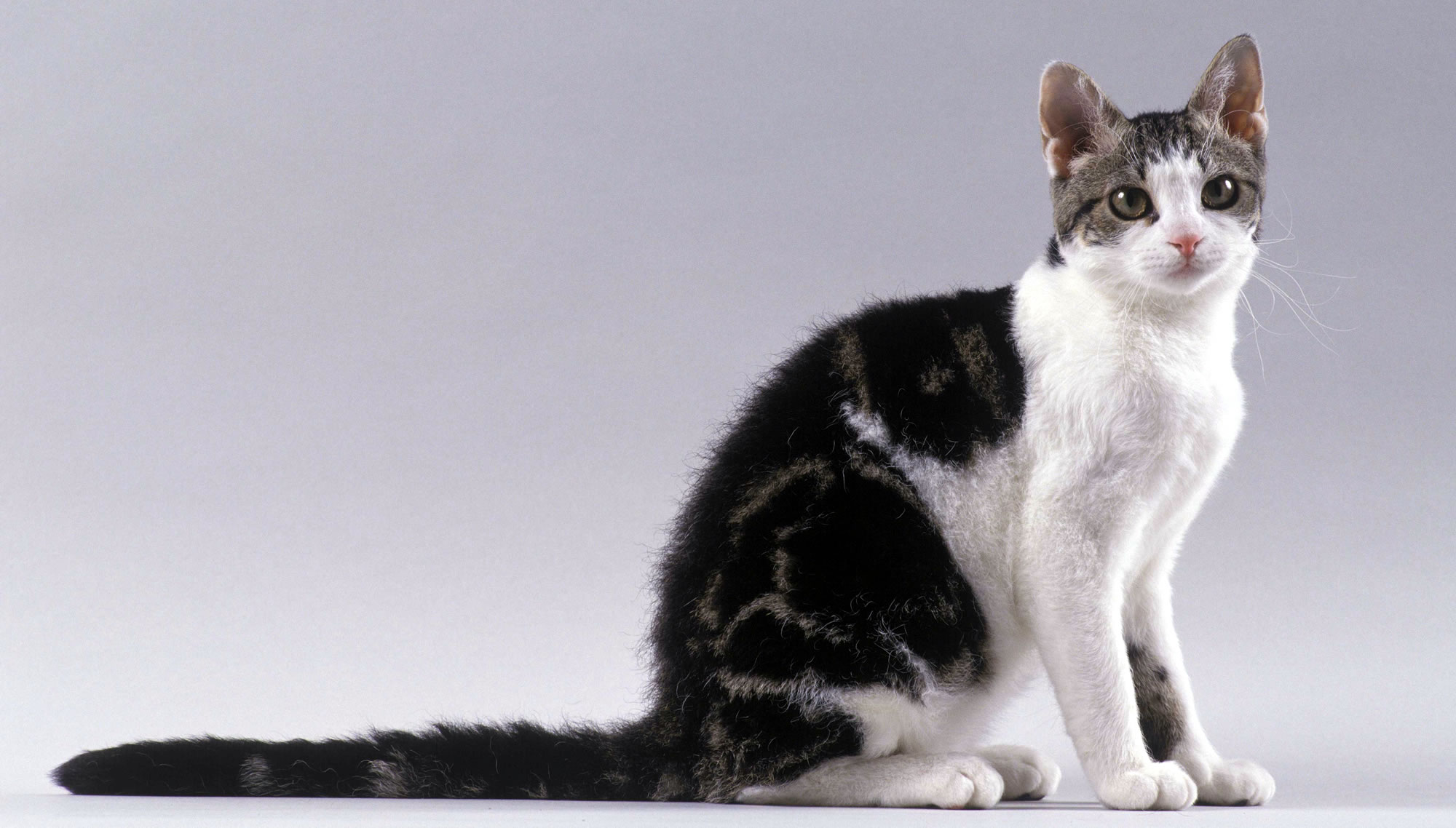
The American Wirehair arose as a spontaneous mutation in a litter of barn cats in upstate New York in 1966. Its defining feature is a unique wiry, crimped, springy coat caused by a dominant mutation in the hair shaft. American Wirehairs are medium to large, well-muscled cats. They are easygoing, tolerant, adaptable, and playful, making them excellent companions for families. They tend to be quieter and more reserved than many other breeds.
Characteristics
Scores describe general breed tendencies, not an individual animal. A higher score means more of the named trait or need; it does not always mean better.
Life with a American Wirehair
Origin
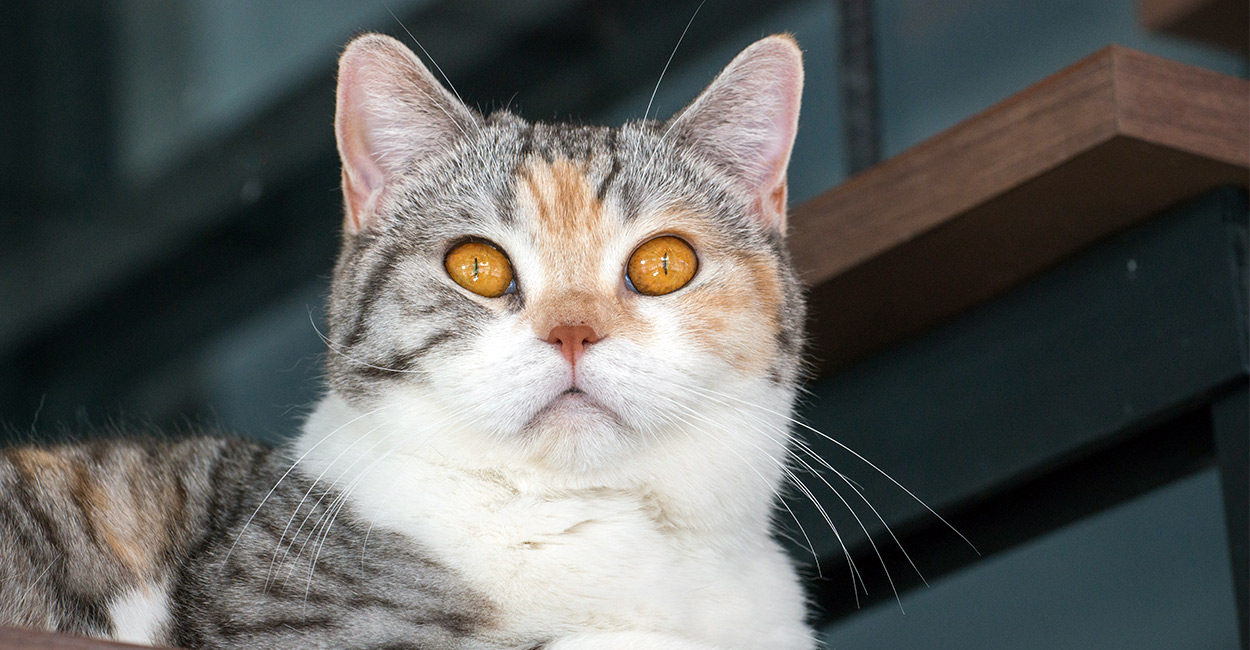
| Origin | United States |
| Group | Shorthair |
For the breed’s history, see the reference sources and Wikipedia link below.
Size and coat
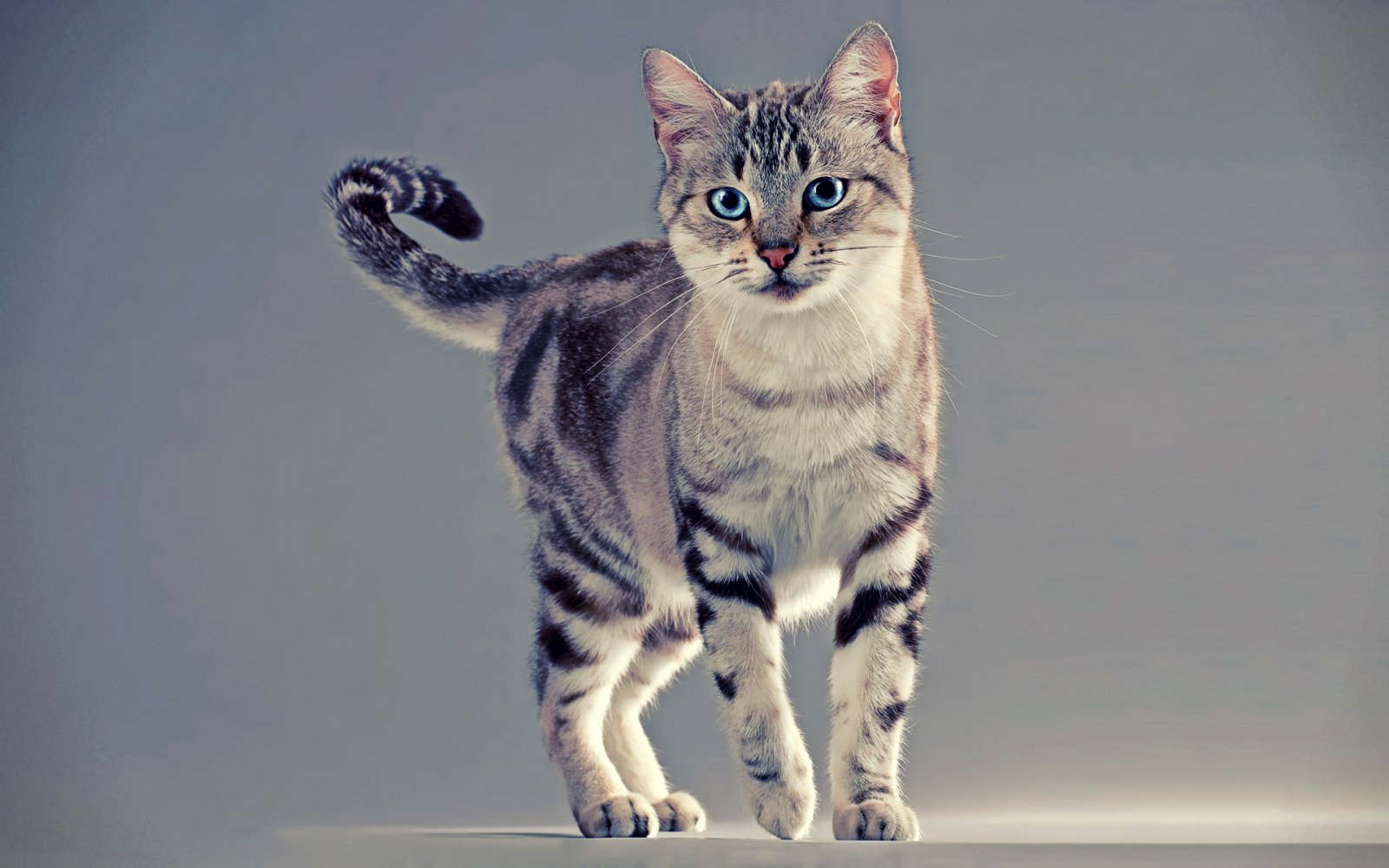
| Weight | 3–6 kg |
| Lifespan | 14–18 years |
| Colors & Patterns | All Colors · Tabby · Solid · Bi-color |
These are approximate adult ranges. Individual animals may be smaller or larger.
Temperament
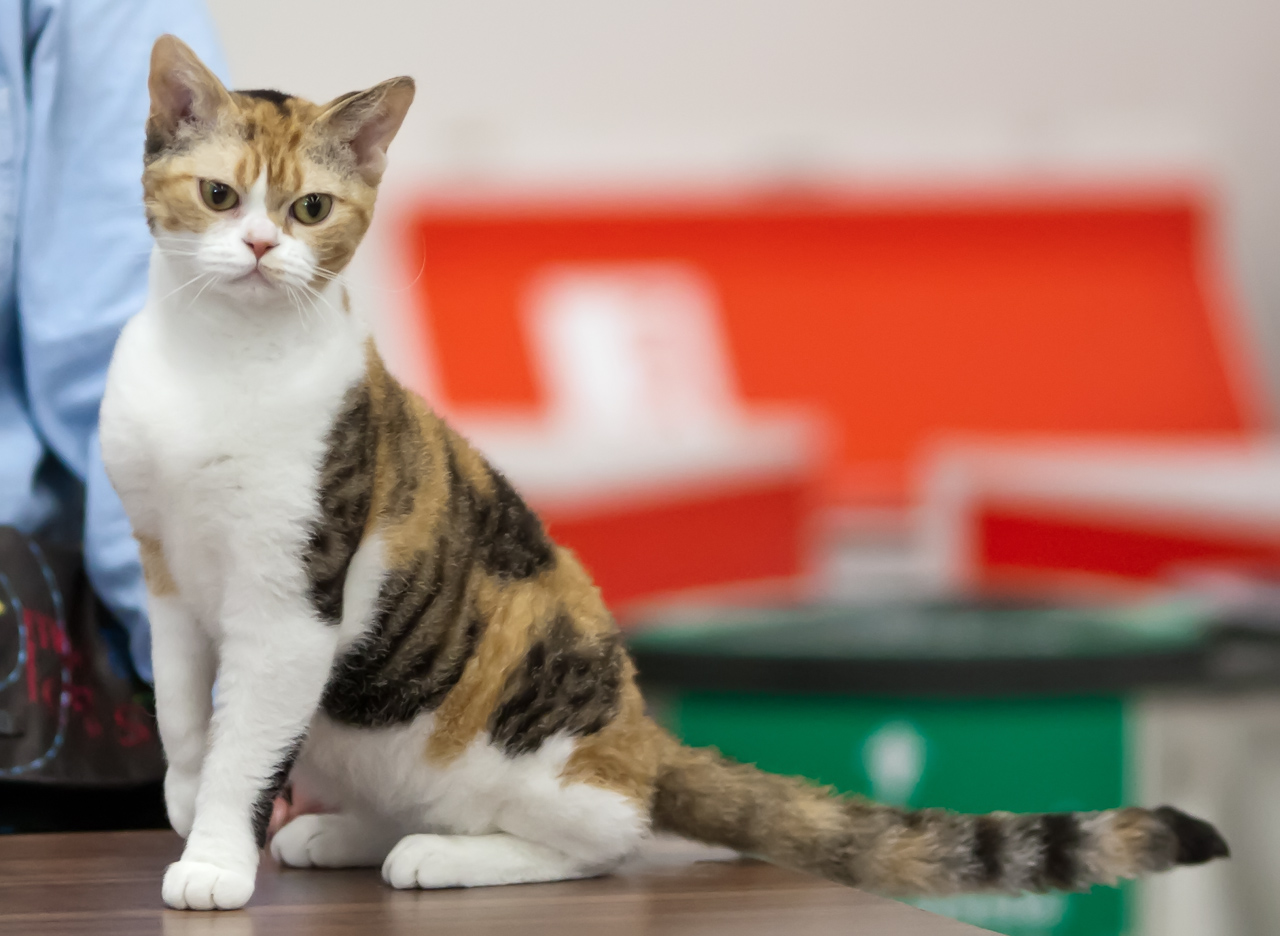
| Personality | Reserved · Playful · Affectionate · Adaptable · Curious |
Often enjoys a mix of activity and rest.
Often seeks company and attention. Allow time together and help it get used to short periods alone.
Coat care
Usually needs relatively little coat care. Brush as needed for its coat and shedding.
Usually sheds relatively little. Low shedding does not mean an animal cannot cause allergies.
Living together
Often adjusts to changes fairly well, though a gradual introduction still helps.
Often gets along with children, but an adult should still supervise their time together.
Often gets along with other pets. Introduce them gradually rather than assuming they will be friends.
Health and lifespan
A lifespan range is not a prediction for an individual animal. Breed scores cannot diagnose illness or replace a veterinary assessment.
Offer places to climb, hide, scratch, and rest. Try different toys to see what your cat enjoys.
More from breed and care sources
Excerpts from the linked sources. Read the original for full details.
About the Breed
What if you could cat-ify a Brillo pad? Take the coarse, stiff texture of steel wool and translate it into a crisp, fuzzy coat that stands off from the cat’s body. . . then pair it with an easy-going, amiable personality and an overall look reminiscent of the American Shorthair? You would have created the American Wirehair! However, Mother Nature was ahead of you and did just that, back in 1966. This striking mutation first appeared in a litter of barn cats in upstate New York, and has not occurred again in any other country that we know of. It’s truly an American original.
Breed History
Sadly, only one of the four original wire-haired kittens survived infancy, but he grew up to be the breed’s foundation cat. Council Rock Farms Adam of Hi-Fi was a red tabby and white noted not only for his unusual coat but also for his mellow, even-tempered personality. Purchased by Mrs. Joan O’Shea, who worked to establish the breed, Adam produced both wired and straight-coated offspring. It was soon established that the wiry coat was dominant but semi-penetrating, meaning that in a wire-to-straighthair breeding, on average, half of the kittens will be wired. Breeding two Wirehairs, naturally, produces a higher percentage of wired kittens. First accepted by CFA in 1967, the breed was granted championship status in 1978—the same year that the first Wirehair National Win was achieved.
Character & Temperament
While the coat is the Wirehair’s most distinctive feature, its personality shines in several ways. These cats may have a favorite person, but they nevertheless make time for everyone in the home. Each family member can count on receiving his or her fair share of regular head butts and enthusiastic purrs. At the same time, these cats are independent and self-sufficient enough to be left alone during the day. Some are mechanically gifted and can learn to open cabinets or drawers—especially those which might contain food. Wirehairs take great interest in whatever activities their humans are engaged in, but are more likely to supervise or observe than to become actively involved. They easily adapt to the company of other pets and are gentle with children. While not particularly vocal, they may greet you with a questioning mew after a significant absence or purr to remind you it’s playtime. Strong and athletic, Wirehairs can become quite enthusiastic once an interactive game with a toy has begun; you just might not get the toy back!
Physical Appearance
That all-important wirehair coat carries a full 45-point weighting in the breed standard, more than the coat of any other breed. Coats vary in texture from one cat to another, and may feel soft, wooly and dense or be harder and sparser. Even the whiskers and hair inside the ears should be crimped or bent. Since the American Shorthair is used as an outcross for this breed, Wirehairs should appear structurally similar to the Shorthairs, with strong, powerful bodies and well-developed muzzles. However, their cheekbones are more prominent and help accentuate the large, round eyes.
Grooming
American Wirehairs are one of the easiest of all breeds to groom. They do shed, but an occasional bath can help reduce the incidence of shedding. Blow-drying is not necessary; simply towel dry the cat and keep it in a warm room until no longer damp. Some owners have found that a running a rolling lint collector over the cat’s coat is almost as effective as a bath.
Life at home
Still considered a minority breed, the American Wirehair is deserving of greater appreciation by the cat-loving public. Despite the close line breeding used to create their unique look, there is no record of any health problems being characteristic to the breed. Most breeders today rely on genetic testing and may also test breeding cats via echocardiogram in order to help prevent hypertrophic cardiomyopathy. This is, however, a reflection of breeder diligence and dedication rather than an indication of health issues.