Origin
United Kingdom
Lifespan
12–18 years
Weight
3–5 kg
Group
Shorthair
Personality
Colors & Patterns
Black · Blue · Chocolate · Lilac · Red · Cream · Tabby
Asian
About This Breed
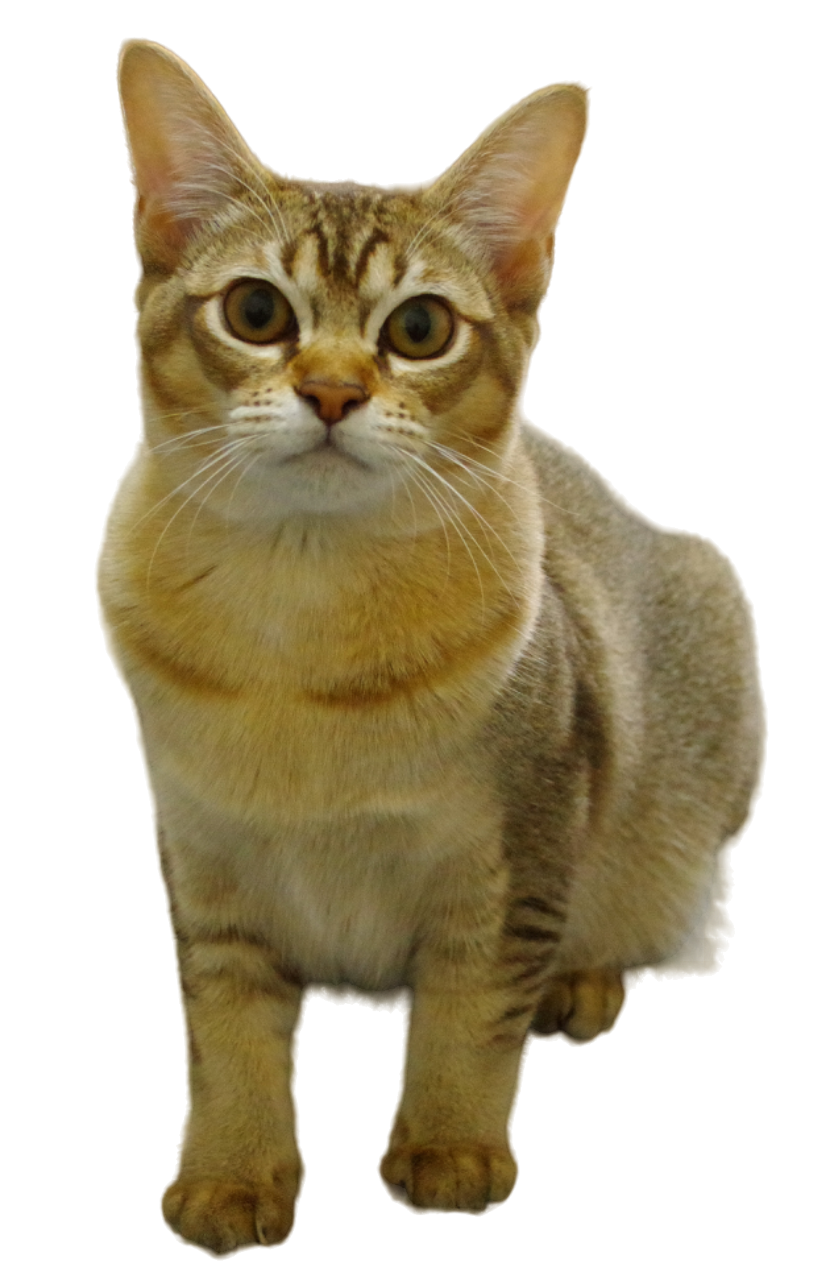
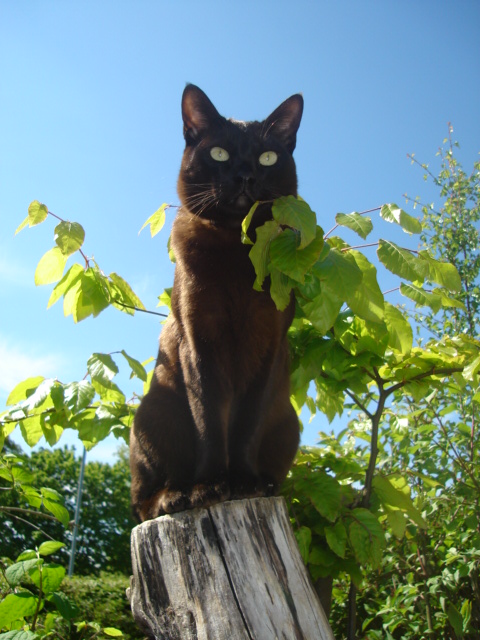
The Asian cat is a breed group developed in the United Kingdom in the 1980s from the same breeding program that produced the Burmilla. It includes several varieties such as the Asian Self (solid colors), Asian Tabby, and Asian Smoke. Asians have a similar body type to the Burmese with a short, fine coat and expressive golden or green eyes. They are intelligent, curious cats that enjoy human company and are known for their playful, affectionate personalities.
Characteristics
Scores describe general breed tendencies, not an individual animal. A higher score means more of the named trait or need; it does not always mean better.
Life with a Asian
Origin
| Origin | United Kingdom |
| Group | Shorthair |
For the breed’s history, see the reference sources and Wikipedia link below.
Size and coat
| Weight | 3–5 kg |
| Lifespan | 12–18 years |
| Colors & Patterns | Black · Blue · Chocolate · Lilac · Red · Cream · Tabby |
These are approximate adult ranges. Individual animals may be smaller or larger.
Temperament
| Personality | Affectionate · Curious · Social · Intelligent · Playful |
Usually active. Make time for play, exercise, and activities that keep it interested.
Often seeks company and attention. Allow time together and help it get used to short periods alone.
Coat care
Usually needs relatively little coat care. Brush as needed for its coat and shedding.
Usually sheds relatively little. Low shedding does not mean an animal cannot cause allergies.
Living together
Often adjusts to changes fairly well, though a gradual introduction still helps.
Often gets along with children, but an adult should still supervise their time together.
Introduce other pets gradually and watch how each animal responds.
Health and lifespan
A lifespan range is not a prediction for an individual animal. Breed scores cannot diagnose illness or replace a veterinary assessment.
Offer places to climb, hide, scratch, and rest. Try different toys to see what your cat enjoys.