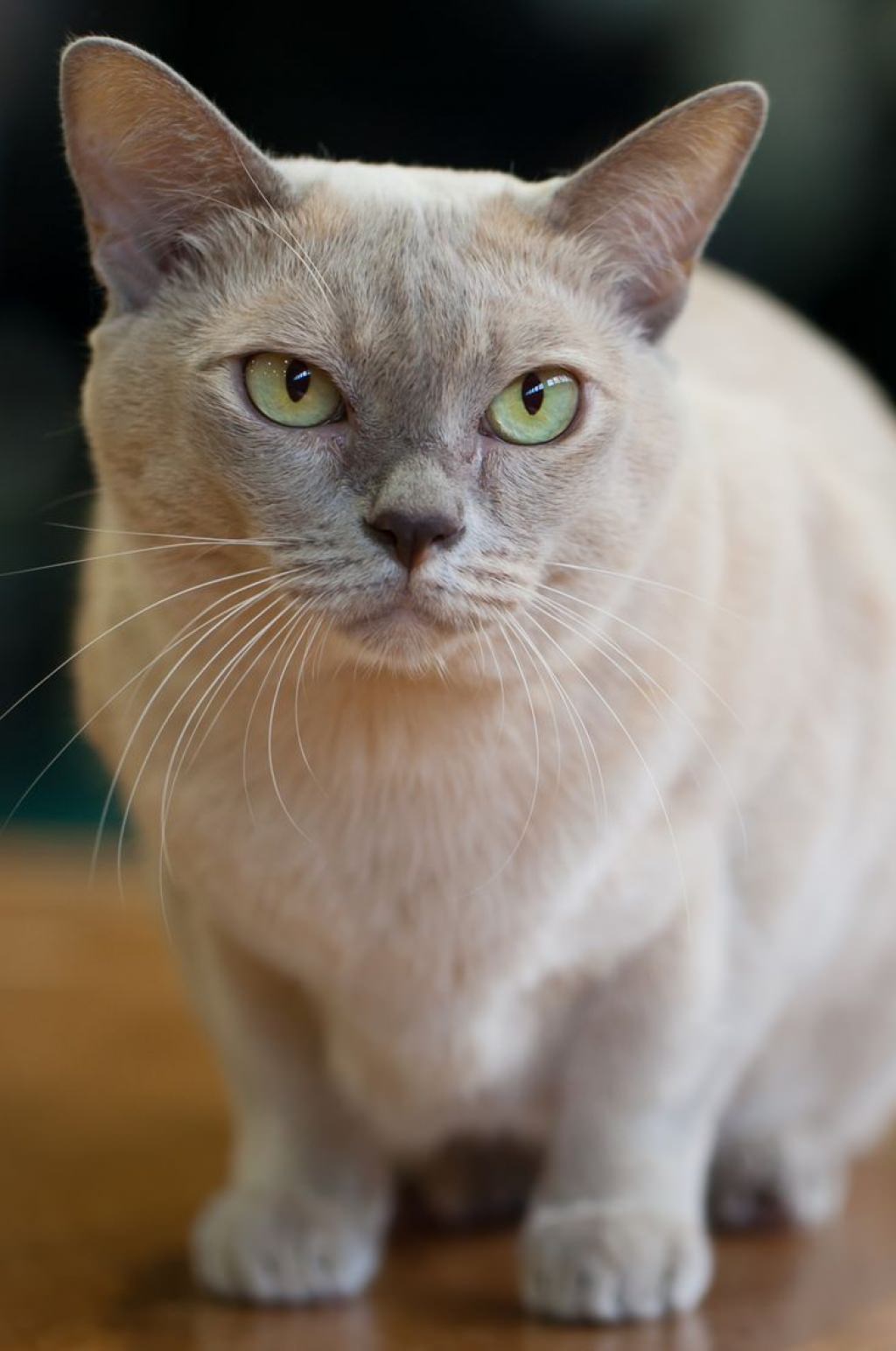
Origin
Myanmar / United States
Lifespan
16–18 years
Weight
3–6 kg
Group
Shorthair
Personality
Colors & Patterns
Sable (Brown) · Champagne · Blue · Platinum
Burmese
About This Breed
The Burmese is a breed of domestic cat originating in Burma, with strong ties to the Siamese. The modern Burmese breed was developed from a small brown cat named Wong Mau, who was brought to America by Dr. Joseph Cheesman Thompson in 1930. Burmese cats are known for their friendly, sociable natures and their love of human company. They are often described as 'dog-like' in their loyalty and enjoy following their humans from room to room.
Characteristics
Scores describe general breed tendencies, not an individual animal. A higher score means more of the named trait or need; it does not always mean better.
Life with a Burmese
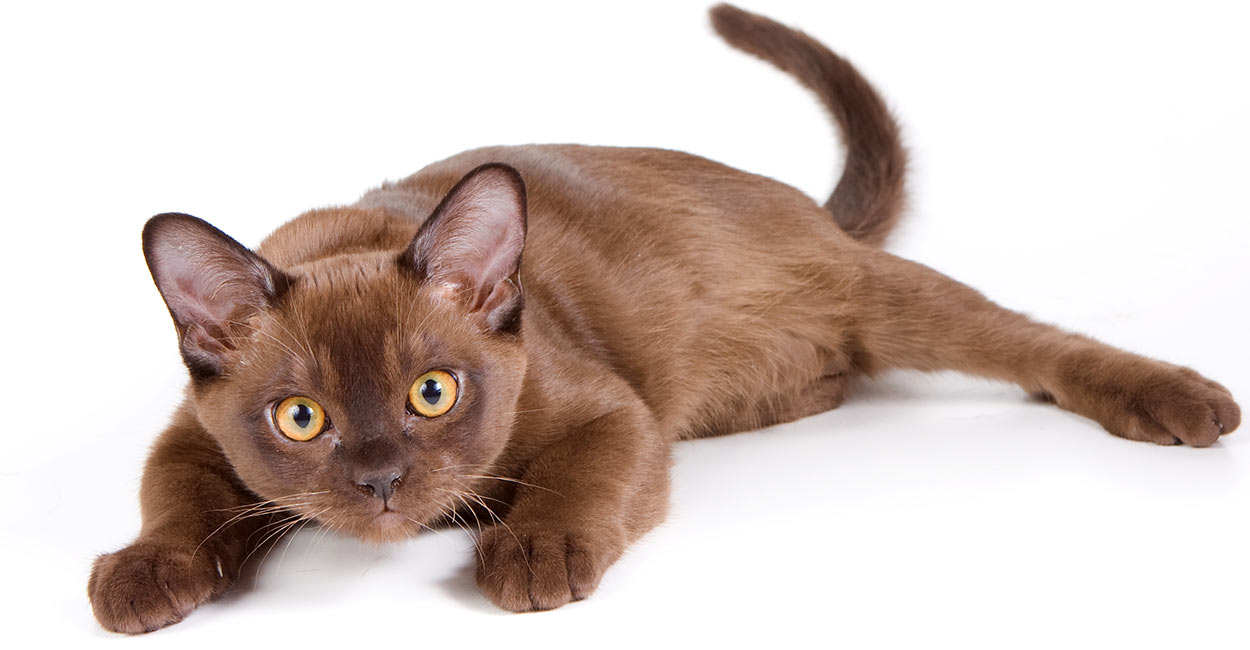
Origin
| Origin | Myanmar / United States |
| Group | Shorthair |
For the breed’s history, see the reference sources and Wikipedia link below.
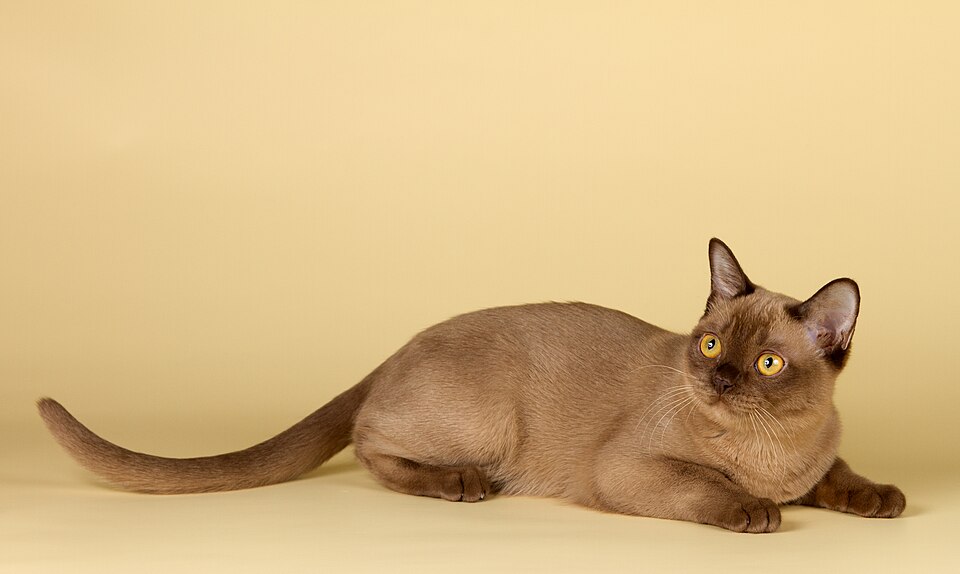
Size and coat
| Weight | 3–6 kg |
| Lifespan | 16–18 years |
| Colors & Patterns | Sable (Brown) · Champagne · Blue · Platinum |
These are approximate adult ranges. Individual animals may be smaller or larger.
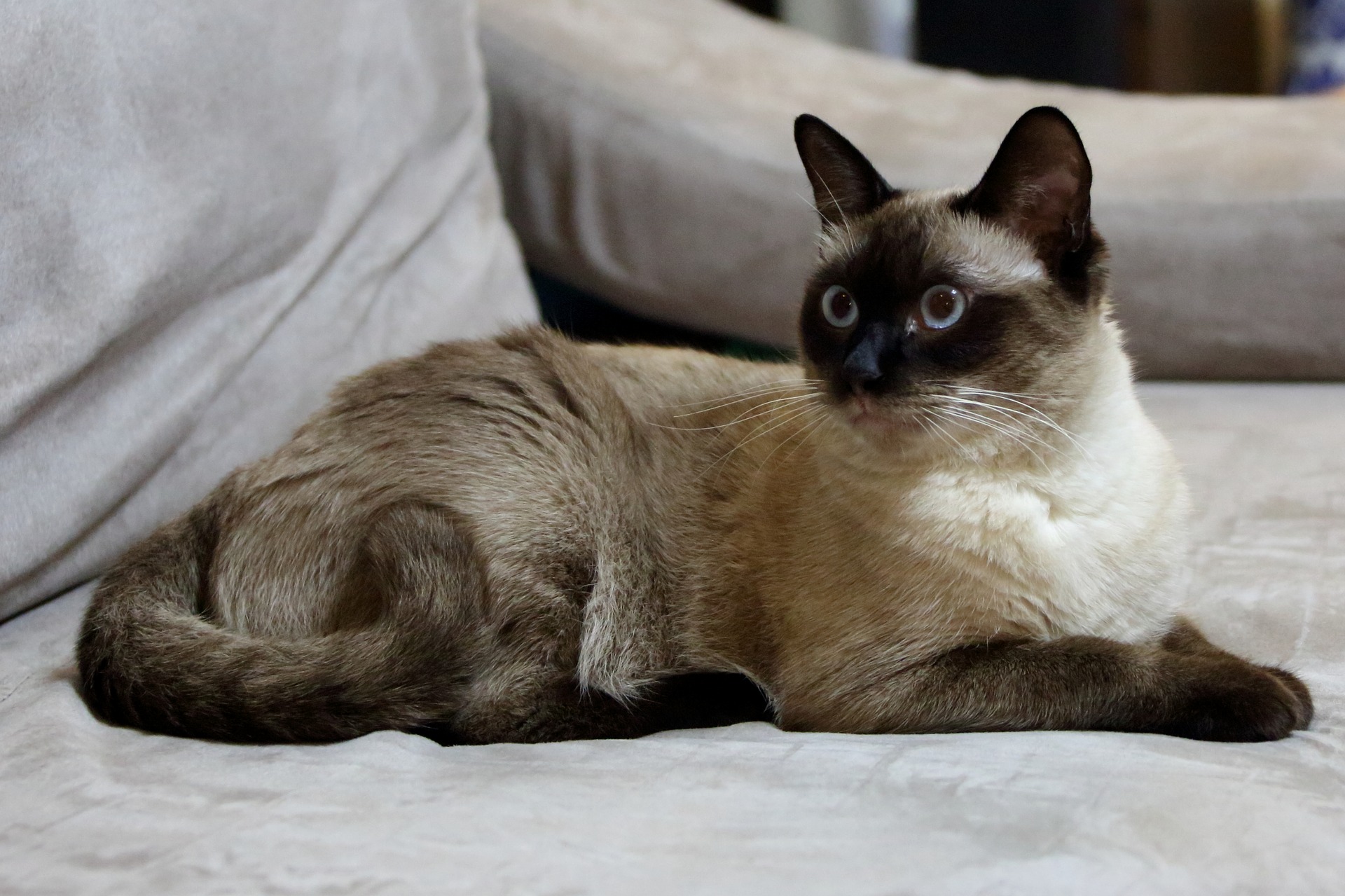
Temperament
| Personality | Social · Playful · Affectionate · Curious · Intelligent |
Usually active. Make time for play, exercise, and activities that keep it interested.
Often seeks company and attention. Allow time together and help it get used to short periods alone.
Coat care
Usually needs relatively little coat care. Brush as needed for its coat and shedding.
Usually sheds relatively little. Low shedding does not mean an animal cannot cause allergies.
Living together
Often adjusts to changes fairly well, though a gradual introduction still helps.
Often gets along with children, but an adult should still supervise their time together.
Often gets along with other pets. Introduce them gradually rather than assuming they will be friends.
Health and lifespan
A lifespan range is not a prediction for an individual animal. Breed scores cannot diagnose illness or replace a veterinary assessment.
Offer places to climb, hide, scratch, and rest. Try different toys to see what your cat enjoys.
More from breed and care sources
Excerpts from the linked sources. Read the original for full details.
About the Breed
Gaze into the glowing golden eyes of a Burmese and two things happen: you will be convinced that the cat has a soul, and you will come to believe it can actually see into yours. Such is the persuasive power of these strong-willed yet sweet-tempered cats, often called “Velcro kitties” because they are so physically possessive of their people. Round, compact, and delightfully soft to touch, these cats do not appear large, but pick one up and you will be amazed at how much muscle and weight is packed into its relatively small frame. No doubt about it, Burmese are larger-than-life cats with a presence that demands your undivided attention.
Breed History
While Burmese occur naturally on the Malay Peninsula, and a few have been imported, most of today’s Burmese trace their origins back to one cat, Wong Mau, brought to America in 1930. A small, compact walnut brown female with darker areas on her head, legs, and tail, Wong Mau was bred to Siamese and produced three distinctly different types of kittens. Some had Siamese markings, some resembled their mother, and some were a solid, dark chocolate brown. The solid brown cats bred true, and CFA began registering these early Burmese in 1936, but it wasn’t until 1959 that the breed achieved championship status. Along the way, dilute colors (blue, chocolate and lilac) occasionally cropped up in Burmese litters. Over time and with much controversy, these colors were accepted and renamed. Burmese are now shown in sable, champagne, platinum and blue.
Character & Temperament
Curious, clever, and friendly, Burmese adore their people and are known for being good with children. They also typically like (or at least tolerate) the family dog. Playful and engaging, they readily learn “fetch” and other games. They thrive on attention, but can amuse themselves when necessary. They do not focus on one special person and bestow affection on everyone within reach. Spirited as kittens, Burmese mellow out in adulthood, but remain playful and active well into old age. Burmese are generally soft-spoken, but if something is amiss, they have no trouble making you aware of it. Extremely people oriented, they will follow you from room to room, seeking out warm laps and gentle strokes of your hand. Come bedtime, they look forward to sleeping on—or even in—your bed if allowed. Most are convinced that it is their job to run the house and you may have a challenge on your hands trying to convince them otherwise.
Physical Appearance
Sometimes compared to a small bulldog, the Burmese is a medium size cat with substantial bone structure, excellent muscle development and a surprising amount of weight for its size. Bright gold eyes, set well apart, look out from a rounded head with a sweet, innocent-looking expression. The muzzle is short and broad, maintaining the rounded contours of the head. The close-lying coat is very short, fine, and glossy, with a satin-like finish. Burmese are considered to be fully grown once they reach 18 months. A mature male’s weight may reach or exceed 12 pounds, but females are usually smaller.
Grooming
When it comes to grooming, Burmese are low-maintenance cats. The sleek, fine-textured coat sheds minimally, but should be brushed with a rubber brush every week to remove dead hair and keep it glossy and shining. Burmese do not require regular bathing, but there’s no doubt that an occasional bath will add to the breed’s natural beauty. If you do plan to bathe your cat, consult your breeder for the right products to use; every coat is slightly different.
Life at home
Burmese are a relatively healthy natural breed and can live very long lives with proper care. In years past, Burmese were known to have an above average number of cases of feline infectious peritonitis (FIP), which has a strong genetic component. Through careful selective breeding, this disease has largely been eliminated and currently occurs no more often in Burmese than in any other breed. Some sources indicate that older cats may have a genetic predisposition to diabetes, but research on the heritability of this condition is not yet conclusive. You may want to ask about any incidence of diabetes in your breeder’s lines, and as your cat ages, be sure to provide regular checkups and monitor its carbohydrate consumption.
Breed Overview
Burmese cats are friendly, intelligent felines who enjoy zooming around the house just as much as cuddling on the couch. They’re also known to play a quality game of fetch, and they prefer not to be left alone for too long. In fact, some say Burmese cats remind them of spunky pups! Dr. Primrose Moss, VetMB, MRCVS, a UK-based small animal veterinarian, agrees. She says that Burmese cats are “extremely loving, people-focused, and dog-like in their behavior.” Burmese cats have short, silky fur that comes in a variety of colors depending on the type of Burmese cat you choose.
Care Guide
Burmese cats are medium-sized, with an average weight of 8–15 pounds. Though both varieties are muscular and relatively solid cats, the American Burmese is slightly stockier than the British Burmese, with a broader head and shorter muzzle. No matter their geographical connection, Moss says both varieties have short, satin-like fur that’s easy to maintain. Burmese cats happily live in either apartments or houses; they only ask to be near their human companions. They’re also known to get along well with children and other pets when introduced properly.