Origin
United Kingdom
Lifespan
10–15 years
Weight
4–7 kg
Group
Shorthair
Personality
Colors & Patterns
Silver · Golden · Blue · Brown · Lilac · Chocolate
Burmilla
About This Breed
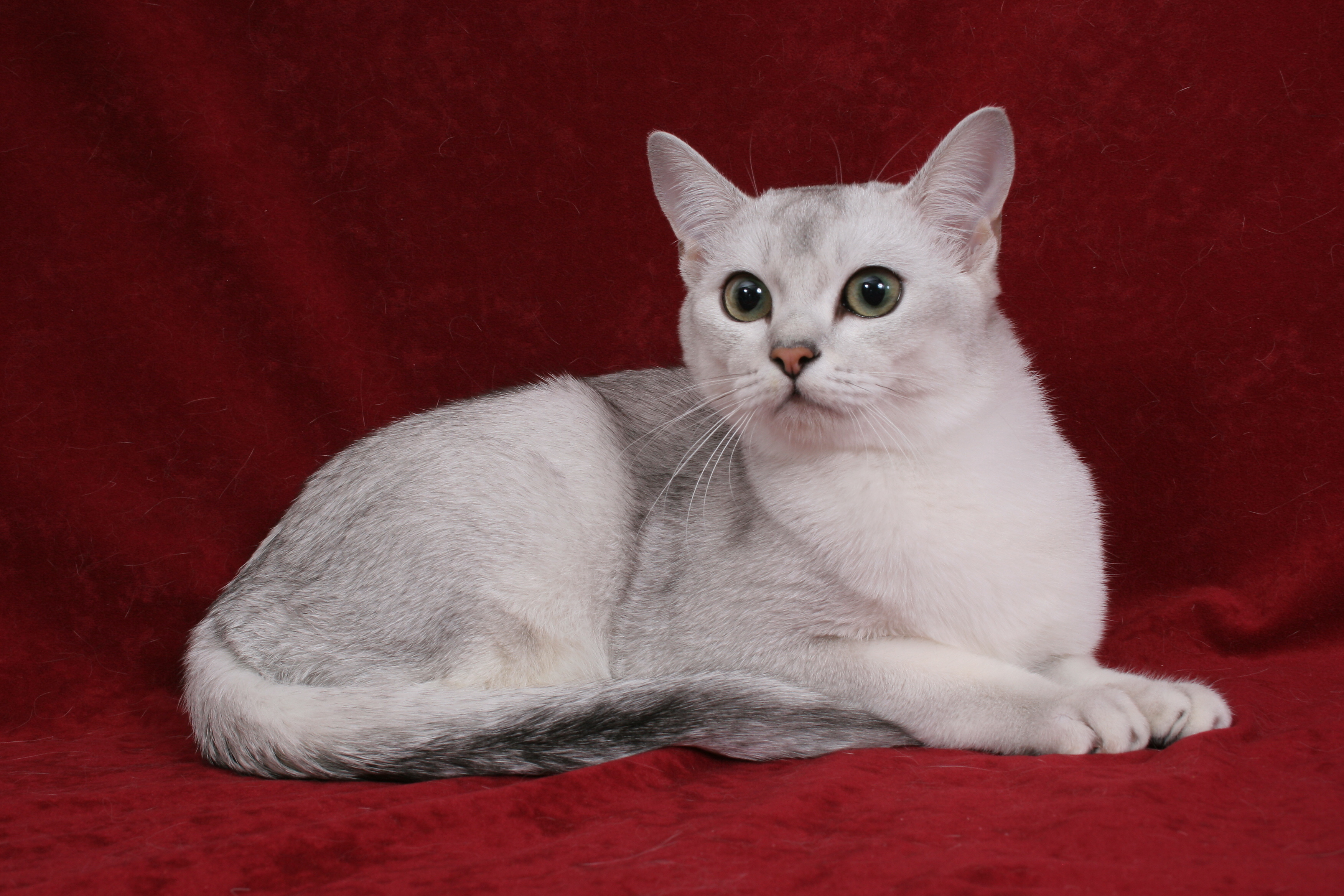
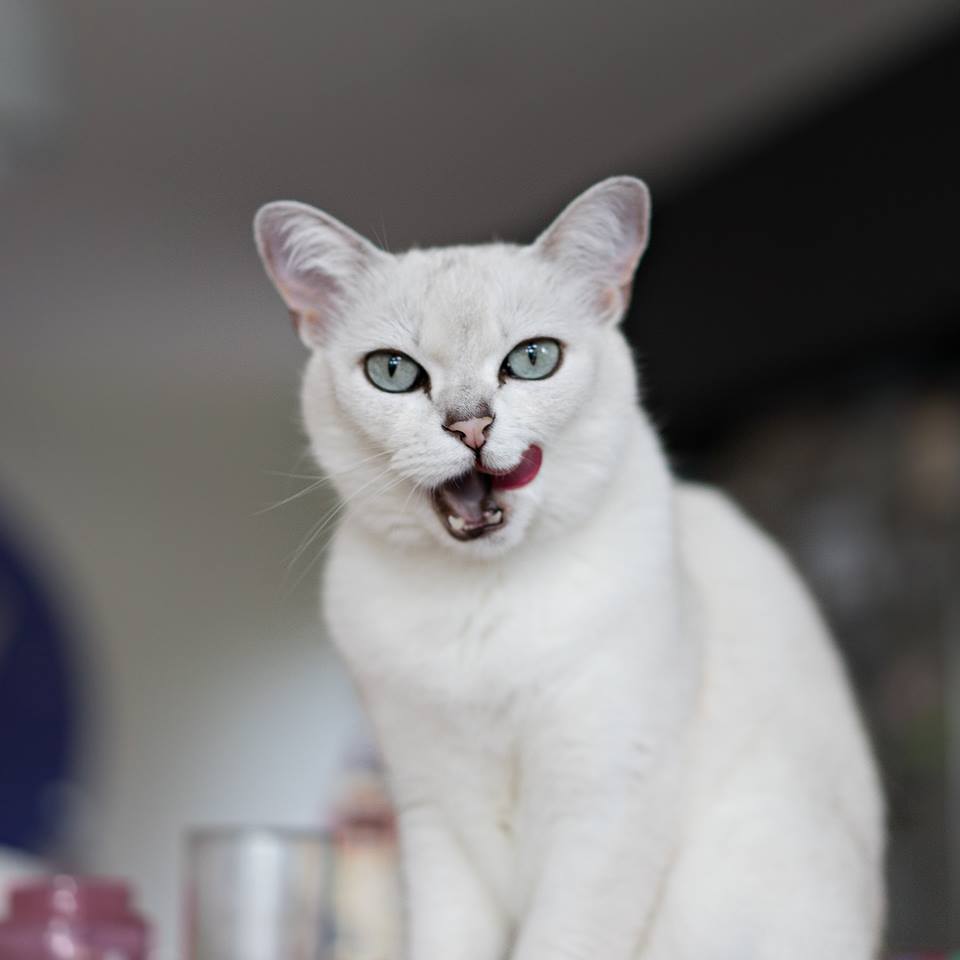
The Burmilla originated in the United Kingdom in 1981 as an accidental cross between a Chinchilla Persian and a Burmese. It has a sparkling silver or golden shaded coat with a distinctive black outline around its features. Burmillas are sociable, active, and slightly mischievous with a playful nature that persists well into adulthood. They tend to be somewhat demanding of attention while remaining easy-going and adaptable.
Characteristics
Scores describe general breed tendencies, not an individual animal. A higher score means more of the named trait or need; it does not always mean better.
Life with a Burmilla
Origin
| Origin | United Kingdom |
| Group | Shorthair |
For the breed’s history, see the reference sources and Wikipedia link below.
Size and coat
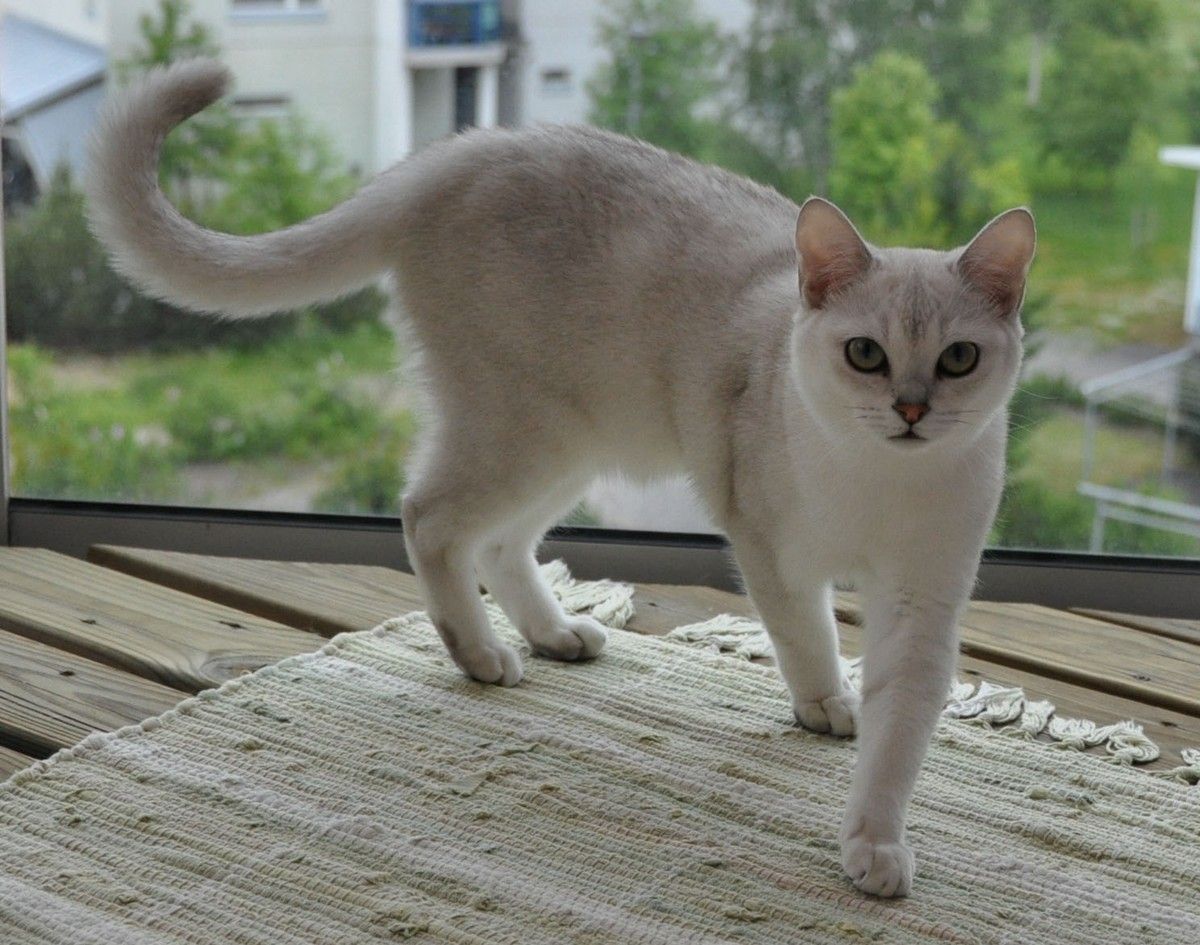
| Weight | 4–7 kg |
| Lifespan | 10–15 years |
| Colors & Patterns | Silver · Golden · Blue · Brown · Lilac · Chocolate |
These are approximate adult ranges. Individual animals may be smaller or larger.
Temperament
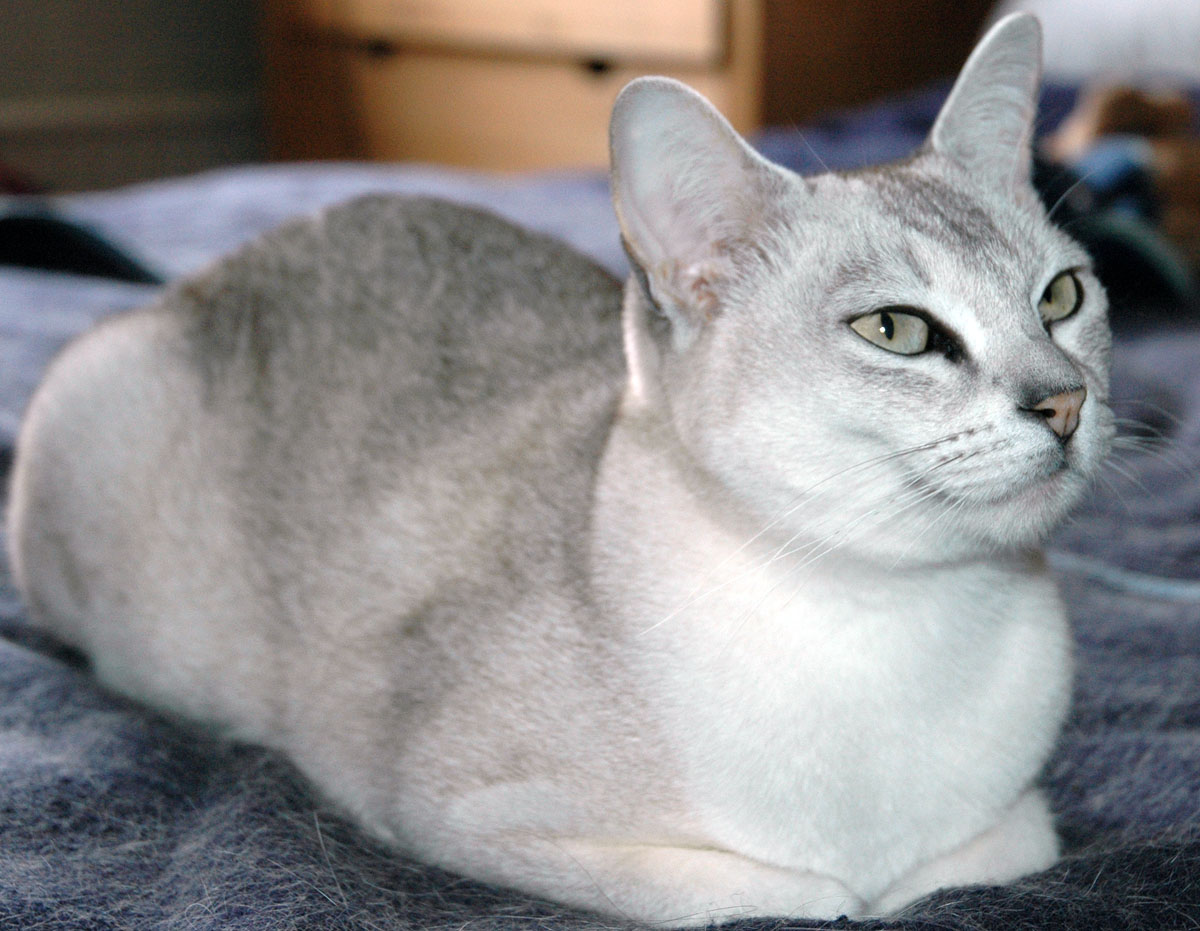
| Personality | Sociable · Playful · Mischievous · Friendly · Easy-going |
Often enjoys a mix of activity and rest.
Often seeks company and attention. Allow time together and help it get used to short periods alone.
Coat care
Regular brushing helps remove loose hair and prevent tangles.
Some shedding is expected, and it may change with the season.
Living together
Often adjusts to changes fairly well, though a gradual introduction still helps.
Often gets along with children, but an adult should still supervise their time together.
Often gets along with other pets. Introduce them gradually rather than assuming they will be friends.
Health and lifespan
A lifespan range is not a prediction for an individual animal. Breed scores cannot diagnose illness or replace a veterinary assessment.
Offer places to climb, hide, scratch, and rest. Try different toys to see what your cat enjoys.
More from breed and care sources
Excerpts from the linked sources. Read the original for full details.
About the Breed
One of the cat fancy’s newer breeds, the stunning Burmilla is a hybrid that owes its spectacular shaded silver coat to Chinchilla Persian ancestors while drawing its intelligence and sociable nature from the other side of its family, the European Burmese. Friendly and inquisitive, Burmillas have easy-going, laid-back personalities combined with a great love of play that enables them to maintain a kitten-like quality throughout their lives.
Breed History
The Burmilla’s origin dates back to an accidental breeding that took place in 1981. Baroness Miranda Von Kirchberg had purchased a Chinchilla Persian male as a pet for her husband, but shortly before the Persian was neutered, he had an encounter with a precocious lilac European Burmese female. The result was a litter of four shorthaired female kittens, all black shaded silver. The kittens were so beautiful that the Baroness decided to embark on a breeding program in order to develop a new agouti cat with a striking contrast between the colored tipping/shading and the white base. Because of the Persian ancestry, both longhair and shorthair Burmillas were produced, but the longhair variety is a semi-longhair with an easy-care single coat. Both were accepted for CFA registration in 2011 and advanced to championship status in 2014.
Character & Temperament
The temperament of the Burmilla is a mix of the outgoing and mischievous nature of the European Burmese and the mellow placidity of the Chinchilla Persian, giving it a unique and utterly charming personality that is not extreme in any way. Burmillas should be provided with lots of environmental enrichment (i.e. toys, things to climb, perches) as they are an intelligent breed and thrive when they can play and climb. Though they’re quite gregarious, they do enjoy some independence and can be left alone during your work day. Energetic but not hyperactive, the Burmilla is quite content to lounge on the couch for long naps after regular bursts of spirited play. Impish and lively, but also quiet and gentle, this sweet-natured cat is people oriented and loving without being needy. Burmillas are not typically vocal or overly demanding. This breed is able to get along with dogs, other cats, and children. Even complete strangers will be quickly welcomed into a Burmilla’s “inner circle.”
Physical Appearance
Physically, this is a medium-sized cat with a muscular yet elegant body. The head is sculptured in appearance, where the rounded top head, nose profile, medium broad muzzle and well-developed chin set the balance. The eyes are luminescent and can be any shade of green. The breed’s most distinguishing feature is its silky, sparkling coat, pale at the roots and tipped with color for a shimmering effect. Distinctive “make up” lines accent the nose, lips and eyes. While it is not unusual for a mature male’s weight to reach or exceed 10 pounds, females are usually smaller.
Grooming
Grooming is relatively simple, whether the coat is long or short. Like essentially all cats, the Burmilla does shed, so should be groomed at least once a week with a stainless-steel comb or small slicker brush. They also need regular nail trims, ear cleanings, and dental care. Most Burmilla do not require regular bathing, but there’s no doubt that an occasional bath will add to the breed’s natural beauty. If you do plan to bathe your cat, consult your breeder for the right products to use; every coat is slightly different.
Life at home
While typically healthy, Burmillas may be subject to some health issues found in their parent breeds. However, responsible breeders have breeding cats tested to prevent transmission of genetic diseases. The genetic screening has been instrumental in helping to minimize heritable health issues. Additionally, responsible breeders are aware of the small gene pool for Burmillas and continuously incorporate non-related cats to their breeding programs. This is done with a combination of creating new lines, outcrosses, and importing cats from other countries.