Origin
United States
Lifespan
12–16 years
Weight
3–5 kg
Group
Semi-Longhair
Personality
Colors & Patterns
Chocolate · Blue · Cinnamon · Lilac · Fawn
Chantilly-Tiffany
About This Breed
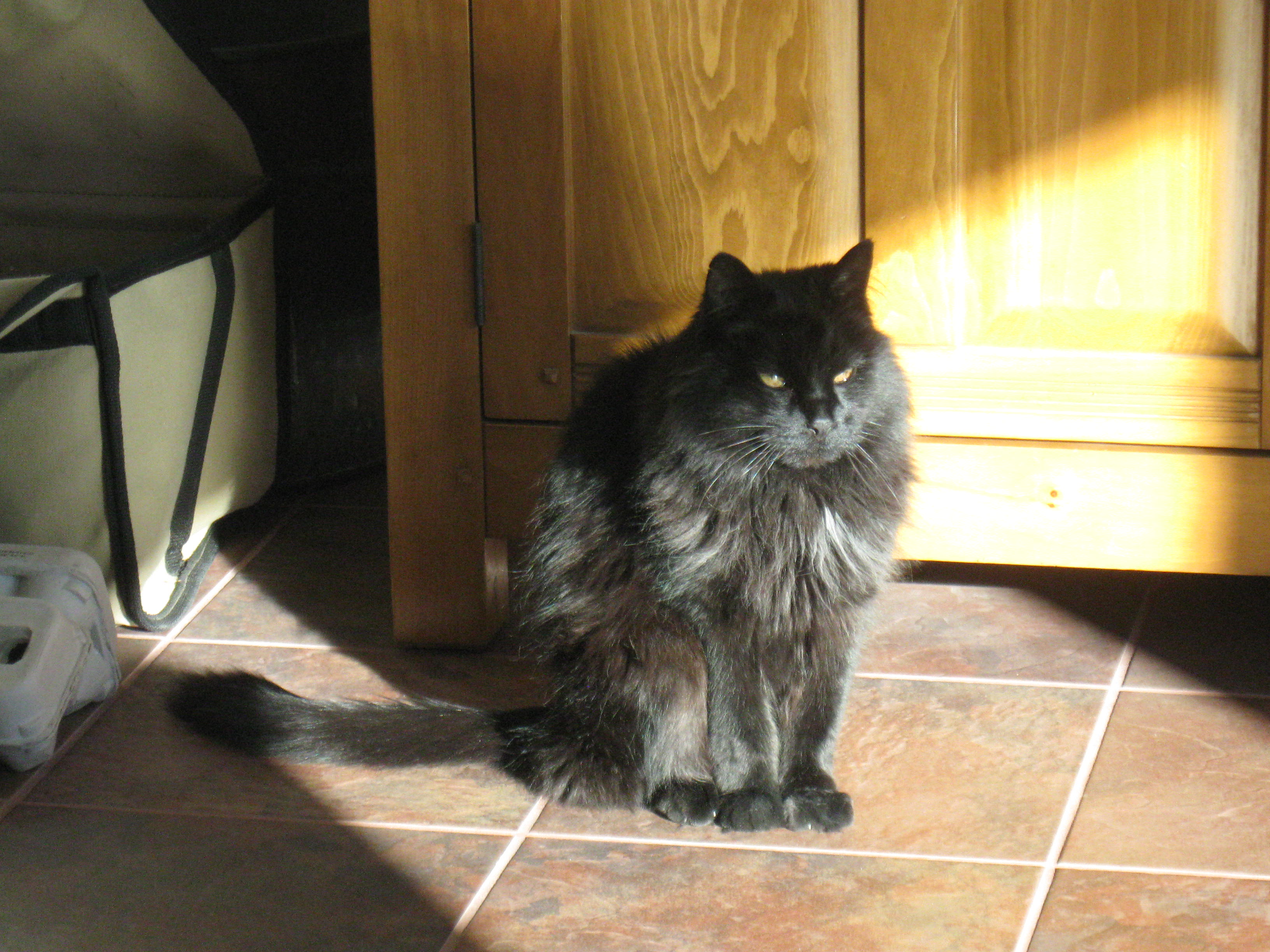
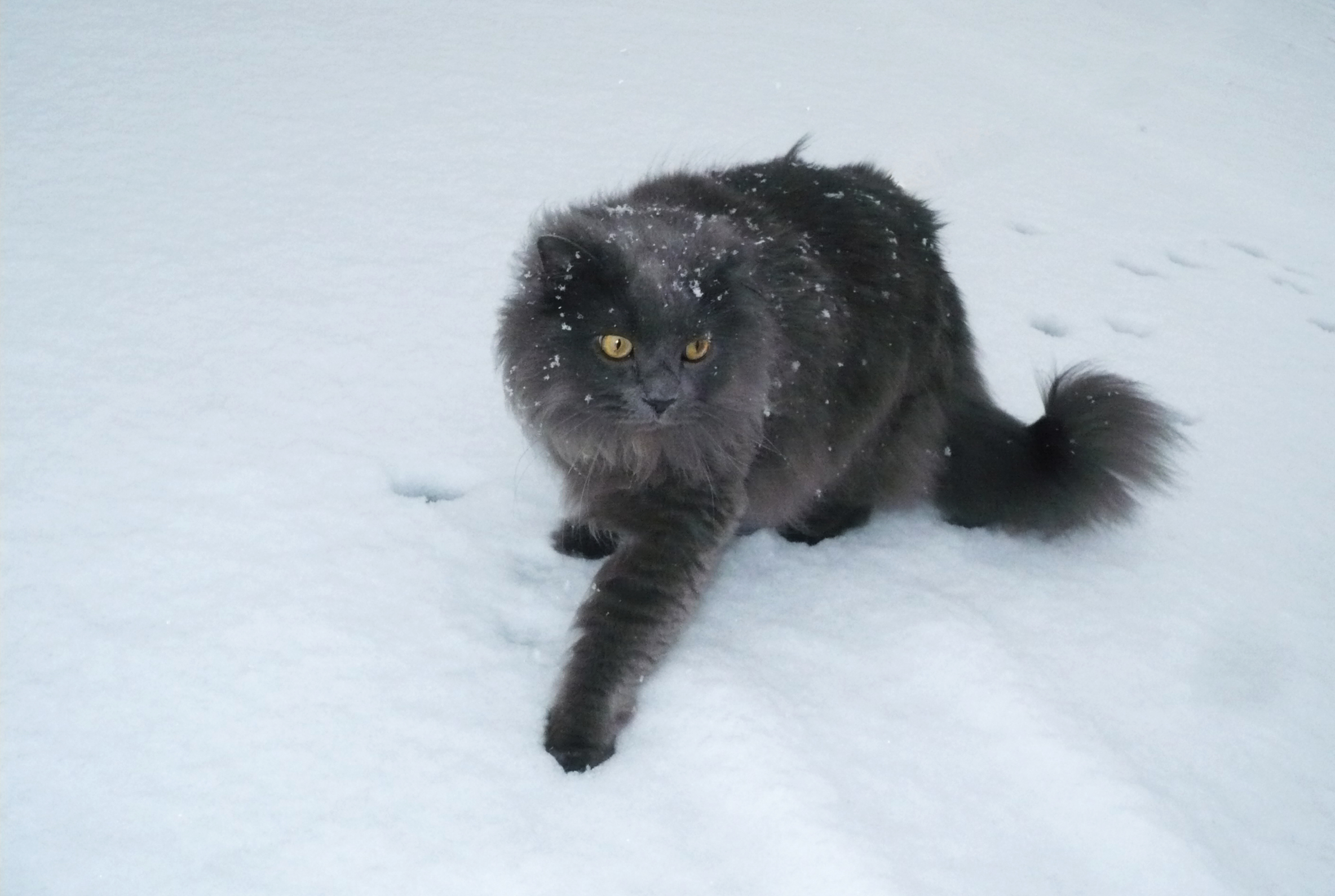
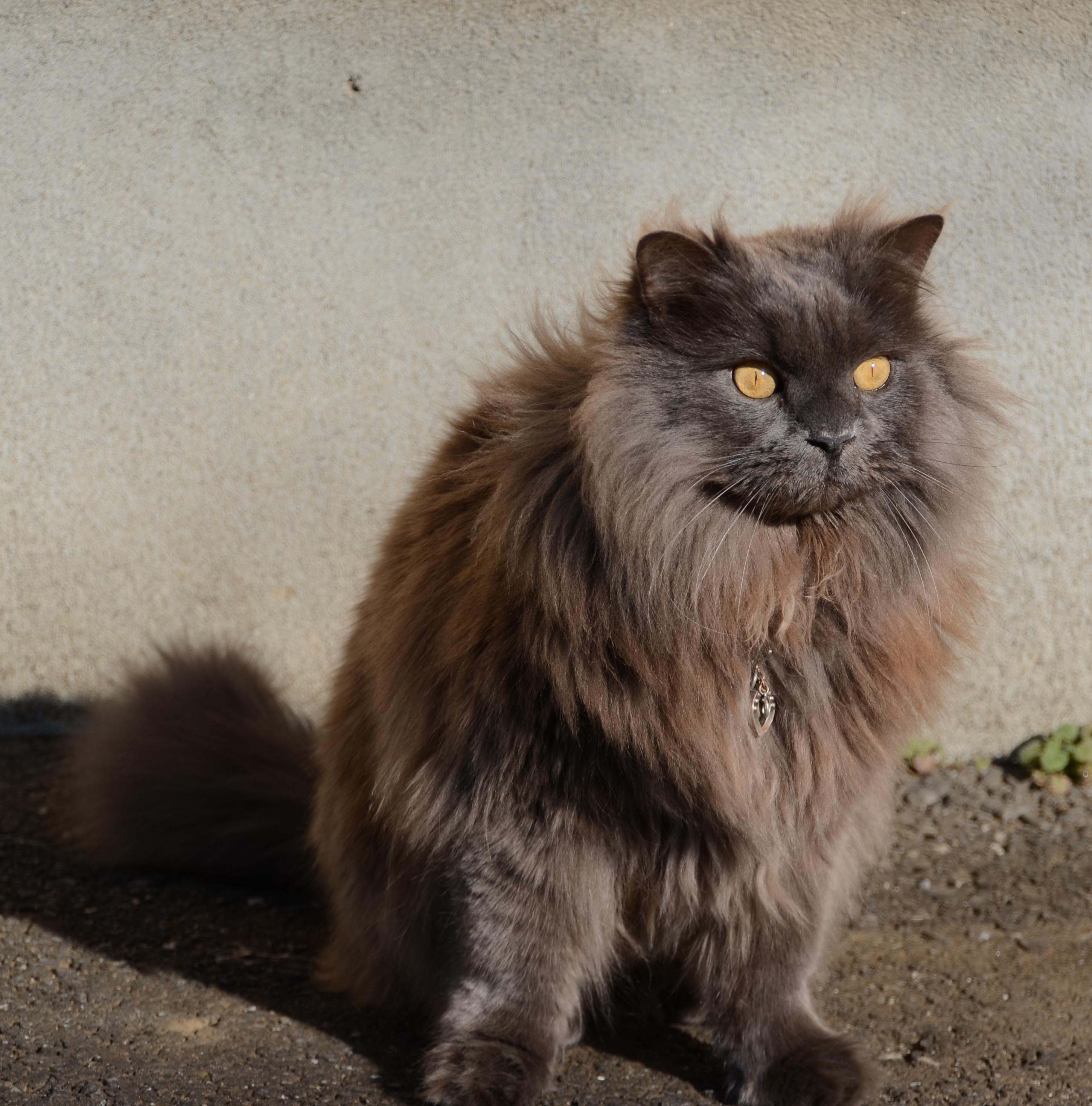
The Chantilly-Tiffany is a semi-longhaired breed that originated in the United States in the late 1960s. Originally thought to be a longhaired Burmese, this breed has silky, flowing fur with no undercoat, making grooming relatively easy. The most iconic coat color is rich chocolate brown, though other colors have been developed. Chantilly-Tiffanys are devoted companions that often bond strongly with one particular person, following them around and conversing in soft, chirping voices.
Characteristics
Scores describe general breed tendencies, not an individual animal. A higher score means more of the named trait or need; it does not always mean better.
Life with a Chantilly-Tiffany
Origin
| Origin | United States |
| Group | Semi-Longhair |
For the breed’s history, see the reference sources and Wikipedia link below.
Size and coat
| Weight | 3–5 kg |
| Lifespan | 12–16 years |
| Colors & Patterns | Chocolate · Blue · Cinnamon · Lilac · Fawn |
These are approximate adult ranges. Individual animals may be smaller or larger.
Temperament
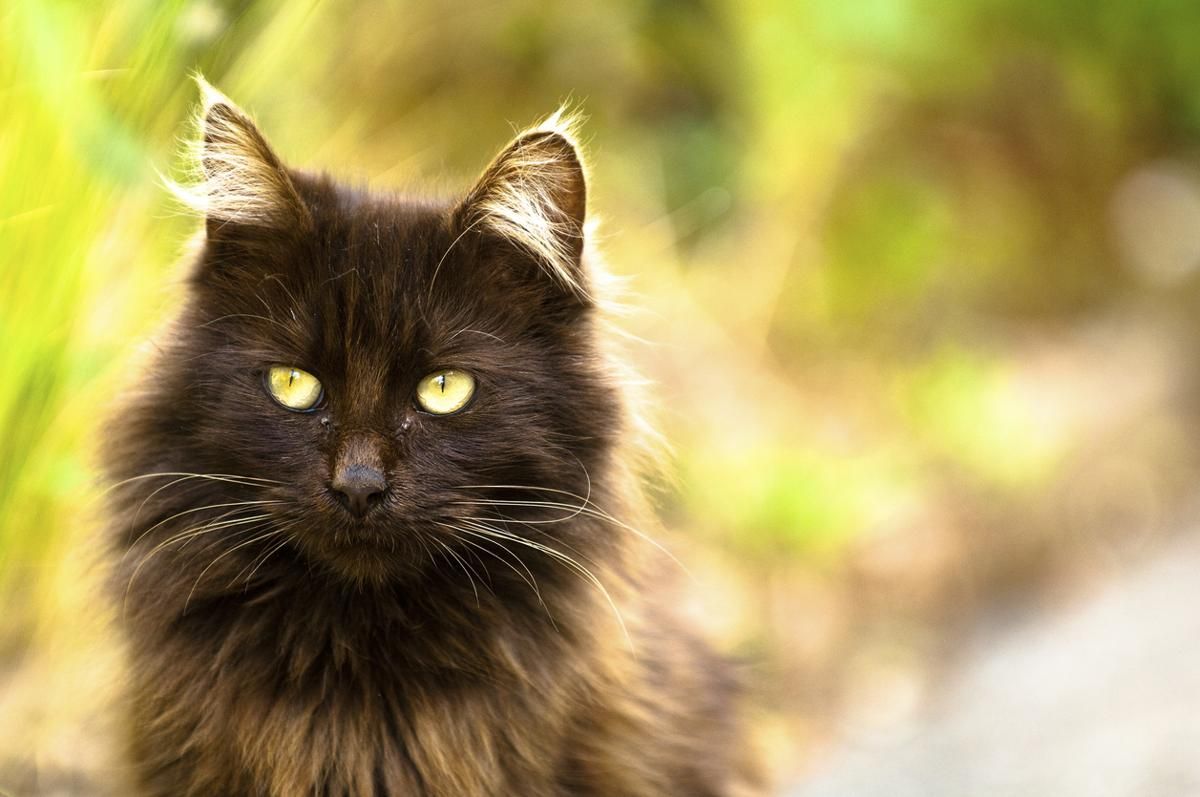
| Personality | Affectionate · Devoted · Gentle · Loyal · Sweet |
Often enjoys a mix of activity and rest.
Often seeks company and attention. Allow time together and help it get used to short periods alone.
Coat care
Regular brushing helps remove loose hair and prevent tangles.
Usually sheds relatively little. Low shedding does not mean an animal cannot cause allergies.
Living together
A familiar routine can help it settle in.
Teach children to handle it gently and leave it alone when it rests.
Introduce other pets gradually and watch how each animal responds.
Health and lifespan
A lifespan range is not a prediction for an individual animal. Breed scores cannot diagnose illness or replace a veterinary assessment.
Offer places to climb, hide, scratch, and rest. Try different toys to see what your cat enjoys.