Origin
United States
Lifespan
12–16 years
Weight
3–5 kg
Group
Shorthair
Personality
Colors & Patterns
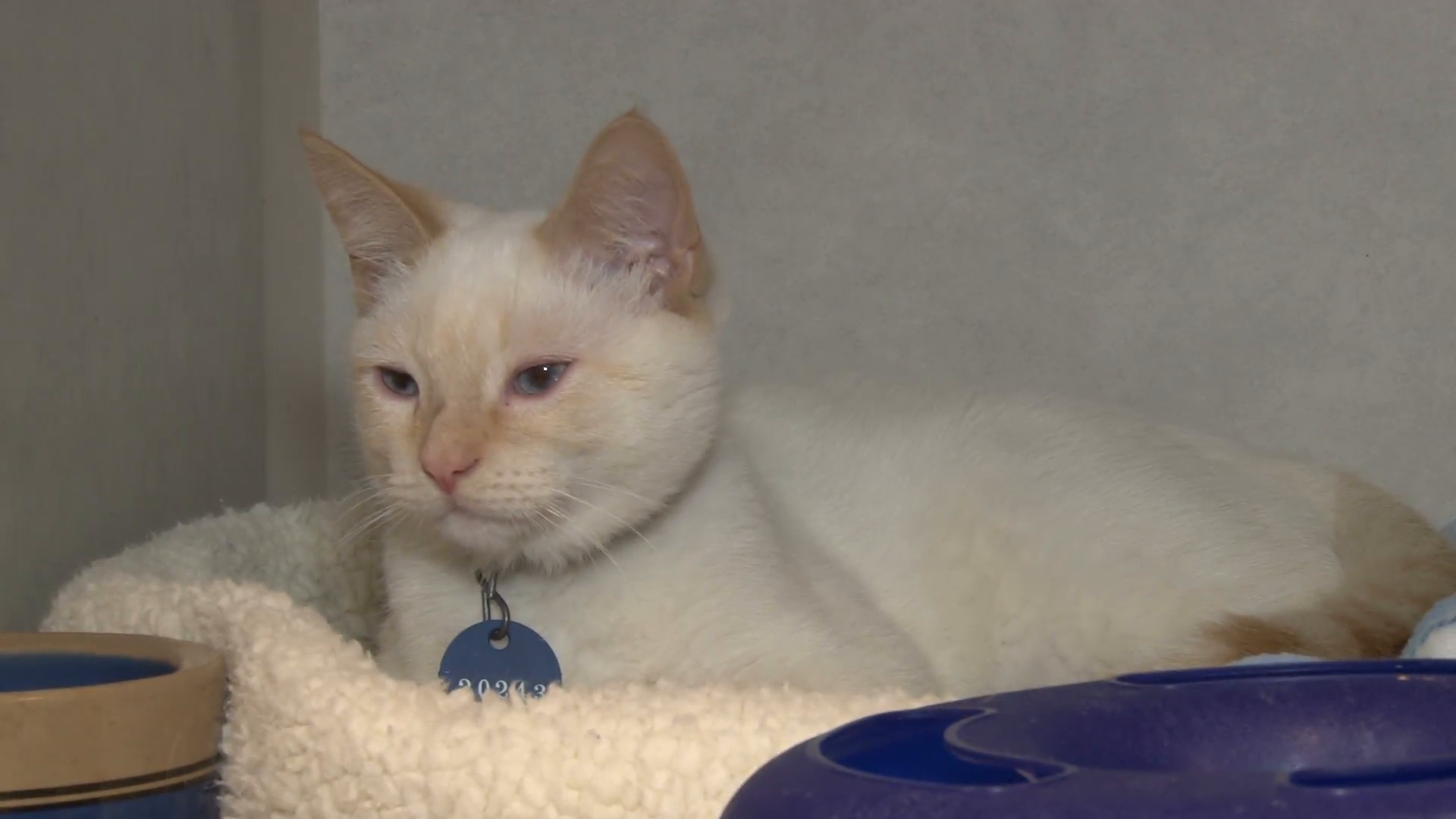
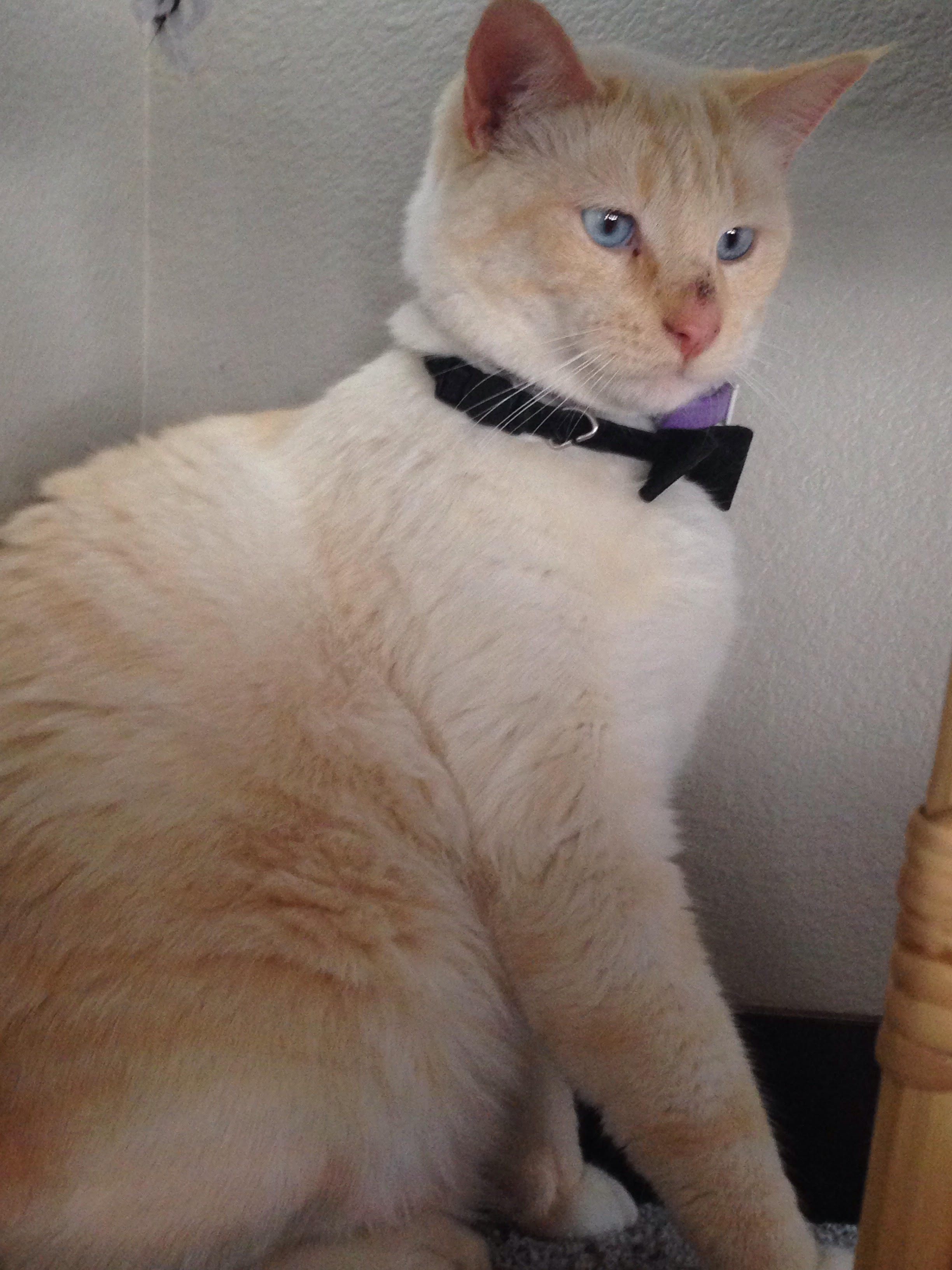
Red Point · Cream Point · Lynx Point · Tortie Point
Colorpoint Shorthair
About This Breed
The Colorpoint Shorthair is recognized by the Cat Fanciers Association as distinct from the Siamese, sharing the same svelte body type and vocal nature but carrying non-traditional point colors like red, cream, lynx, and tortie patterns. They are the result of crossing Siamese with American Shorthairs and red tabbies. Colorpoint Shorthairs are extremely sociable, talkative, and demand considerable attention from their owners.
Characteristics
Scores describe general breed tendencies, not an individual animal. A higher score means more of the named trait or need; it does not always mean better.
Life with a Colorpoint Shorthair
Origin
| Origin | United States |
| Group | Shorthair |
For the breed’s history, see the reference sources and Wikipedia link below.
Size and coat
| Weight | 3–5 kg |
| Lifespan | 12–16 years |
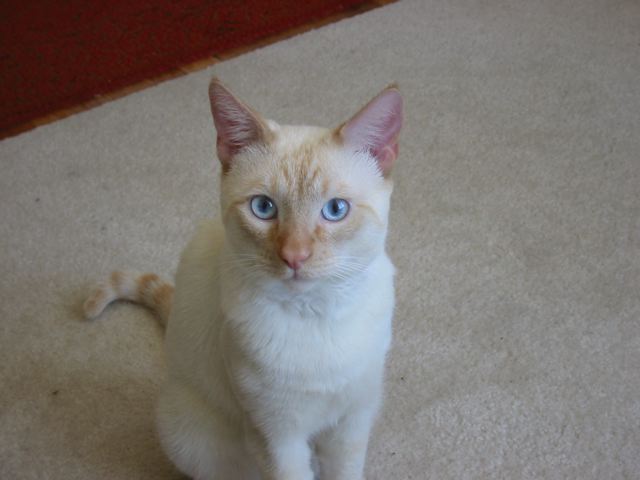
| Colors & Patterns | Red Point · Cream Point · Lynx Point · Tortie Point |
These are approximate adult ranges. Individual animals may be smaller or larger.
Temperament
| Personality | Extroverted · Sociable · Loving · Demanding · Intelligent |
Usually active. Make time for play, exercise, and activities that keep it interested.
Often seeks company and attention. Allow time together and help it get used to short periods alone.
Coat care
Usually needs relatively little coat care. Brush as needed for its coat and shedding.
Usually sheds relatively little. Low shedding does not mean an animal cannot cause allergies.
Living together
Often adjusts to changes fairly well, though a gradual introduction still helps.
Often gets along with children, but an adult should still supervise their time together.
Introduce other pets gradually and watch how each animal responds.
Health and lifespan
A lifespan range is not a prediction for an individual animal. Breed scores cannot diagnose illness or replace a veterinary assessment.
Offer places to climb, hide, scratch, and rest. Try different toys to see what your cat enjoys.
More from breed and care sources
Excerpts from the linked sources. Read the original for full details.
About the Breed
What’s the next step for a breed that is already considered the peak of purr-fection? How about dressing it up in a different color? With the Siamese at the height of its popularity in the mid-1950s, a few adventurous breeders decided to do just that—by mixing in the red gene with the four traditional Siamese colors (seal, chocolate, blue and lilac point). A few generations later, a new breed was born! Structurally identical to the Siamese, the Colorpoint Shorthair is available today in a lively palette of 16 different colors and color combinations, all offering the same endearing personality traits that characterize the Siamese.
Breed History
Red-point, cream-point and tortie-point Colorpoint Shorthairs were the first to spice up the show ring, and were accepted for CFA registration in the late 1950s. However, they did not achieve championship status until 1964. Meanwhile, breeders in England were adding new colors as well and the English “tabby points” crossed the Atlantic and were renamed “lynx points.” Colorpoint Shorthairs are now judged in three color classes: solid point (red and cream), lynx point (red, cream, seal, chocolate, blue and lilac with tabby markings, plus their particolor versions) and particolors (seal-tortie, chocolate-tortie, blue-cream and lilac-cream). For the first 30 years of the breed’s history, traditional Siamese far exceeded them in popularity but more recently, Colorpoint numbers have been growing and a number of CFA’s top Siamese catteries now work with the breed.
Character & Temperament
Colorpoints share the extraordinary ability of Siamese when it comes to communication with humans, as well as an exceptional level of intelligence. It is a rare Colorpoint Shorthair owner who is not constantly made aware of their cat’s current desires. . . unless, of course, the cat wants to sleep! Athletic, agile and inventive, Colorpoints will take pleasure in any toy you decide to offer them, but don’t be surprised if they take even greater pleasure in a crumpled-up ball of paper or some other toy of their own devising! You should expect your Colorpoint to demand both attention and devotion, which it will give back many times over. Like Siamese, they want to be with you, on you, or actively involved in whatever you might be doing; expect loud protests should you need some time and space to yourself! Many Colorpoints develop close friendships with dogs and other pets but seem to be fondest of cats and will curl up together with them into an almost unrecognizable pile.
Physical Appearance
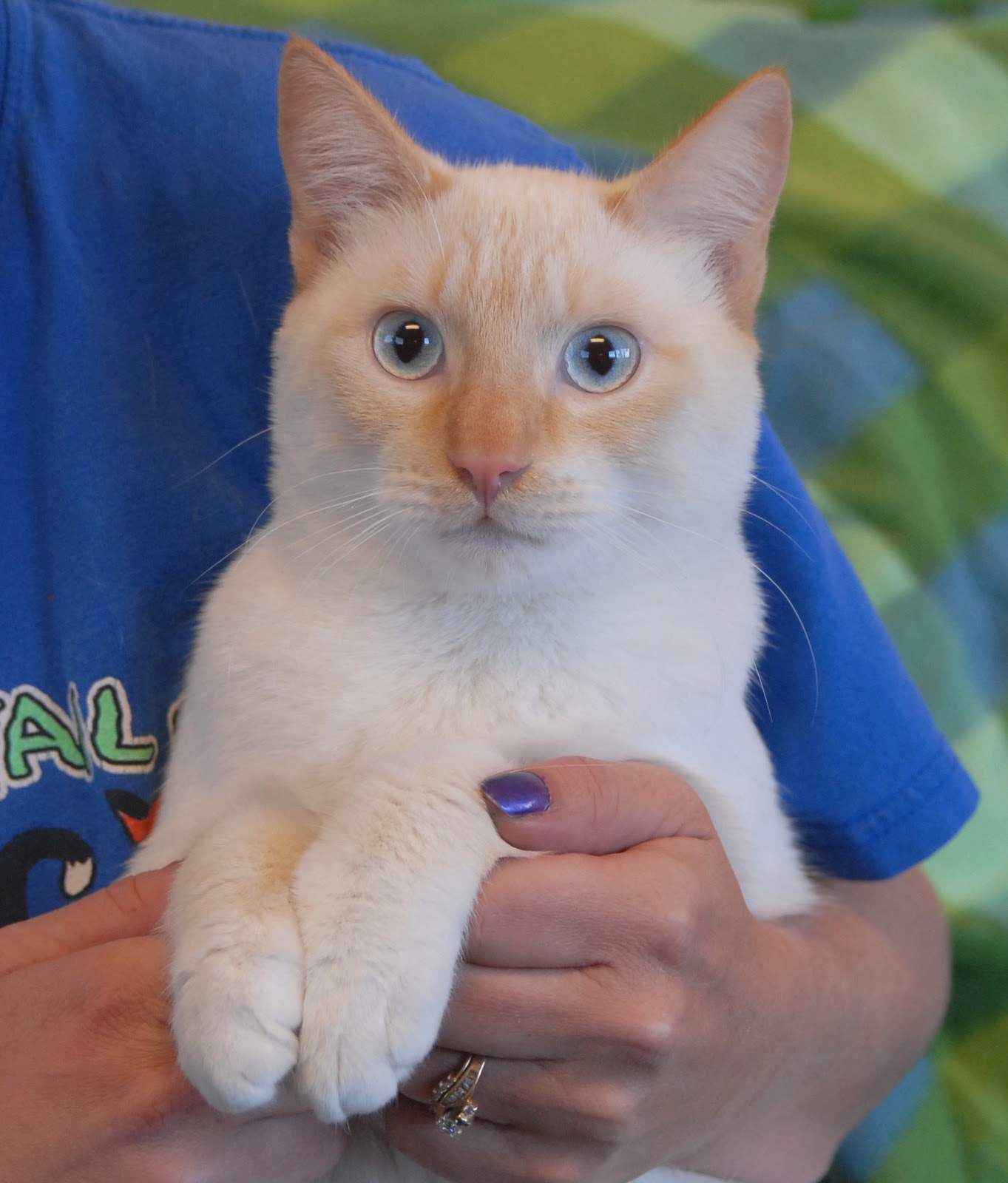
This fine-boned, long-limbed cat defines the word “svelte,” with its long, flat profile, long neck, long muscular body, whippy tail and long legs, all covered in a short, close-lying coat. The wedge-shaped head forms a triangle that is completed by large, broad-based ears and accented by dazzling blue almond-shaped eyes. Some of the lynx-pointed cats appear to have eyeliner because the tabby markings make the eyes look even larger and more expressive. As with Siamese, the point color is temperature-sensitive and found on the cooler portions of the body while the warmer torso is substantially lighter. It may, however, become darker with age or if the cat is not living in a comfortably warm environment.
Grooming
The short, silky hair of a Colorpoint Shorthair needs only minimal grooming to control shedding. Some breeders recommend a rubber brush to remove hair while others prefer the Siamese trick of hand grooming the cat, stroking it vigorously with a wet pair of hands. By the time your hands are dry, you will have removed a fair amount of dead hair and should have a happily purring cat. Unless you plan to show your Colorpoint, bathing should not be necessary.
Life at home
Although Colorpoint Shorthairs are generally healthy, they can be predisposed to certain health conditions. Some are minor, such as crossed eyes or tail kinks, others require genetic or physical testing to assess. Fortunately, most breeders now practice genetic screening to remove carrier cats from their breeding programs and strengthen the breed’s gene pool for the future. Breeders also typically recommend purchasing a pet insurance policy; CFA now offers a free 30-day trial policy with kitten registration.