Origin
Sweden
Lifespan
15–22 years
Weight
4–7 kg
Group
Shorthair
Personality
Colors & Patterns
Tabby · Solid · Bicolor · Tortoiseshell
European Shorthair
About This Breed
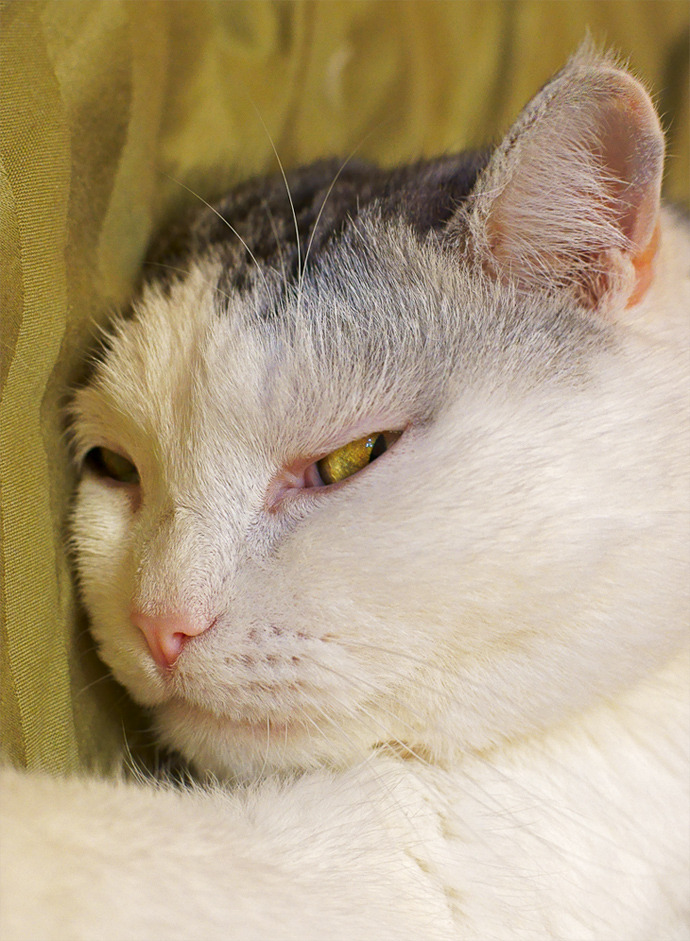
The European Shorthair, also called the Celtic Shorthair, is a natural breed developed from the domestic cats of ancient Roman times that spread across Europe. Recognized as a formal breed in Sweden, each individual has a distinct personality but they are typically active, playful, and skilled hunters. They have a sturdy, muscular build with a short, dense coat, and are highly adaptable to various lifestyles.
Characteristics
Scores describe general breed tendencies, not an individual animal. A higher score means more of the named trait or need; it does not always mean better.
Life with a European Shorthair
Origin
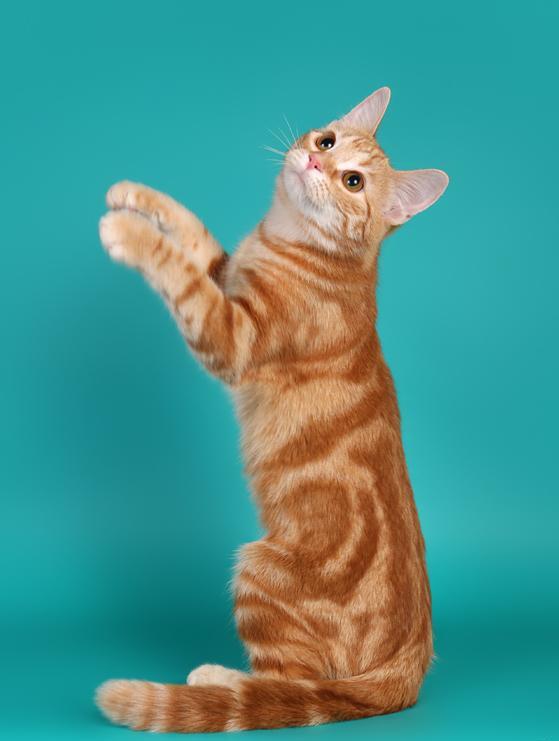
| Origin | Sweden |
| Group | Shorthair |
For the breed’s history, see the reference sources and Wikipedia link below.
Size and coat
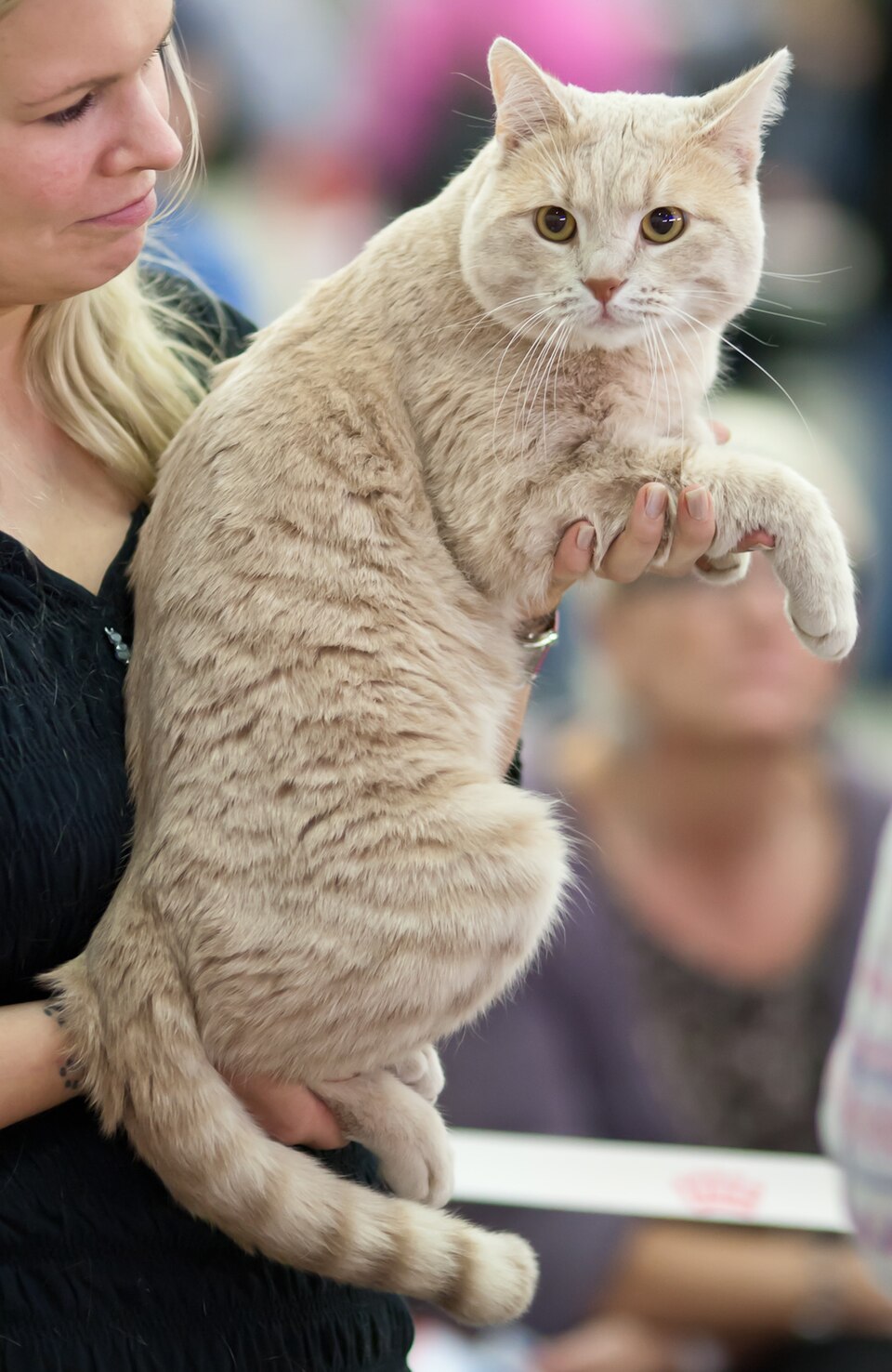
| Weight | 4–7 kg |
| Lifespan | 15–22 years |
| Colors & Patterns | Tabby · Solid · Bicolor · Tortoiseshell |
These are approximate adult ranges. Individual animals may be smaller or larger.
Temperament
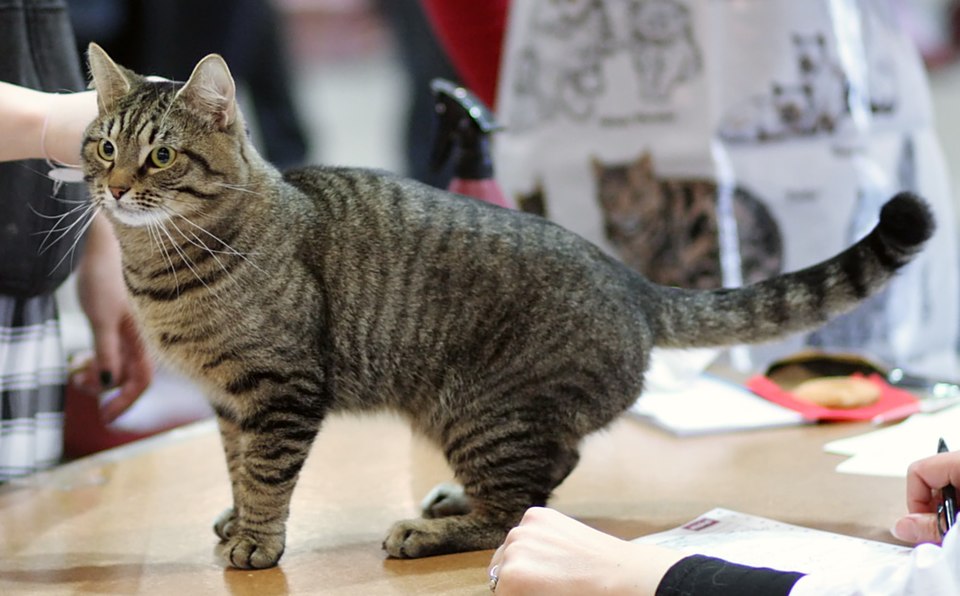
| Personality | Active · Playful · Intelligent · Friendly · Adaptable |
Usually active. Make time for play, exercise, and activities that keep it interested.
Often enjoys company while also spending time on its own.
Coat care
Usually needs relatively little coat care. Brush as needed for its coat and shedding.
Some shedding is expected, and it may change with the season.
Living together
Often adjusts to changes fairly well, though a gradual introduction still helps.
Often gets along with children, but an adult should still supervise their time together.
Introduce other pets gradually and watch how each animal responds.
Health and lifespan
A lifespan range is not a prediction for an individual animal. Breed scores cannot diagnose illness or replace a veterinary assessment.
Offer places to climb, hide, scratch, and rest. Try different toys to see what your cat enjoys.
More from breed and care sources
Excerpts from the linked sources. Read the original for full details.
Breed Overview
The European Shorthair is one of Europe's oldest cat breeds, descending from the continent's early mouse hunters. While not widely bred in their European homeland, they're even more elusive in the U.S. European Shorthairs are medium-sized, typically weighing 12–15 pounds and standing 9–11 inches tall at the shoulder. Caring for a European Shorthair The European Shorthair is also known as the Celtic Shorthair, according to the World Cat Federation. Yet this feline isn't recognized as a breed under either name by cat associations in the United States.
Care Guide
The European Shorthair is also known as the Celtic Shorthair, according to the World Cat Federation. Yet this feline isn't recognized as a breed under either name by cat associations in the United States. “In The International Cat Association (TICA), the European Shorthair is recognized as a registration-only breed,” says Gloria Mares, general assistant at TICA. This classification is typically reserved for new breeds still under development. If you're lucky enough to meet a European Shorthair, they embody all of the best qualities of the domestic cat, according to the Fédération Internationale Féline. Friendly toward people of all ages, playful, and with a knack for keeping their turf rodent-free, European Shorthairs make ideal companions for first-time cat parents.