Origin
United States
Lifespan
10–15 years
Weight
3–5 kg
Group
Rex / Curly
Personality
Colors & Patterns
Various Colors and Patterns
LaPerm
About This Breed
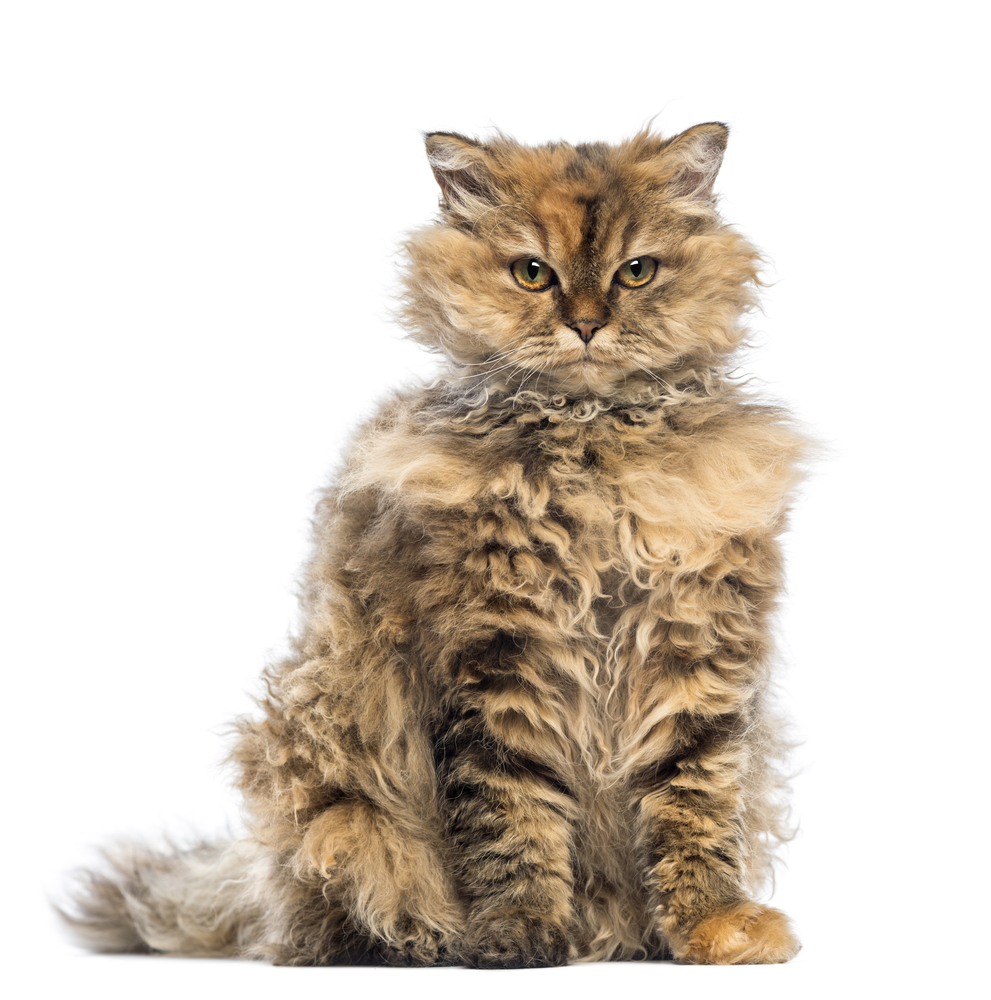
The LaPerm is a rex breed that originated in the United States. The first LaPerm was born in 1982 on a farm in The Dalles, Oregon. LaPerm cats are characterised by their curly, wavy, or kinked coat. The curly coat is the result of a dominant gene mutation. LaPerm cats are known for being very affectionate and loving, often seeking human contact. They have a gentle, inquisitive nature and tend to follow their owners around the house.
Characteristics
Scores describe general breed tendencies, not an individual animal. A higher score means more of the named trait or need; it does not always mean better.
Life with a LaPerm
Origin
| Origin | United States |
| Group | Rex / Curly |
For the breed’s history, see the reference sources and Wikipedia link below.
Size and coat
| Weight | 3–5 kg |
| Lifespan | 10–15 years |
| Colors & Patterns | Various Colors and Patterns |
These are approximate adult ranges. Individual animals may be smaller or larger.
Temperament
| Personality | Affectionate · Gentle · Curious · Active · Social |
Usually active. Make time for play, exercise, and activities that keep it interested.
Often seeks company and attention. Allow time together and help it get used to short periods alone.
Coat care
Regular brushing helps remove loose hair and prevent tangles.
Usually sheds relatively little. Low shedding does not mean an animal cannot cause allergies.
Living together
Often adjusts to changes fairly well, though a gradual introduction still helps.
Often gets along with children, but an adult should still supervise their time together.
Often gets along with other pets. Introduce them gradually rather than assuming they will be friends.
Health and lifespan
A lifespan range is not a prediction for an individual animal. Breed scores cannot diagnose illness or replace a veterinary assessment.
Offer places to climb, hide, scratch, and rest. Try different toys to see what your cat enjoys.
More from breed and care sources
Excerpts from the linked sources. Read the original for full details.
About the Breed
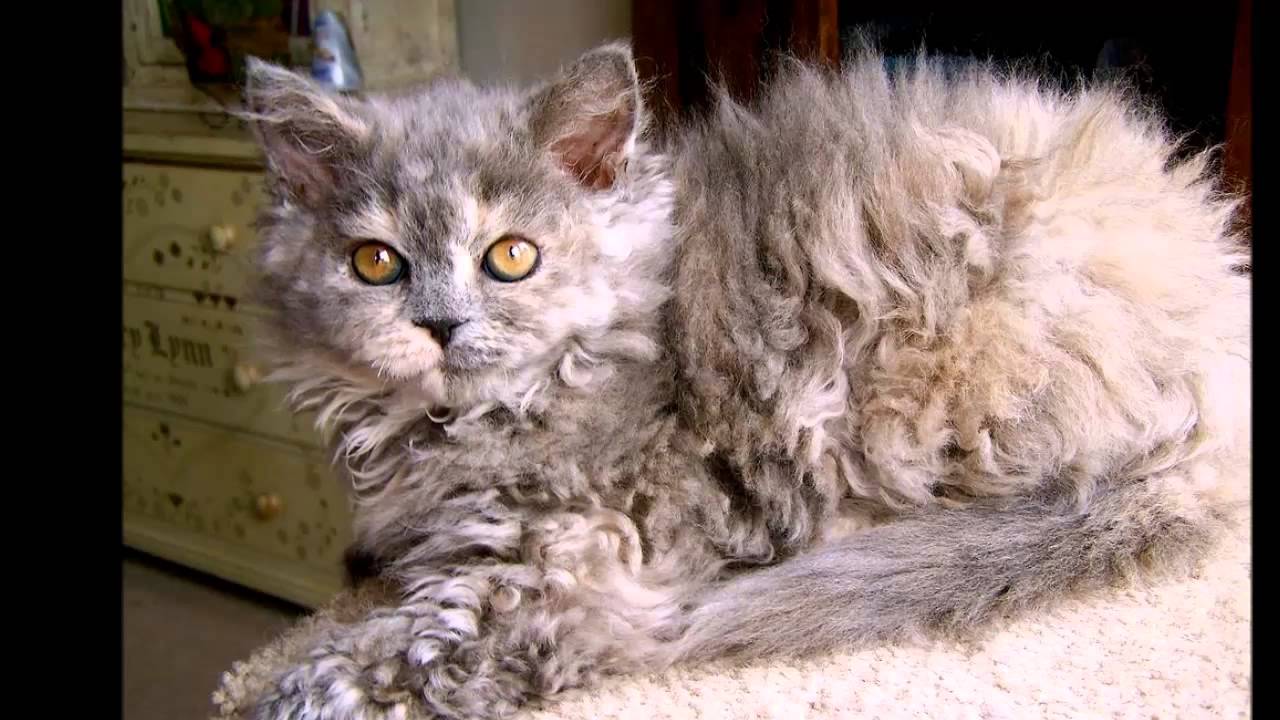
Soft yet springy, the distinctive curly coat of a LaPerm is so incredibly touchable, most owners find they can’t keep their hands off the cat! Not surprisingly, the cats don’t mind this at all; the breed is extremely interactive and affectionate and many LaPerms actually crave human contact. Resulting from a natural mutation, they are available in short and longhair coat lengths and can occur in any genetically possible color. The LaPerm is currently the only breed that is showable in the recently discovered Karpati pattern, which is characterized by “reverse pointing,” i.e., lighter-pigmented areas on the face, legs, and feet.
Breed History
The breed began with one unusual kitten born on an Oregon farm in 1982. Completely bald at birth, “Curly” had large, wide-spaced ears and what looked like a tabby pattern on her skin. By four months of age, the kitten had a full, curly coat. She produced one litter of five, all initially bald and eventually curly. Owner Linda Koehl was not knowledgeable about cats, but as the number of curly-haired cats on the farm increased, she realized she was dealing with a new breed. She began to confine the cats, control the breeding, and came up with the name LaPerm. Linda was unprepared for the excitement generated by her cats when she brought them to a cat show. It took time for the new breed to gain recognition but CFA accepted it for registration in 2000 and advanced it to championship status in 2008.
Character & Temperament
Given their background as protectors of the farm, LaPerms have a strong hunting instinct and are very intelligent. However, they are also inquisitive, affectionate, and people-oriented. Drawn to human faces, they will reach for your face with their paws and rub their faces against your head, neck, and face. Despite their gentle, loving nature, they are not demanding, but will show their appreciation of your attention by purring as soon as they see you coming. They are easy to train and can be taught to do tricks. Although they are considered an active breed, LaPerms are also quite content to be your lap cat. These cats are very attuned to their owners and will follow their lead. If the cat is busy playing and you decide to sit and relax, simply pick up your LaPerm and sit down with it, and it will stay in your lap, devouring your attention. They get along well with other pets and also with children. They will speak up if they feel a need for more attention, but generally are not vocal.
Physical Appearance
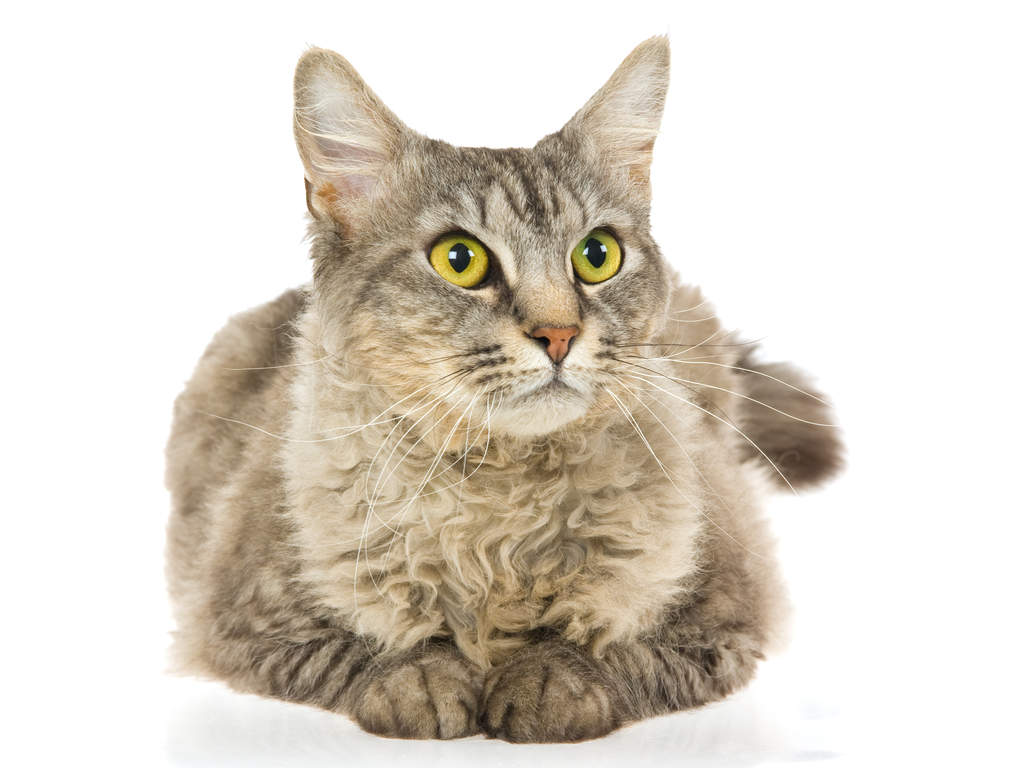
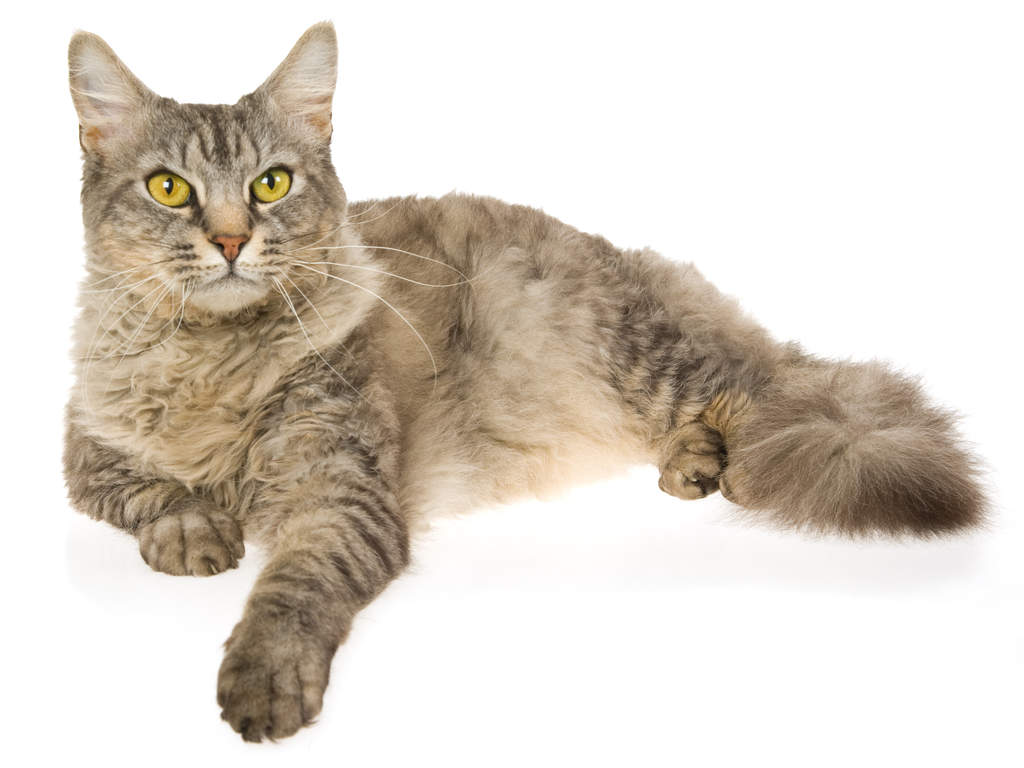
The coat of a LaPerm may consist of anything from undulating waves to fine, tight ringlets or corkscrews. Typically, the tightest curls occur on the throat, the underside, and the base of the ears. Longhair LaPerms often have full ruffs and plume-like tails, while shorthairs have “bottle-brush” tails and a crisper texture to the coat. The modified-wedge head has gentle contours, rounded whisker pads, and a slight dip in the profile; medium to large ears continue the line of the wedge. The almond-shaped eyes are medium large, very expressive, and set well apart.
Grooming
Because the curls of a LaPerm’s coat hold the hair (much like that of a Poodle), shedding is minimal and they usually do not mat. Regular combing is recommended. To do this properly and avoid pulling out healthy hair, use a comb made with rolling teeth; it will gently remove hair that is ready to come out and leave the rest of the coat intact. Some coats may become oily and benefit from an occasional bath; consult your breeder for bathing procedure and recommended products, since human shampoos should not be used on cats.
Life at home
Despite being a minority breed, LaPerms have a genetically diverse background and no specific health problems have yet been noted. Most breeders are committed to managing the health of their breeding cats and kittens, and will help you learn how to care for your cat to ensure it has a long life. Since the coat may vary in length and fullness throughout the cat’s life, it is wise to monitor the cat’s exposure to the sun, as bare spots and sparser areas may be subject to sunburn.