Origin
United States
Lifespan
12–15 years
Weight
2–4 kg
Group
Shorthair
Personality
Colors & Patterns
Various Colors and Patterns
Munchkin
About This Breed
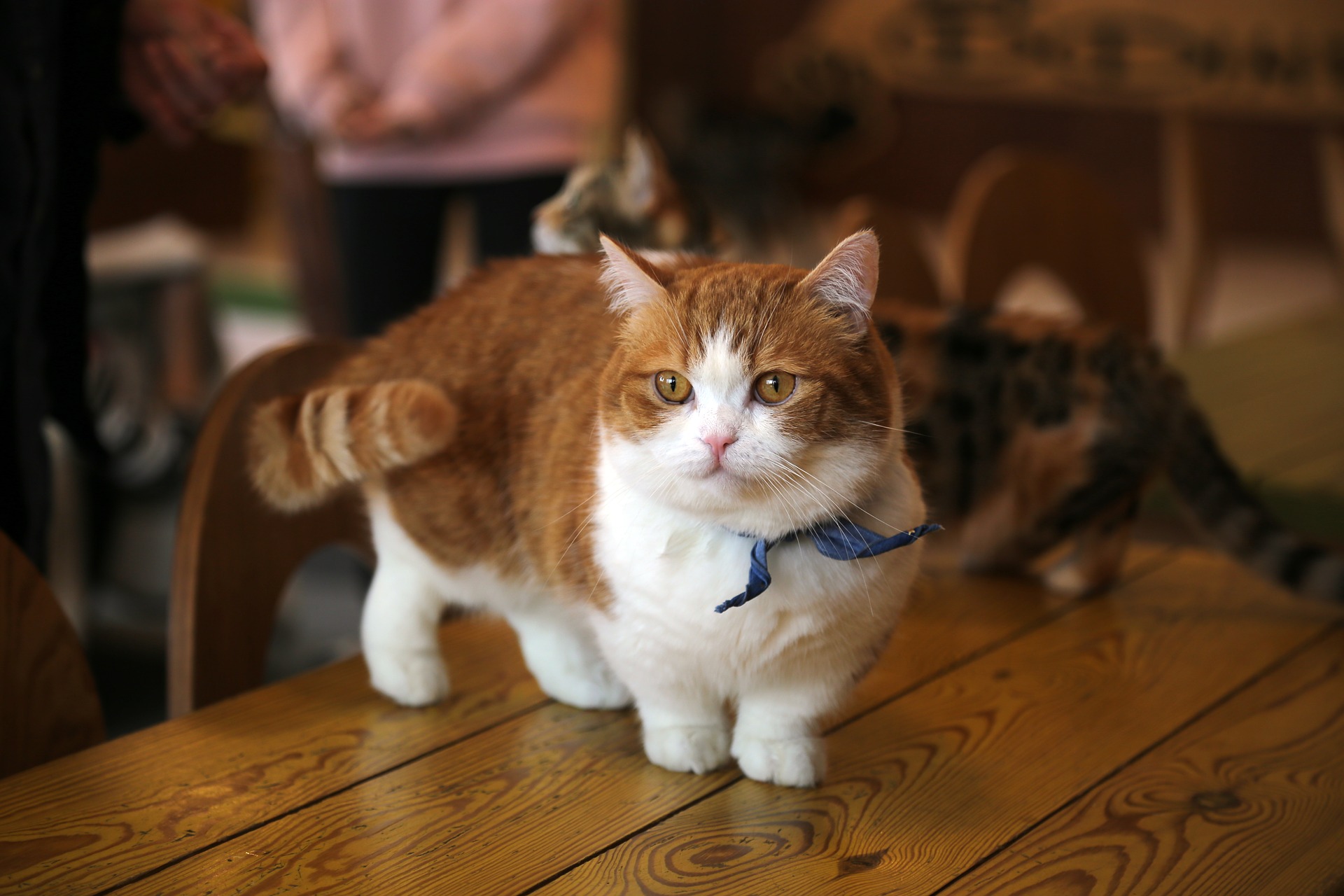
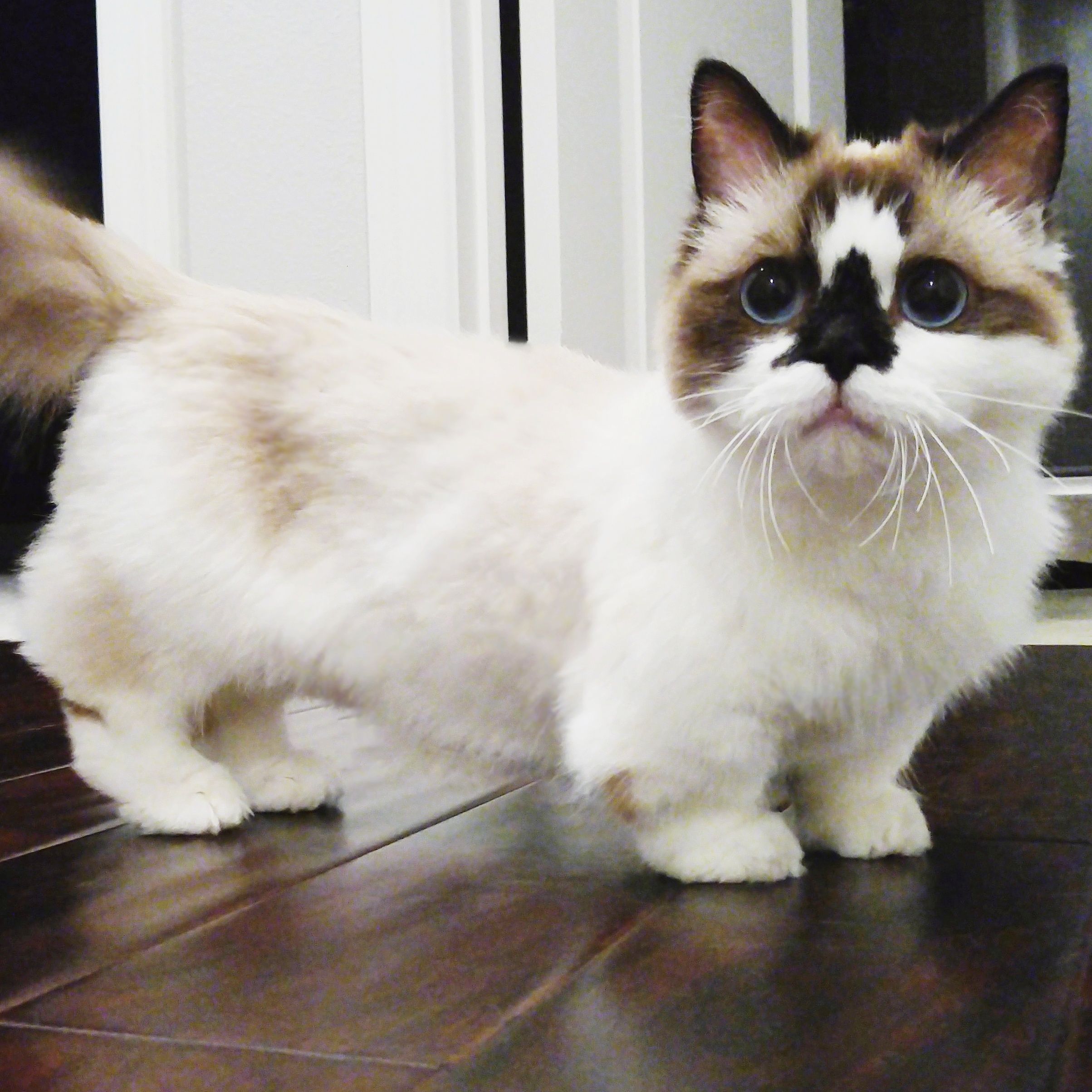
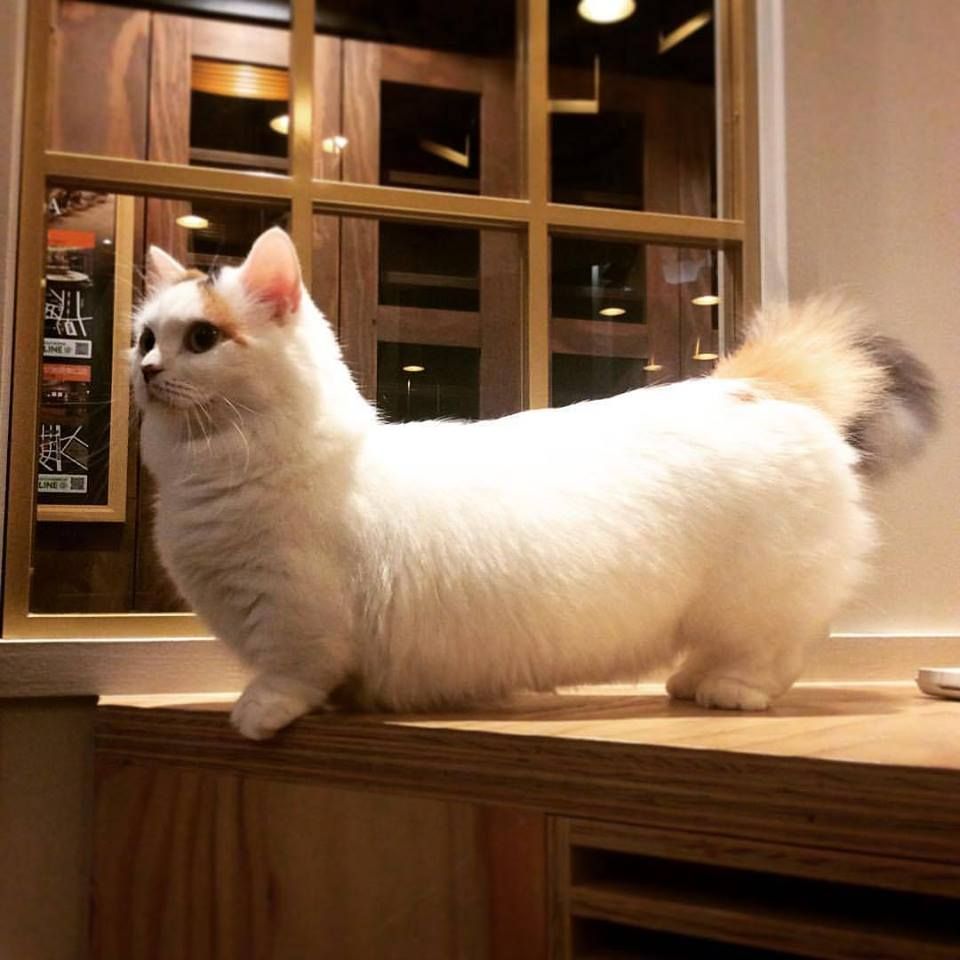
The Munchkin cat is a relatively new breed of cat characterized by its very short legs, which is caused by a naturally occurring genetic mutation. The Munchkin is considered to be the original breed of dwarf cat. They are often described as the 'dachshunds of the cat world'. Despite their short legs, munchkins are surprisingly agile. They are sociable, playful, and people-oriented cats with a kitten-like personality throughout their lives.
Characteristics
Scores describe general breed tendencies, not an individual animal. A higher score means more of the named trait or need; it does not always mean better.
Life with a Munchkin
Origin
| Origin | United States |
| Group | Shorthair |
For the breed’s history, see the reference sources and Wikipedia link below.
Size and coat
| Weight | 2–4 kg |
| Lifespan | 12–15 years |
| Colors & Patterns | Various Colors and Patterns |
These are approximate adult ranges. Individual animals may be smaller or larger.
Temperament
| Personality | Playful · Social · Curious · Affectionate · Active |
Usually active. Make time for play, exercise, and activities that keep it interested.
Often seeks company and attention. Allow time together and help it get used to short periods alone.
Coat care
Usually needs relatively little coat care. Brush as needed for its coat and shedding.
Some shedding is expected, and it may change with the season.
Living together
Often adjusts to changes fairly well, though a gradual introduction still helps.
Often gets along with children, but an adult should still supervise their time together.
Often gets along with other pets. Introduce them gradually rather than assuming they will be friends.
Health and lifespan
A lifespan range is not a prediction for an individual animal. Breed scores cannot diagnose illness or replace a veterinary assessment.
Offer places to climb, hide, scratch, and rest. Try different toys to see what your cat enjoys.
More from breed and care sources
Excerpts from the linked sources. Read the original for full details.
Breed Overview
The name isn’t the only adorable thing about the Munchkin. These playful, friendly cats have legs about 3 inches shorter than your typical cat. When paired with their average-size bodies (they generally weigh 6–9 pounds), this gives this dwarf cat a unique look, and their affectionate personalities are the cherry on top. It’s worth noting that while some official cat breed organizations, including The International Cat Association (TICA), recognize the Munchkin as an official breed, others such as the Cat Fanciers’ Association (CFA) don’t.
Care Guide
A natural genetic mutation gives the Munchkin cat breed those short legs, but otherwise their build is quite average for a small cat. “Munchkins are playful and kitten-like the majority of their lives,” says Dawn Lott, who in addition to breeding and showing Munchkins for 23 years, serves as TICA breed chair. She describes the friendly breed as attention-seeking and dog-like, adding, “They may follow you around the house a lot.” She recommends that pet parents with Munchkins have other animals at home that can keep their cat company 24/7. In addition to their need for companionship, Munchkins are intelligent cats and enjoy toys and games. “Munchkins love to play with just about anything,” Lott says. “They are also known as thieves, as they will steal things off counters or dressers, and play with it until it disappears.”