Origin
United Kingdom
Lifespan
11–14 years
Weight
3–6 kg
Group
Shorthair
Personality
Colors & Patterns
White · Black · Blue · Red · Cream · Silver · Tabby · Bicolor
Scottish Fold
About This Breed
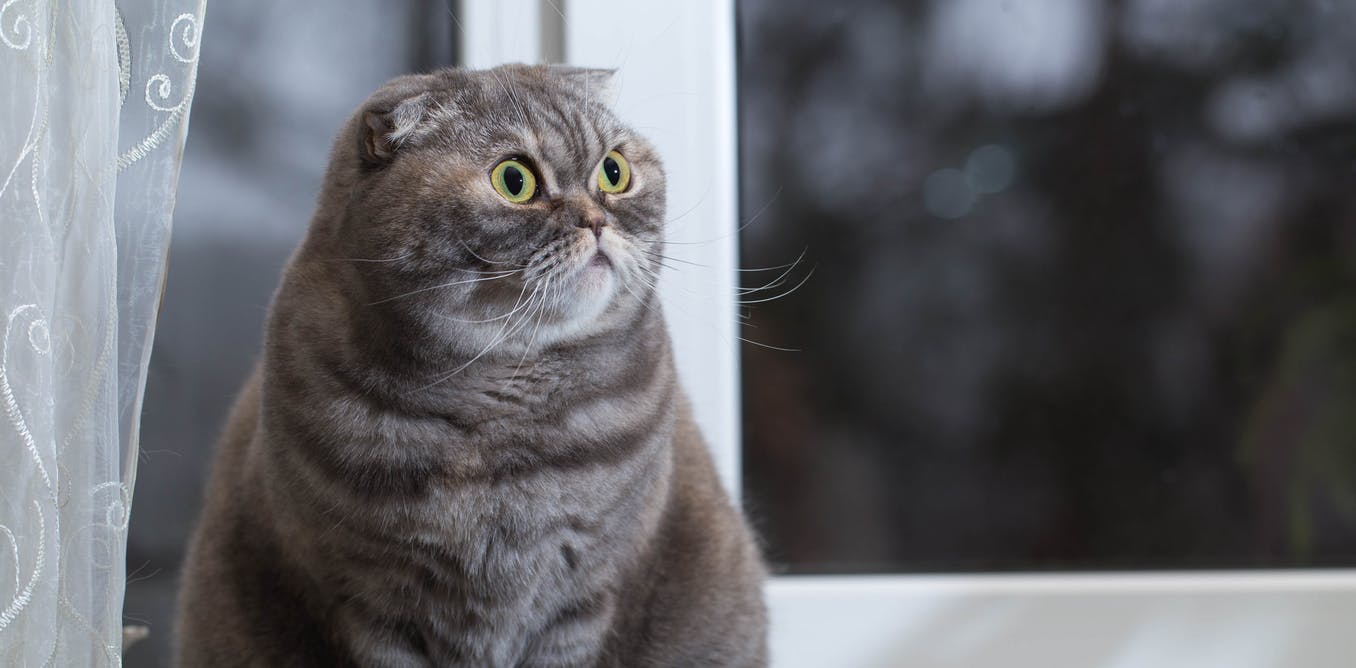
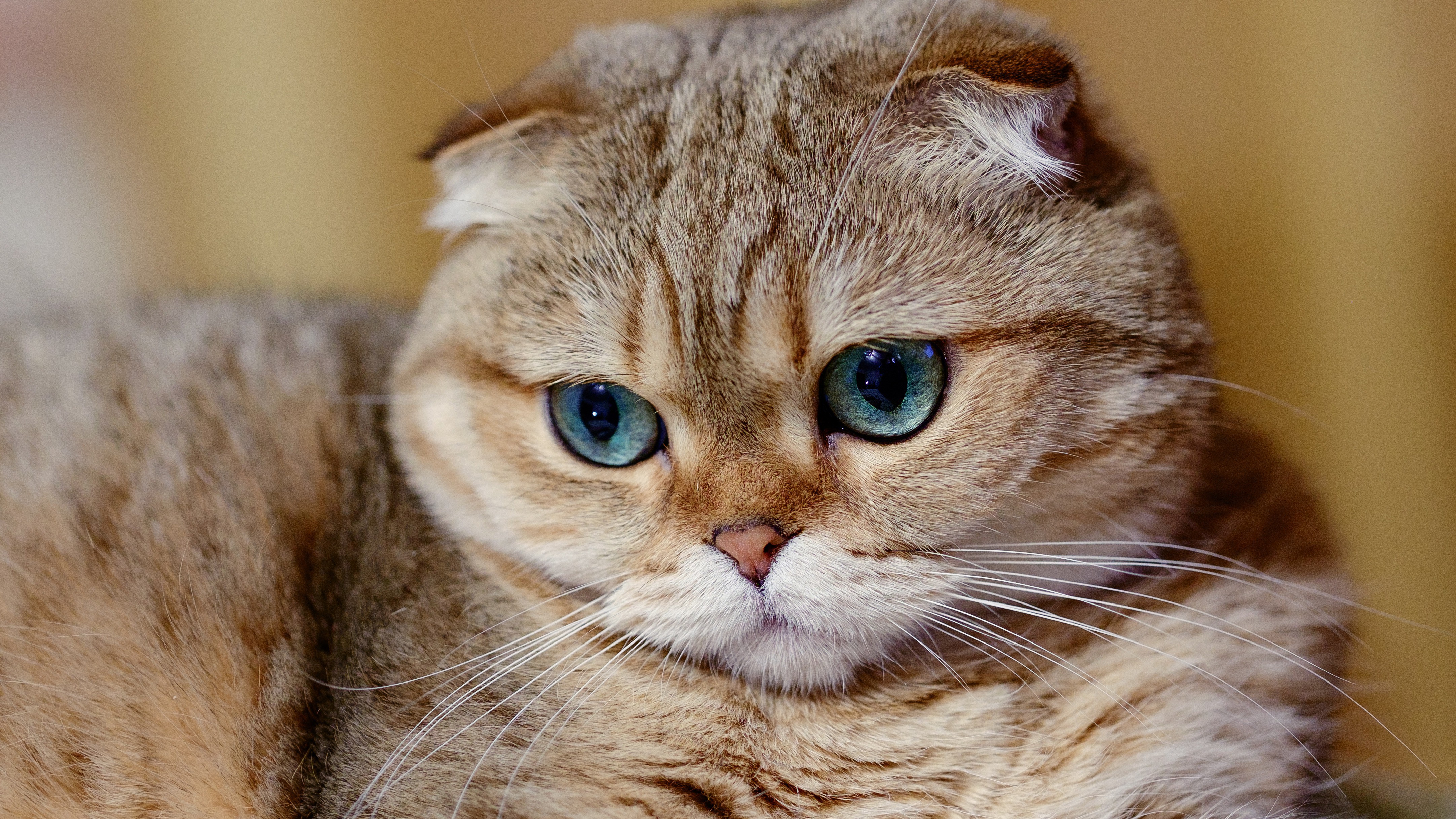
The Scottish Fold is a breed of domestic cat with a natural dominant gene mutation that affects cartilage throughout the body, causing the ears to fold forward and downward. The original Scottish Fold was a white barn cat named Susie, who was found at a farm near Coupar Angus in Perthshire, Scotland, in 1961. Their distinctive folded ears give them an owl-like appearance. They are known for sitting in a unique 'Buddha pose' with their belly up.
Characteristics
Scores describe general breed tendencies, not an individual animal. A higher score means more of the named trait or need; it does not always mean better.
Life with a Scottish Fold
Origin
| Origin | United Kingdom |
| Group | Shorthair |
For the breed’s history, see the reference sources and Wikipedia link below.
Size and coat
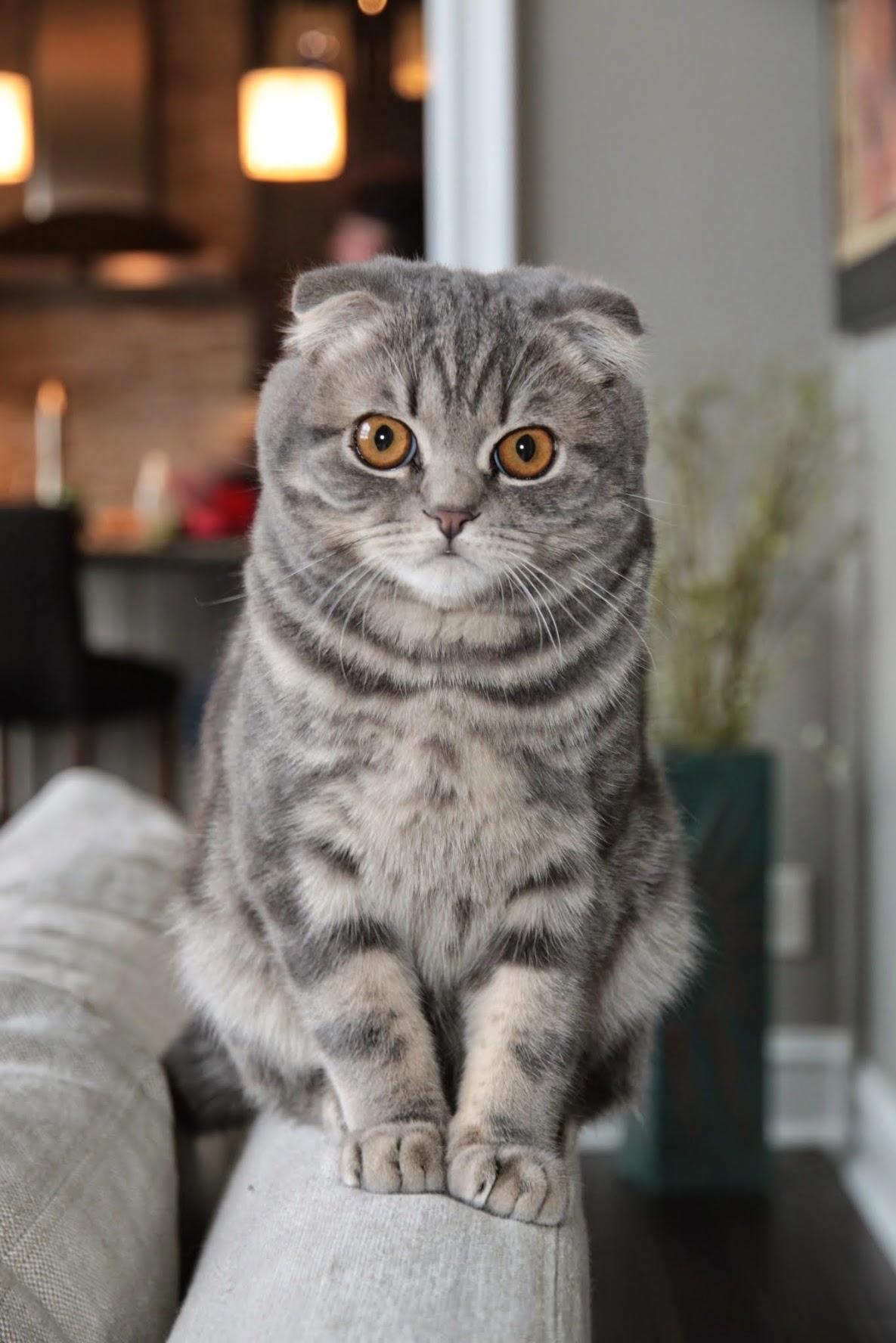
| Weight | 3–6 kg |
| Lifespan | 11–14 years |
| Colors & Patterns | White · Black · Blue · Red · Cream · Silver · Tabby · Bicolor |
These are approximate adult ranges. Individual animals may be smaller or larger.
Temperament
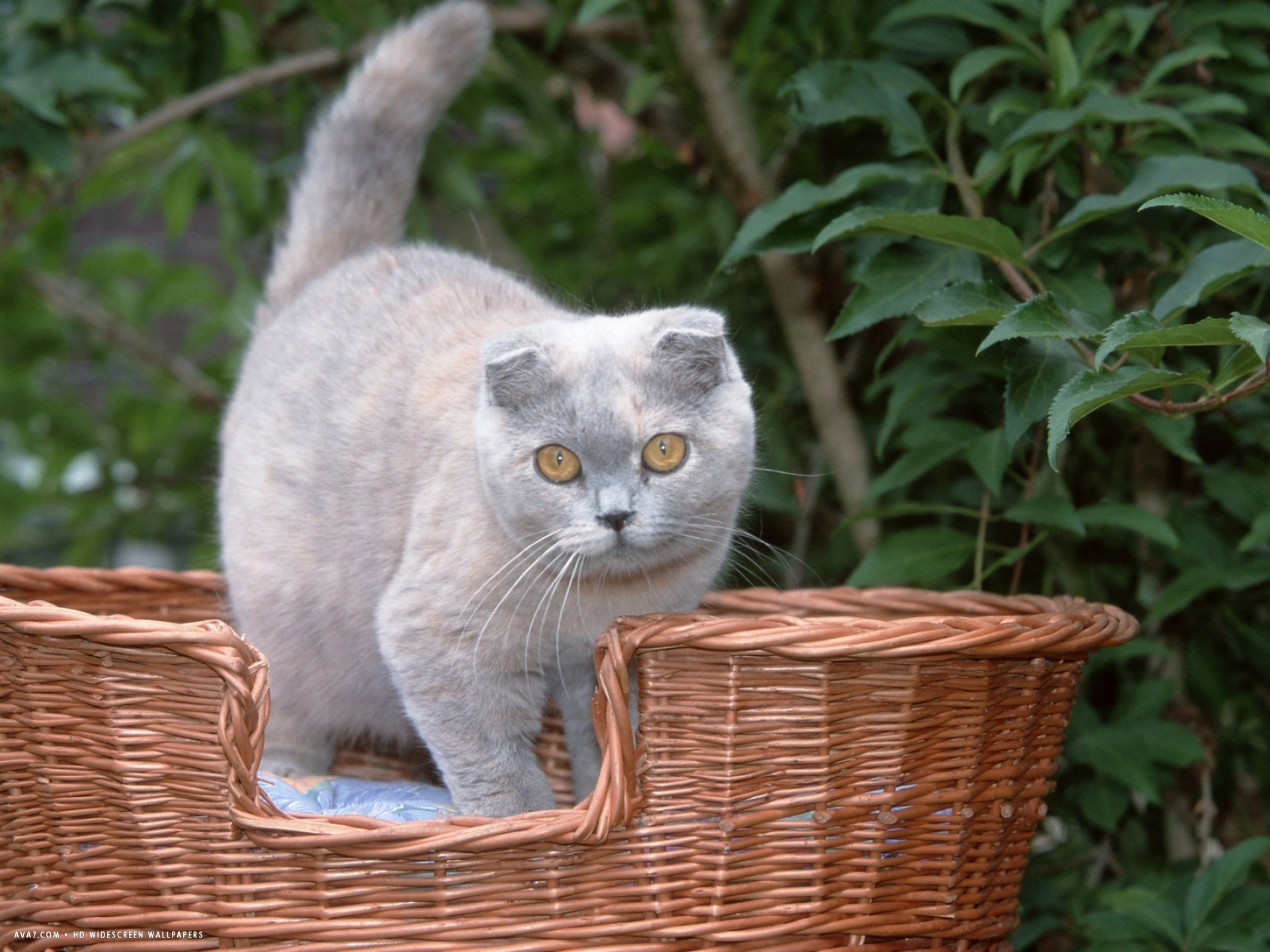
| Personality | Sweet · Gentle · Adaptable · Playful · Loyal |
Often enjoys a mix of activity and rest.
Often seeks company and attention. Allow time together and help it get used to short periods alone.
Coat care
Usually needs relatively little coat care. Brush as needed for its coat and shedding.
Some shedding is expected, and it may change with the season.
Living together
Often adjusts to changes fairly well, though a gradual introduction still helps.
Often gets along with children, but an adult should still supervise their time together.
Often gets along with other pets. Introduce them gradually rather than assuming they will be friends.
Health and lifespan
A lifespan range is not a prediction for an individual animal. Breed scores cannot diagnose illness or replace a veterinary assessment.
Offer places to climb, hide, scratch, and rest. Try different toys to see what your cat enjoys.
More from breed and care sources
Excerpts from the linked sources. Read the original for full details.
About the Breed
Who would have thought that one humble Scottish farm cat could become the foundation of one of the cat fancy’s most beguiling breeds? Loving and calm, the Scottish Fold personality is as endearing as its unique look. Without the distraction of upright ears, these cats’ round, soulful eyes are so dominant that they practically overwhelm you with their owl-like charm. The sweet, open expression does the rest; one look, and most people are in love. Even the straight-eared version of this breed—recently elevated to championship status in CFA—is equally appealing. And with long-haired and short-haired cats to choose from, who could ask for more?
Breed History
In 1961, a shepherd named William Ross spotted the first Scottish Fold, a copper-eyed white female named Susie, at a farm in the Tayside region of Scotland. Susie’s folded ears and unique look captured Ross’s heart and he asked for one of her kittens. Susie only produced one litter, so it was actually her daughter Snooks who became the foundation queen. Bred to a domestic male and then to a British Shorthair, she produced folded-ear kittens with both, and established the Scottish Fold as a breed. The folded ears are produced by a dominant gene that is considered a spontaneous mutation. The shorthaired Fold was granted championship status by CFA in 1978. Longhaired Folds achieved the same status in 1992, when the breed was separated into Shorthair and Longhair divisions. Then, in 2022, straight-eared cats were also accepted, so the breed now has four divisions.
Character & Temperament
Scottish Folds are comfortable, charming homebodies who enjoy but do not crave human interaction. They are quiet but not placid, and will readily engage in a game of fetch, however, you can trust them not to start one at three o’clock in the morning. Sometimes reserved with strangers and other cats—who may consider their folded ears a sign of hostility—Folds have affectionate natures that will blossom when given the right kind of respectful, loving attention. They are quite intelligent and can be trained to do basic tricks. Cuddly and loving with their special people, Folds have very even temperaments and are usually patient with children. They are friendly, curious cats who may sit up straight like a prairie dog if something new and intriguing captures their attention. People-oriented, Folds will follow you around the house engaging in quiet, polite conversation, but will rarely get in the way of your daily activities. However, they do not do well being left alone for long periods of time.
Physical Appearance
“Round” is the word most often used to describe the Scottish Fold. Medium in size, they have strikingly round heads due to the caplike fit of the folded ears. The eyes are very round, bright and clear. Even the folded ears (which have no effect on the cat’s hearing) should have rounded tips. The neck is short and blends into a well-padded body with strong, muscular legs. The tail should be medium to long but in proportion to the body. Flexibility of the tail should be gently, but frequently evaluated as signs of stiffness can be an early indication of other health problems.
Grooming
Scottish Folds do not require any special grooming. While they shed, their otherwise lush coats only require a weekly combing to keep it in good condition. Longer-haired versions of the Scottish fold are almost as easy to maintain, although they’ll require more frequent attention to prevent tangles and matting. Scottish Folds shed year-round, with heavier shedding periods during the spring and fall. If you do plan to bathe your cat, consult your breeder for the right products to use; every coat is slightly different.
Life at home
Responsible Fold breeders are careful to only breed fold-eared cats to straight-eared cats in order to minimize arthritic and bone conditions that may occur in this breed; DNA testing is also of paramount importance in order to confirm that each possible pairing is appropriate. A well-bred Scottish Fold will have a flexible tail and no problems with its gait. Most breeders are committed to managing the health of their breeding cats and kittens, and will help you learn how to care for your cat to ensure it has a long life.
Breed Overview
As you might have guessed, round-faced Scottish Folds—lovingly referred to as Foldies—originated in Scotland. Standing 8–10 inches tall and weighing up to 13 pounds, they’re stocky cats with lots of love to give. In 1961, a spontaneous genetic mutation established this breed of cats with folded ears. “These folded ears give them a unique appearance often seen as cute,” says Dr. Primrose Moss, VetMB, MRCVS, a UK-based small-animal veterinarian. However, there’s more to consider than cute looks when adding a new pet to the family.
Care Guide
If you’re a fan of Taylor Swift and her Scottish Fold cats, Meredith Grey and Olivia Benson, you may be familiar with their daily adventures. But what you might not know, Moss says, is that Scottish Fold cats require caregivers who can understand a cat’s body language and notice small signs of discomfort: The folded ears of these celebrity cats also come with joint and cartilage problems. However, these cats are incredibly popular due to their genuinely sweet and gentle temperament. They thrive in houses or apartments, and Scottish Folds happily share their abode with other pets and/or children.