Origin
Thailand
Lifespan
15–20 years
Weight
3–5 kg
Group
Shorthair
Personality
Colors & Patterns
Seal Point · Blue Point · Chocolate Point · Lilac Point · Flame Point
Siamese
About This Breed
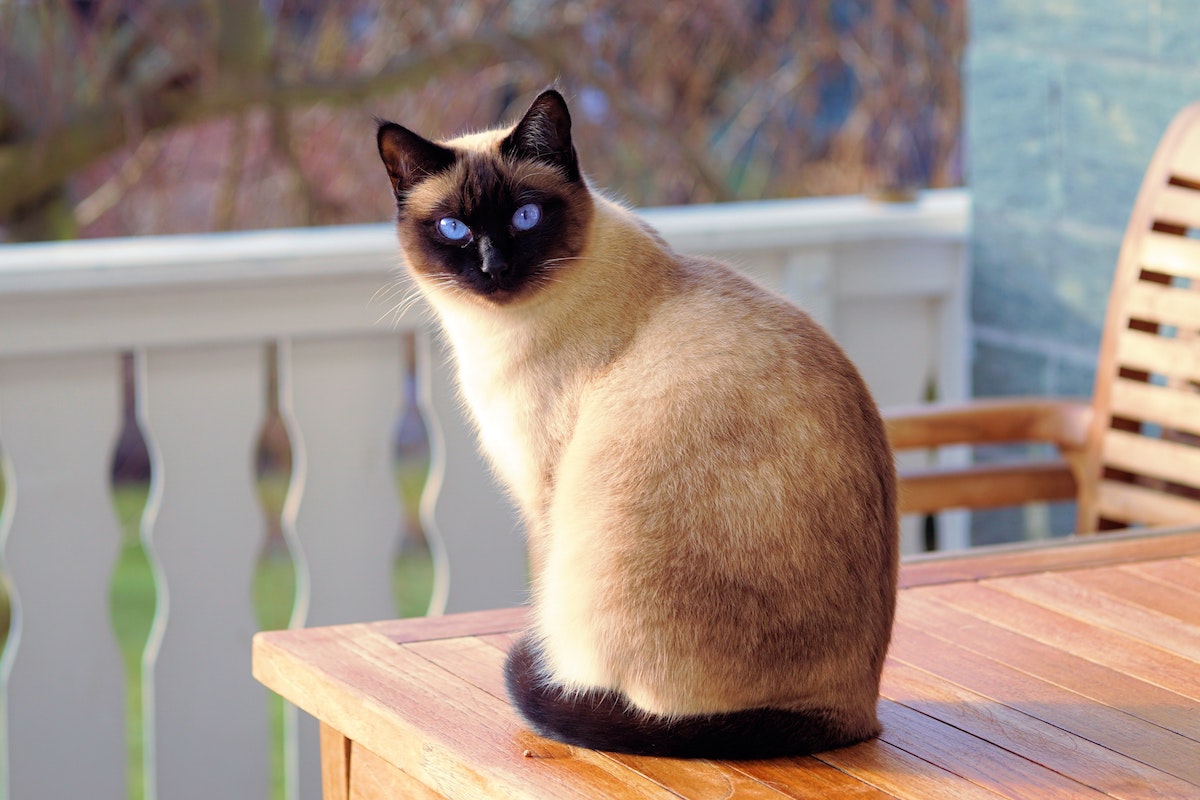
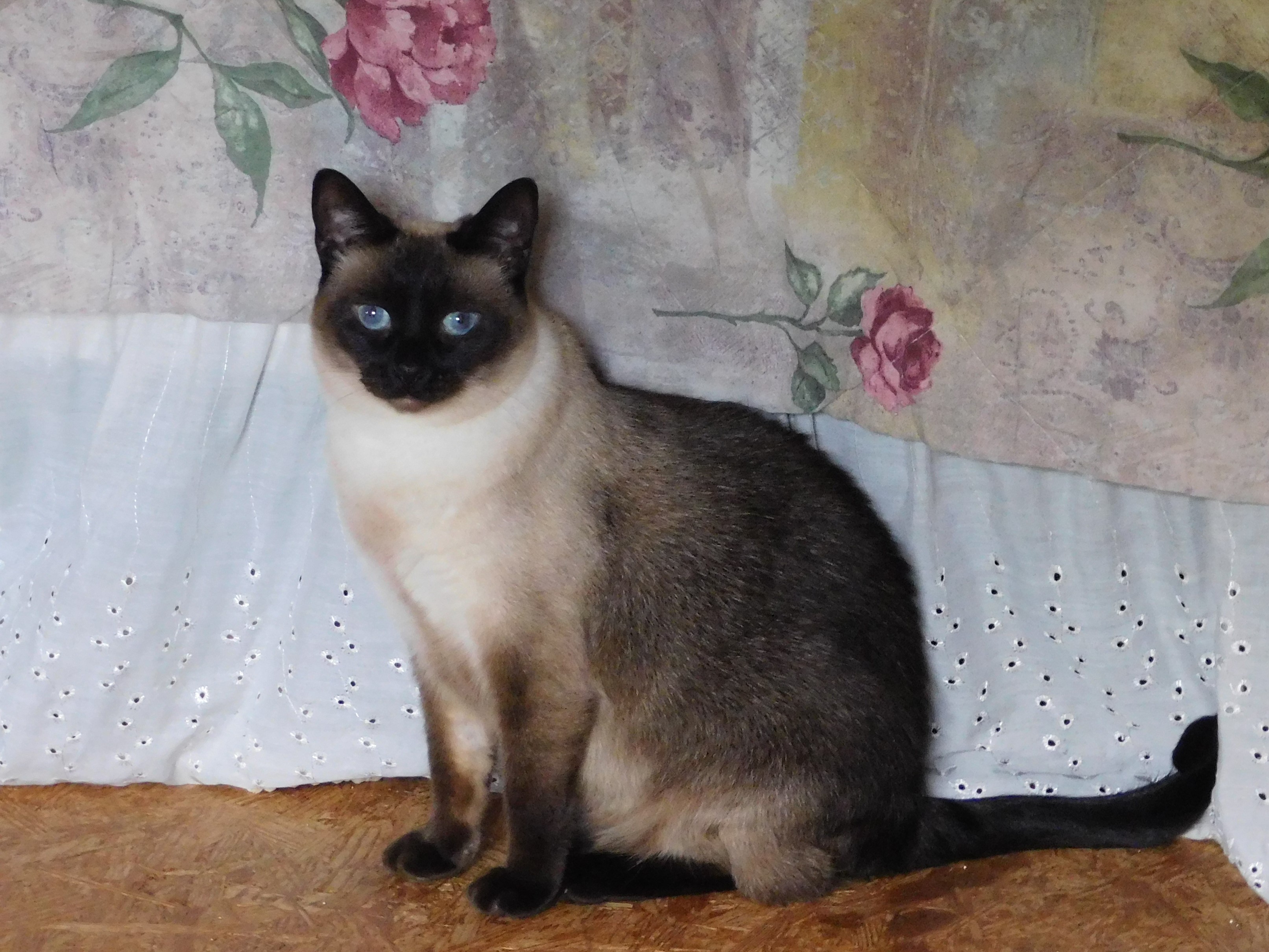
The Siamese cat is one of the first distinctly recognised breeds of Asian cat. Derived from the Wichianmat landrace, one of several varieties of cat native to Thailand, it became one of the most popular breeds in Europe and North America in the 20th century. Siamese cats are known for their distinctive colouring, with a pale body and darker extremities (called 'points'). They are highly social, vocal, and intelligent cats that thrive on human interaction.
Characteristics
Scores describe general breed tendencies, not an individual animal. A higher score means more of the named trait or need; it does not always mean better.
Life with a Siamese
Origin
| Origin | Thailand |
| Group | Shorthair |
For the breed’s history, see the reference sources and Wikipedia link below.
Size and coat
| Weight | 3–5 kg |
| Lifespan | 15–20 years |
| Colors & Patterns | Seal Point · Blue Point · Chocolate Point · Lilac Point · Flame Point |
These are approximate adult ranges. Individual animals may be smaller or larger.
Temperament
| Personality | Social · Intelligent · Vocal · Playful · Affectionate |
Usually active. Make time for play, exercise, and activities that keep it interested.
Often seeks company and attention. Allow time together and help it get used to short periods alone.
Coat care
Usually needs relatively little coat care. Brush as needed for its coat and shedding.
Usually sheds relatively little. Low shedding does not mean an animal cannot cause allergies.
Living together
Often adjusts to changes fairly well, though a gradual introduction still helps.
Often gets along with children, but an adult should still supervise their time together.
Often gets along with other pets. Introduce them gradually rather than assuming they will be friends.
Health and lifespan
A lifespan range is not a prediction for an individual animal. Breed scores cannot diagnose illness or replace a veterinary assessment.
Offer places to climb, hide, scratch, and rest. Try different toys to see what your cat enjoys.
More from breed and care sources
Excerpts from the linked sources. Read the original for full details.
About the Breed
Long considered the personification of feline elegance, the Siamese has been the inspiration, if not the direct genetic source, for so many other breeds that it is universally considered one of the greatest treasures of the cat fancy. Indeed, the cat fancy as we know it today would likely not exist without the discovery and promotion of these exquisite cats by early English fanciers in the late 1880s. The striking contrast between the darker points and the paler body color, enhanced by the dramatic beauty of those sapphire blue eyes, has now exemplified the look of the pedigreed cat for well over a century.
Breed History
These cats were first documented in a historic Thai collection of cat poems written during the in the Ayutthaya period of Thai history (1350-1767). The first Siamese to arrive in the United States was “Siam,” given to President Rutherford B. Hayes by the American Consul in Bangkok in 1878. At the same time, Siamese were appearing in catalogues of the Crystal Palace cat shows and capturing the hearts of British cat lovers. More Siamese soon crossed the Atlantic, expanding their conquest to the fast-growing American cat fancy and becoming one of the first breeds recognized by CFA at its founding in 1906. The first Siamese Best-in-Show winner came just one year later. At the time, seal points—still the most popular—were the only color, but the other three traditional colors gradually followed. The blue point was recognized in 1934, the chocolate point in 1952 and the lilac point in 1955.
Character & Temperament
Unsurpassed by any other breed in its ability to communicate with humans, the Siamese is often considered the most intelligent of cats. They are experts at making their desires known, via body language or through their large repertoire of vocalizations. They also give a new meaning to the term “clingy;” they don’t just love you because you’re theirs, they love you because you are warm! Your Siamese will gravitate to the warmest spot in the house, which may be a spot of sunshine on the floor but is most likely to be your lap. However, Siamese have a need for closeness and human attention that transcends their heat-seeking instincts. Be prepared to provide the intense level of devotion they require; of course, you will receive it back many times over! A Siamese wants to be with you, on you, or actively involved in whatever you might be doing; expect loud protests should you need some time and space to yourself! While the best companion for a Siamese is likely either a human or another Siamese, many of these cats have formed close friendships with other pets.
Physical Appearance
While there is a perception that breed’s look has changed over the years, the earliest standards describe a cat that would excel in the show ring today. During the 1950s, when the breed’s popularity soared, cats with rounder heads, heavier bones, and washed-out eye color were bred to meet the extraordinary demand. The look of the top show Siamese, however, has never changed. With its long, flat profile, long neck, body, tail and legs, everything about these cats is long except the fine, short coat. The head is wedge-shaped, forming a triangle that is completed by large, broad-based ears and accented by brilliant blue almond-shaped eyes.
Grooming
Siamese do shed and regular grooming is needed to keep the amount of shedding under control. However, no special equipment is needed, since you can easily groom a Siamese with only your hands. Simply wet your hands and stroke the coat until your hands are dry, gently removing dead hair in the process. A rubber brush may also be used if desired. Unless it is being shown, your Siamese should not require bathing.
Life at home
Because of their popularity and diversity, most Siamese are healthy and breeders are working to address two key issues that may occur. Progressive retinal atrophy, which can cause blindness, is a recessive gene, detectable via genetic testing; carriers can be removed from the gene pool or bred only to non-carriers. Amyloidosis, which causes liver problems, is more problematic since research is still ongoing to determine the responsible genes. Breeders have been proactive about policing their lines for relatives of cats that have developed this disease but it’s best to inquire if there is any history of it in your kitten’s lines.
Breed Overview
Once upon a time, only royalty was permitted to keep the companionship of a Siamese cat. It was in present-day Thailand that the regal cats charmed their caregivers with stunning good looks and playful personalities. Stories of the Siamese cat say they were guardians of temples, where they were fed and cared for lavishly while protecting the souls of high-ranking people who had passed, according to the Siamese Cat Society. Today, you don’t need royal roots to enjoy the company of this clever cat. But take note: “While gentle, Siamese cats don’t jump to mind for being laid-back,” says Annette Louviere, DVM at Wisdom Health Genetics.
Care Guide
Siamese are highly intelligent and uber-playful, which means their curious antics can lead them to mischief when they’re not provided with daily enrichment. They take their need for play as seriously as their need for affection, becoming bonded and shadow-like to their human caretakers. Adopting a Siamese cat means making time for one-on-one bonding through interactive play and training. Siamese cats are spunky, talkative, and outgoing, Louviere says. If they feel they’re not getting the attention they deserve, they’ll let you know.