Origin
Russia
Lifespan
11–18 years
Weight
4–9 kg
Group
Semi-Longhair
Personality
Colors & Patterns
Tabby · Silver · White · Black · Blue · Red · Cream
Siberian
About This Breed
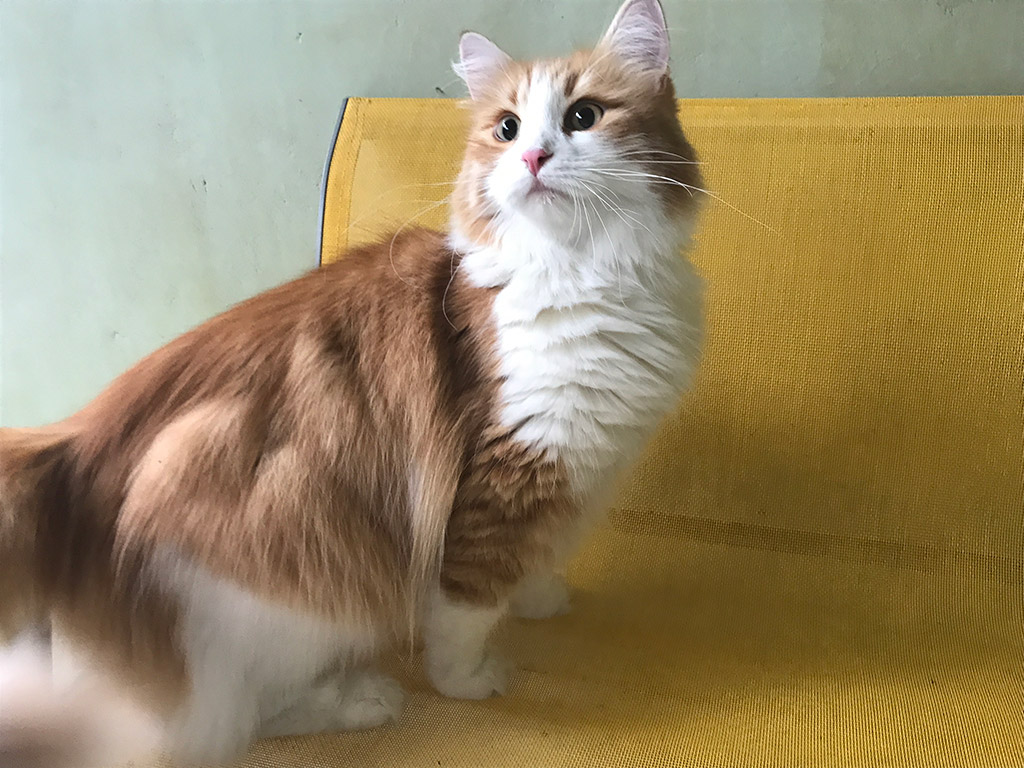
The Siberian is a variety of domestic cat that is the national cat of Russia and considered to be an ancient breed that has been present in Siberia for centuries. The breed is known for having a thick, long, triple coat that helps it withstand the harsh Russian winters. Siberians are known for being particularly friendly, intelligent, and playful cats that enjoy playing with water. They are considered hypoallergenic by some due to lower Fel d 1 protein levels.
Characteristics
Scores describe general breed tendencies, not an individual animal. A higher score means more of the named trait or need; it does not always mean better.
Life with a Siberian
Origin
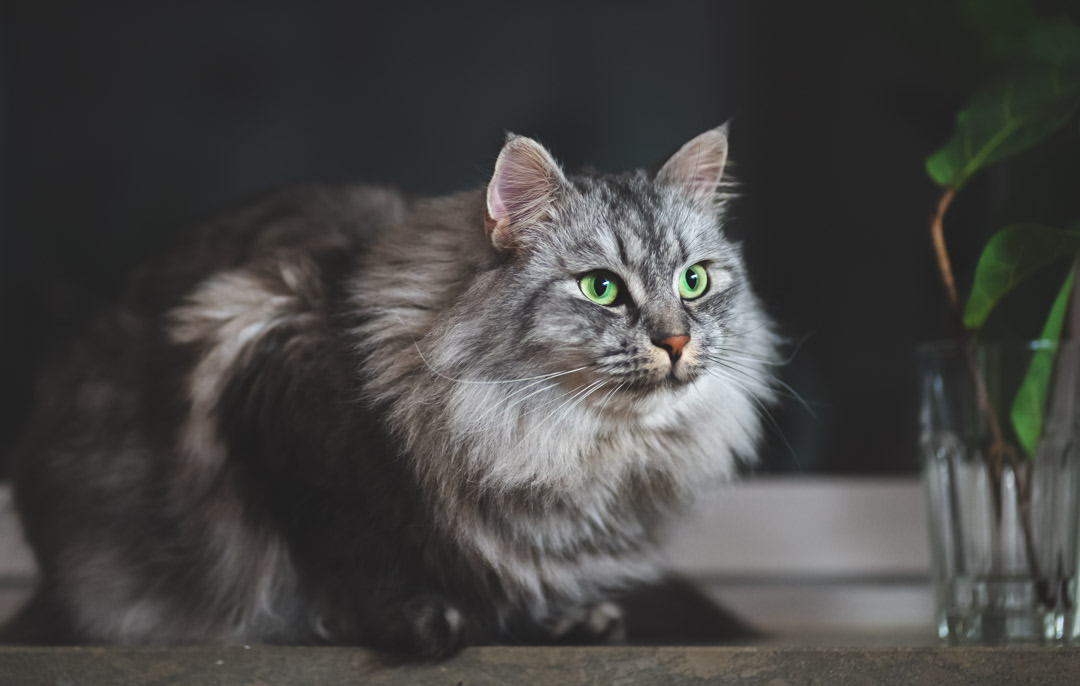
| Origin | Russia |
| Group | Semi-Longhair |
For the breed’s history, see the reference sources and Wikipedia link below.
Size and coat
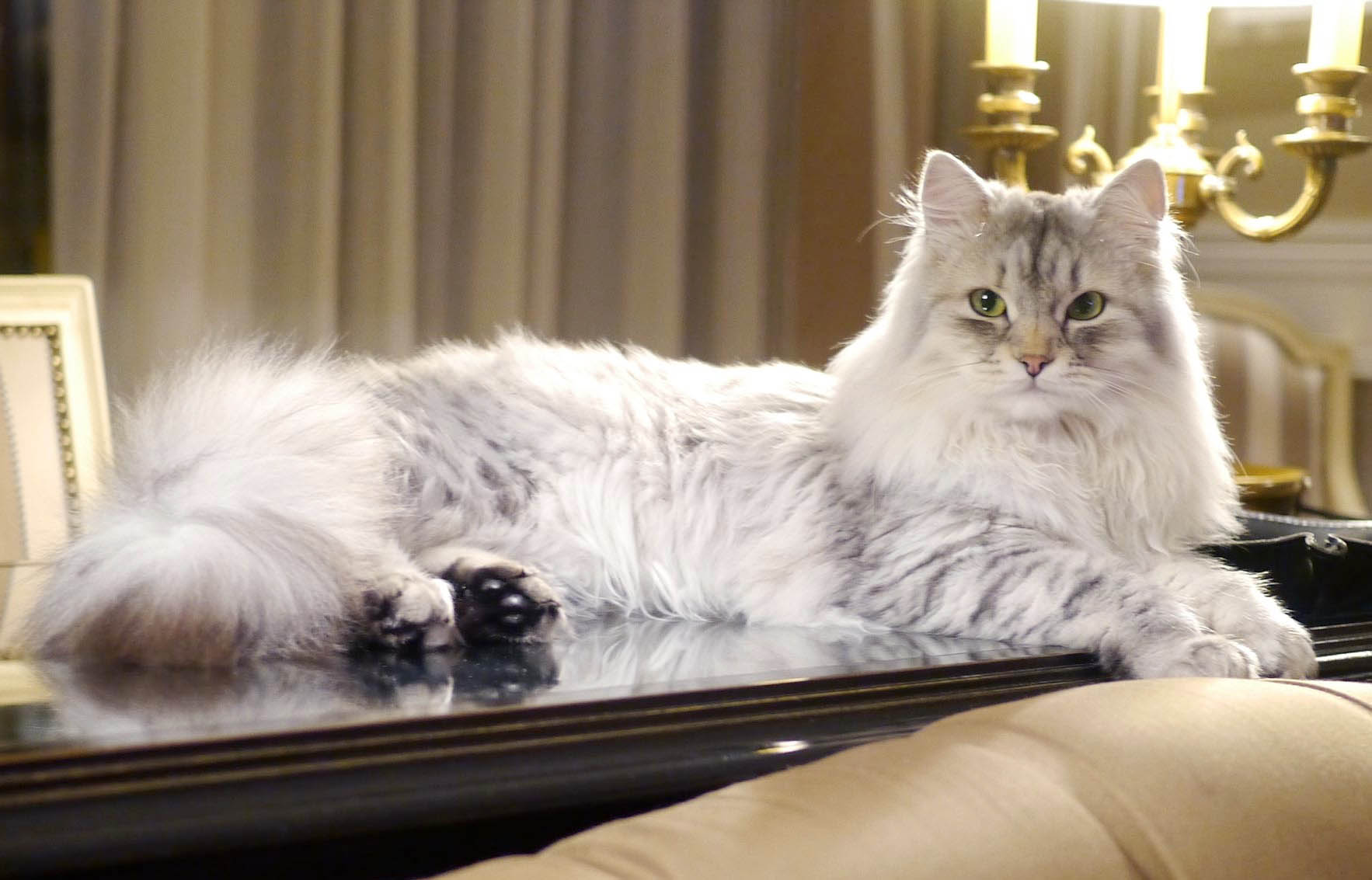
| Weight | 4–9 kg |
| Lifespan | 11–18 years |
| Colors & Patterns | Tabby · Silver · White · Black · Blue · Red · Cream |
These are approximate adult ranges. Individual animals may be smaller or larger.
Temperament
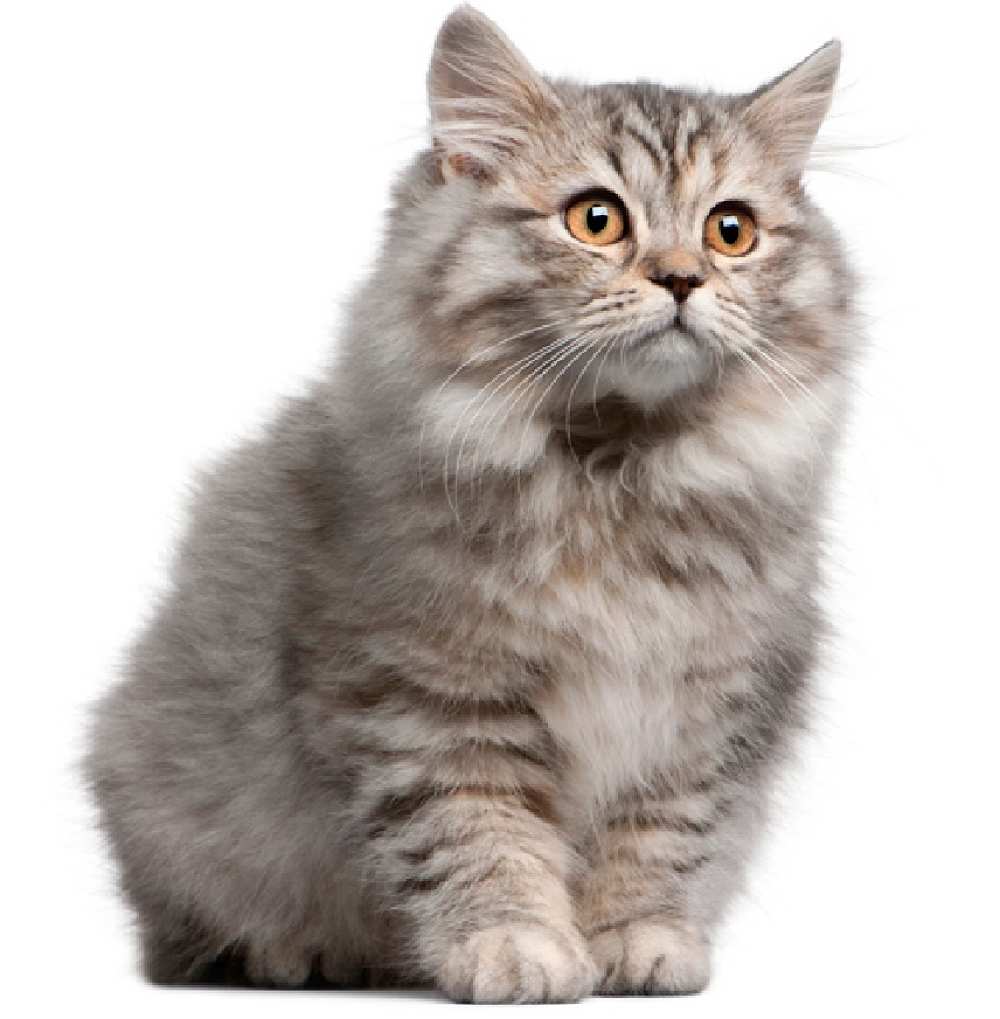
| Personality | Playful · Gentle · Intelligent · Loyal · Affectionate |
Usually active. Make time for play, exercise, and activities that keep it interested.
Often seeks company and attention. Allow time together and help it get used to short periods alone.
Coat care
Regular brushing helps remove loose hair and prevent tangles.
Can shed a lot. Regular brushing can help manage loose hair.
Living together
Often adjusts to changes fairly well, though a gradual introduction still helps.
Often gets along with children, but an adult should still supervise their time together.
Often gets along with other pets. Introduce them gradually rather than assuming they will be friends.
Health and lifespan
A lifespan range is not a prediction for an individual animal. Breed scores cannot diagnose illness or replace a veterinary assessment.
Offer places to climb, hide, scratch, and rest. Try different toys to see what your cat enjoys.
More from breed and care sources
Excerpts from the linked sources. Read the original for full details.
About the Breed
Imagine a feline with all the wintry majesty of a Norwegian Forest Cat, and all the massive presence of a Maine Coon Cat, but a softer, sweet-faced, look that’s immediately appealing. Built to withstand the Russian winter, these cats have a powerful, muscular structure with a thick, triple coat, often cited as the breed’s most distinctive feature.
Breed History
Considered the national cat of Russia, Siberian recorded history In their native land goes back to the year 1000, when farmers and tradesmen were their primary caretakers. While real-world Siberians earned their keep as Ministers of Rodent Control, fantasy versions populated Russian fairy tales, protecting children and opening gateways to otherworldly realms. For hundreds of years, these cats remained a Russian secret, but with the advent of cat shows in England in the 1890s, they began to become known in the outside world. It was not until 1990 that the first breeding Siberians arrived in the U.S., imported by Elizabeth Terrell for her Starpoint cattery. Accepted for CFA registration in 2000, they achieved Championship status in 2007 and today are shown in a variety of traditional and colorpointed colors.
Character & Temperament
Extremely intelligent—as befits a natural hunter—the Siberian takes a keen interest in its surroundings and loves to investigate cabinets, cupboards, and suitcases. This does not mean that it is overactive or intrusive, though; quite the contrary! Sibs are simply sociable, curious, and easygoing cats who want to be near their owners and to know what is going on around them at all times. They quickly learn the meaning of the word “no” (although they may translate it as “Okay to do when no one is looking!). Siberian owners speak of their cats as “90% placid and 10% mischief,” so prospective owners should look forward to enjoying the former quality while being prepared for the latter. Since they become very attuned to their owners’ moods, Sibs are often sought after as potential emotional support animals and can be very effective and helpful in this capacity. They get along well with dogs and other animals, and can be wonderful companions for children. Quiet cats, they tend to prefer loud purrs to other forms of feline communication.
Physical Appearance
These large, powerful cats are one of the slowest-maturing cat breeds, most reaching full size by three years, which can range between 12 and 18 pounds for a mature male (females range from 8 to 12 pounds). The dense, full coat is noticeably thicker in the colder months, and shorter and less dense in the summer. The head is a broad modified wedge with a full, rounded muzzle, lustrous, almost round eyes, and medium-sized, well-furnished ears.
Grooming
Siberian coats vary enormously, with some needing weekly grooming sessions to prevent mats while others can go for weeks without one. The best strategy is to handle the cat’s underside, tail and britches several times per week, feeling for mats and tangles, as this is where they are most likely to develop. If you find clumps, gently pull them apart with your fingers, or pick them apart with the edge of a steel-toothed comb. After manual untangling, go through the coat with your comb to remove the remainder of the mat.
Life at home
Siberian breeders are typically scrupulous about genetic testing and choose breeding pairs with extreme care in order to maintain a high level of diversity and minimize hereditary issues found in this breed. These include hypertrophic cardiomyopathy, polycystic kidney disease and several other recessive conditions. Because of the cost of preventive testing, Siberians may be more expensive than some other breeds. Once most popular in brown tabby, they are now shown in virtually every imaginable color, including a new color called “bimetallic” which includes both gold and silver areas in the same coat.
Breed Overview
With a fluffy tail, a unique triple coat, and a prominent neck ruff, it’s easy to imagine the Siberian cat braving winter in his homeland. But today, the National Cat of Russia makes a loving, affectionate pet in all kinds of homes. The friendly Siberian is a naturally occurring cat breed that’s slow to mature, not reaching his full-grown size of 12–15 pounds (or more!) until around his fifth birthday. These large cats often like to cuddle, and they can be wonderful lap cats (although, of course, every cat has his own personality and preferences).
Care Guide
Siberians are affectionate, clever cats who enjoy a balance of play, training, and rewards, says Maria Bunina of Musrafy Cattery near London. She imported her first Siberians from Russia in 2003, and has been involved in promoting the breed in the U.K. and worldwide ever since. She considers Siberians to be quite well-balanced: “They’re not too needy, but not too independent either.” The Siberian’s stunning coat consists of three types of hair: guard hair, awn hair, and undercoat. The coat comes in a wide variety of colors—and while this might be a draw for many would-be pet parents, it also has drawbacks. Their fur requires regular grooming, but perhaps not as much as you’d assume. Some Siberian cats (especially those with softer, fluffier coats) are more prone to matting than others. But, generally, a weekly combing will do the trick, with a little extra effort during their spring and fall shedding seasons—at which point, Bunina says, “You really cannot overgroom them.”