Origin
Canada
Lifespan
9–15 years
Weight
3–6 kg
Group
Hairless
Personality
Colors & Patterns
White · Black · Blue · Red · Cream · Various Patterns
Sphynx
About This Breed
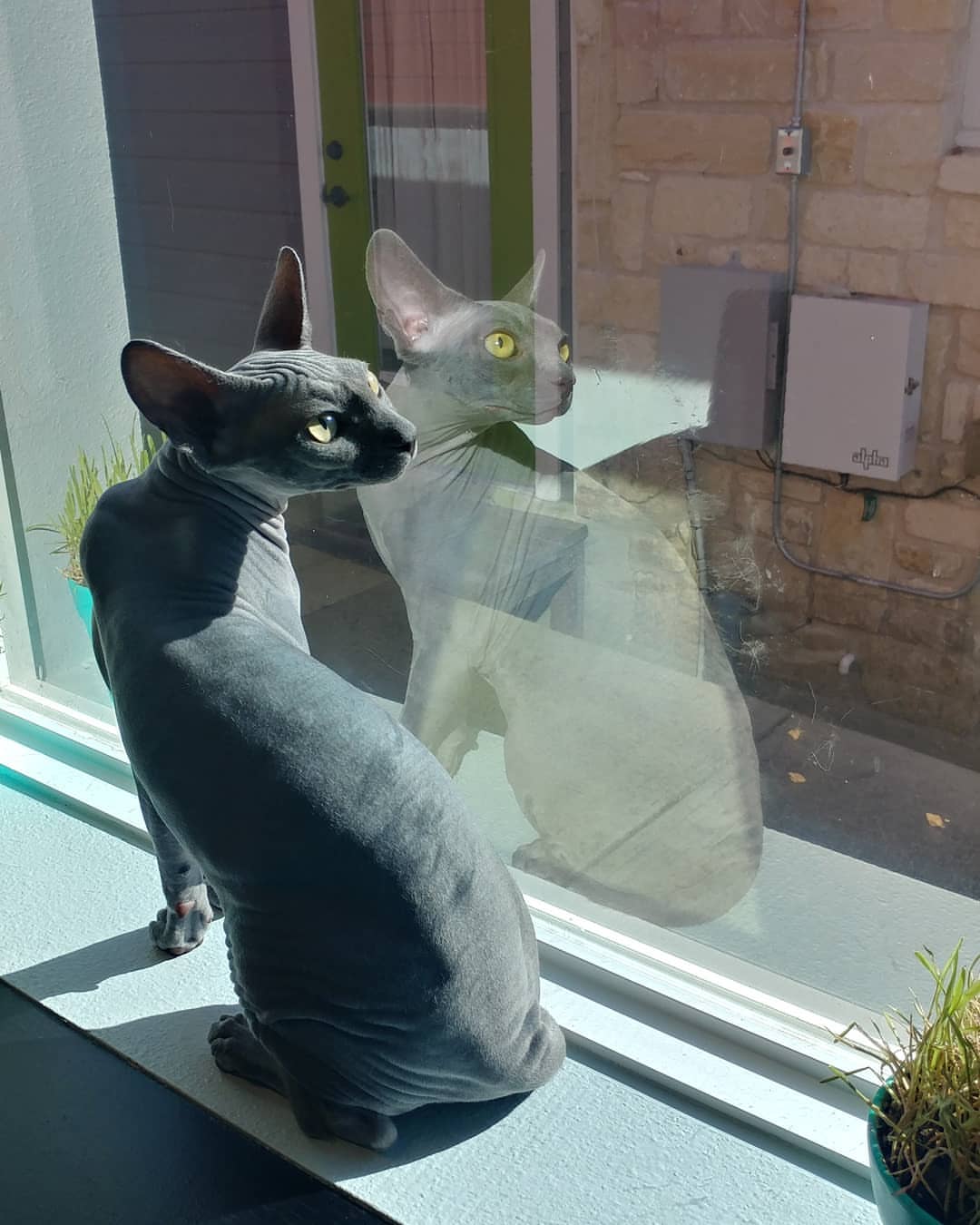
The Sphynx cat (or Sphinx cat) is a breed of cat known for its lack of coat (fur). The Sphynx was developed through selective breeding, starting in the 1960s. The skin should have the texture of chamois leather as it may be covered with very fine, short hair. Despite appearing hairless, the Sphynx requires regular bathing to remove oil buildup. They are extremely affectionate, love human contact, and are known for their dog-like behaviour.
Characteristics
Scores describe general breed tendencies, not an individual animal. A higher score means more of the named trait or need; it does not always mean better.
Life with a Sphynx
Origin
| Origin | Canada |
| Group | Hairless |
For the breed’s history, see the reference sources and Wikipedia link below.
Size and coat
| Weight | 3–6 kg |
| Lifespan | 9–15 years |
| Colors & Patterns | White · Black · Blue · Red · Cream · Various Patterns |
These are approximate adult ranges. Individual animals may be smaller or larger.
Temperament
| Personality | Energetic · Social · Playful · Affectionate · Curious |
Usually active. Make time for play, exercise, and activities that keep it interested.
Often seeks company and attention. Allow time together and help it get used to short periods alone.
Coat care
With little or no fur, skin care matters more than brushing. Ask your vet about a suitable routine.
Usually sheds relatively little. Low shedding does not mean an animal cannot cause allergies.
Living together
Often adjusts to changes fairly well, though a gradual introduction still helps.
Often gets along with children, but an adult should still supervise their time together.
Often gets along with other pets. Introduce them gradually rather than assuming they will be friends.
Health and lifespan
A lifespan range is not a prediction for an individual animal. Breed scores cannot diagnose illness or replace a veterinary assessment.
Offer places to climb, hide, scratch, and rest. Try different toys to see what your cat enjoys.
More from breed and care sources
Excerpts from the linked sources. Read the original for full details.
About the Breed
What’s so special about a Sphynx? Some fans of this popular breed will say it’s the otherworldly look and style of this cat, with its soulful, lemon-shaped eyes, oversized ears, full abdomen, and people-oriented personality. Others may insist it’s the fabulous feel of that nearly-bare skin, which is often compared to warm suede. Both schools of thought are completely correct! The unique appeal of this breed is extremely broad in scope and captures cat lovers from first sight. . . or first touch!
Breed History
Today’s Sphynx result from a spontaneous mutation that first occurred in 1966. A domestic cat gave birth to a hairless kitten in Toronto, Canada. It was discovered to be a natural recessive gene and with outcrossing to other, normal-coated cats, and then back to hairless cats, which took place over 30 years, a new breed was built on a diverse, genetically sound gene pool with hybrid vigor. While the Sphynx can claim to be the first Canadian cat breed, two American-born cats showing the same mutation appeared in Minnesota in 1975, whimsically named Epidermis and Dermis. They were bred to American Shorthairs and Devon Rex, and incorporated into the growing Sphynx gene pool. Sphynx were accepted for registration by CFA in 1998 and advanced to Championship status in 2002.
Character & Temperament
Sphynx are curious, outgoing, very intelligent, and anything but shy. Your Sphynx will communicate its needs—which usually revolve around attention or food—very clearly, keeping up a stream of steady chatter as it follows you from room to room. While not necessarily loud cats, they should not be considered quiet. Although their needy nature may not be everyone’s cup of tea, those who do respond to it will be rewarded with devoted companionship that is hard to duplicate anywhere else. These cats not only crave attention and affection, they are body heat magnets; they will spend hours glued to your side absorbing it. They are very popular with children as a result, but the children should be old enough to understand that the skin of a Sphynx is delicate and not suited to rough play. This is one breed that thrives on the companionship of other cats, especially other Sphynx, and does not do well if left alone for long. Prospective owners may want to consider a pair instead of a single cat.
Physical Appearance
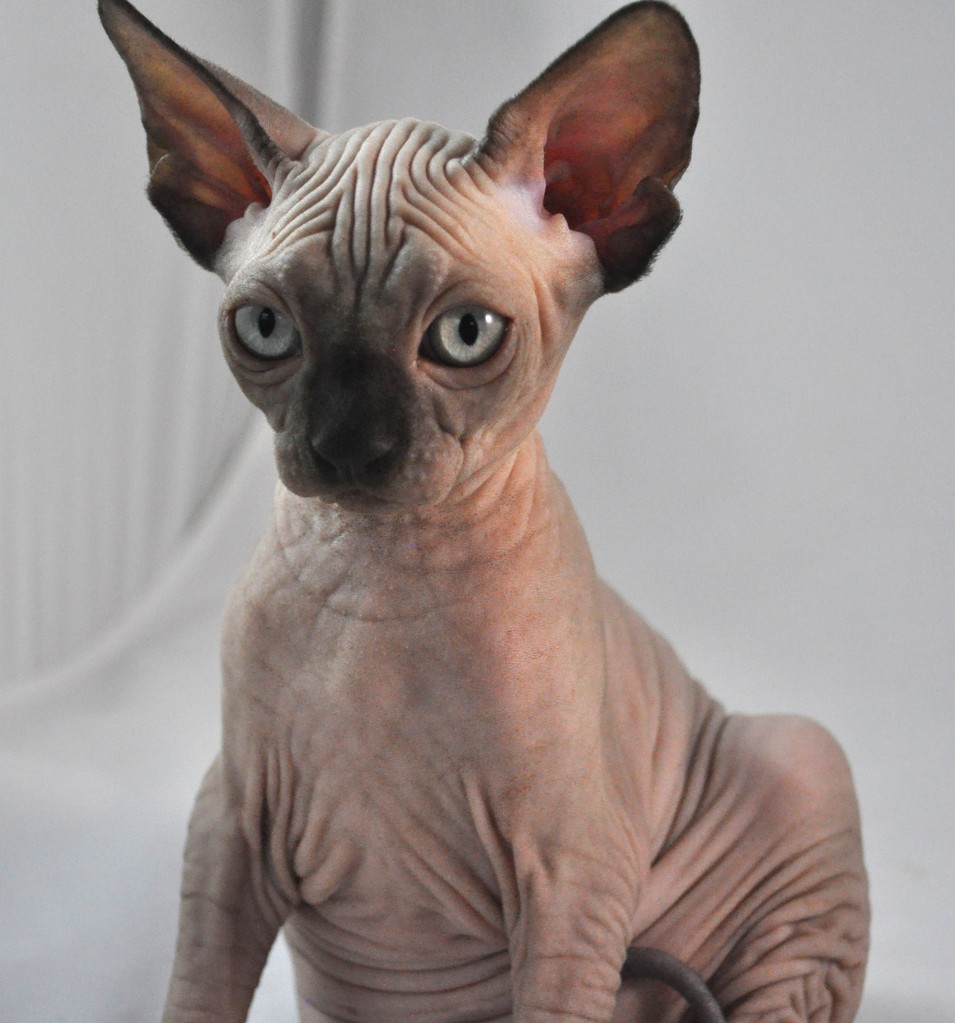
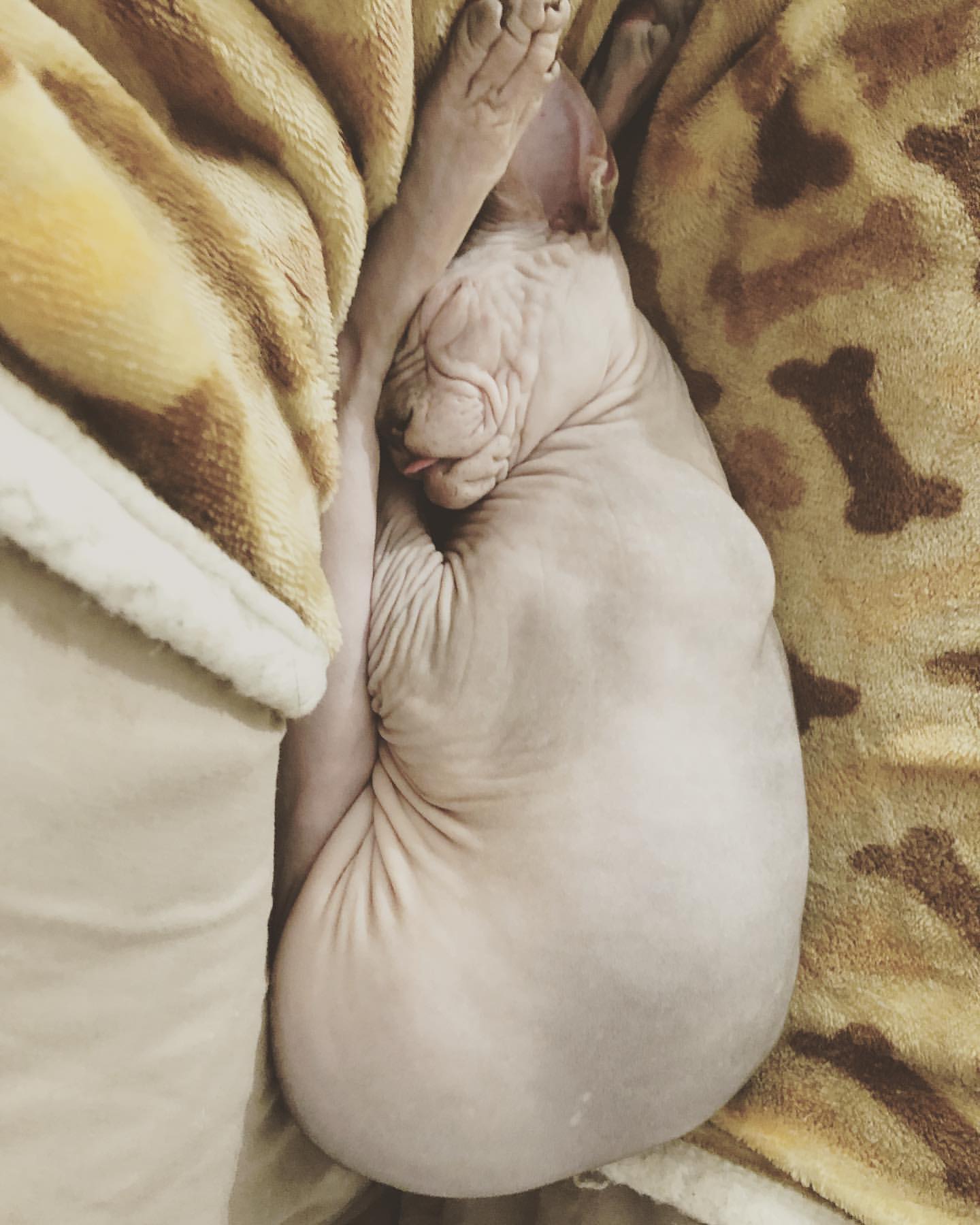
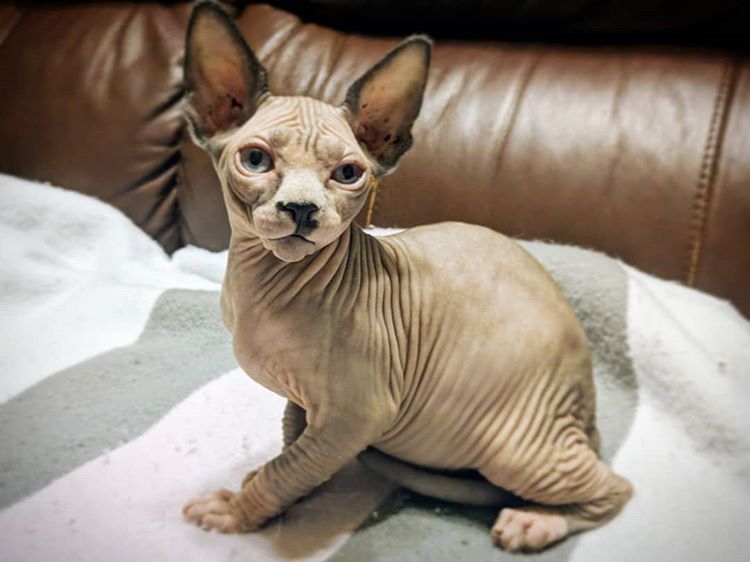
Sphynx are medium-sized, substantial cats; not fragile in any way, with lots of visible wrinkles. They have sturdy boning, good muscle development and a large, rounded belly as if they just finished a nice dinner. There is typically a fair amount of wrinkling on the head, which can give the cat a worried or inquisitive look. Other key traits include those striking lemon-shaped eyes, large, bat-like ears, thick paw pads and long, finger-like toes (perfect for kneading and making biscuits). Males are usually larger than females.
Grooming
Contrary to popular belief, the breed is not always totally hairless and skin textures/degrees of hairlessness can vary. Some short hair is usually present on the nose, ears and tail. Seasonal and hormonal changes may also affect hair development. It is often thought that Sphynx are low in allergens, because they may be tolerated by some allergic people. However, these cats have very oily skin that requires regular bathing and bathing helps reduce the amount of allergens present on the skin. A freshly bathed Sphynx is unlikely to spark severe allergy symptoms but please do understand that this does not add up to a low-allergen cat.
Life at home
The Sphynx is generally a very robust breed. However, there are some breed-specific health issues to be aware of: respiratory issues in kittens due to lack of hair, hypertrophic cardiomyopathy, a form of heart disease, hereditary myopathy, affecting muscle function and sensitive digestive systems. They are sometimes also prone to skin conditions such as urticaria pigmentosa and periodontal disease. Breeders continue to work to promote the breed and manage any health concerns. Testing for conditions such as hypertrophic cardiomyopathy has proven instrumental in helping maintain a healthy, diverse gene pool.
Breed Overview
Originating in 1966 in Toronto (not ancient Egypt), the Sphynx cat differs from other cats in looks and personality. The first wrinkled kitten was named Prune—rightfully so—and he was the unlikely result of a genetic mutation that rendered him nearly hairless, according to the Sphynx Cat Club. Though they look like cute, hairless cats, Sphynxes have a thin coat of downy fur that makes them feel like a warm peach. This means Sphynx cats are low shedders, but if you’re seeking a hypoallergenic cat, there’s actually no such thing: Allergens are found in skin and saliva, not just cat fur.
Care Guide
The Sphynx’s hallmark looks aren’t the only features that set them apart from other breeds. Besides their head-turning birthday suits, Sphynx cats have a lovable dog-like personality. They’re social cats who would rather spend all day, every day with their favorite human than exercise their independence. They’re also intelligent cats and have an insatiable sense of curiosity, making them seem like class clowns. While a low-shedding cat might sound like the right fit for you, the Sphynx comes with their fair share of special care. Rather than daily brushing, Sphynxes require a high-quality diet and routine baths to prevent oily skin.