Origin
Russia
Lifespan
14–18 years
Weight
1–3 kg
Group
Shorthair
Personality
Colors & Patterns
All Colors · Colorpoint · Tabby
Toybob
About This Breed
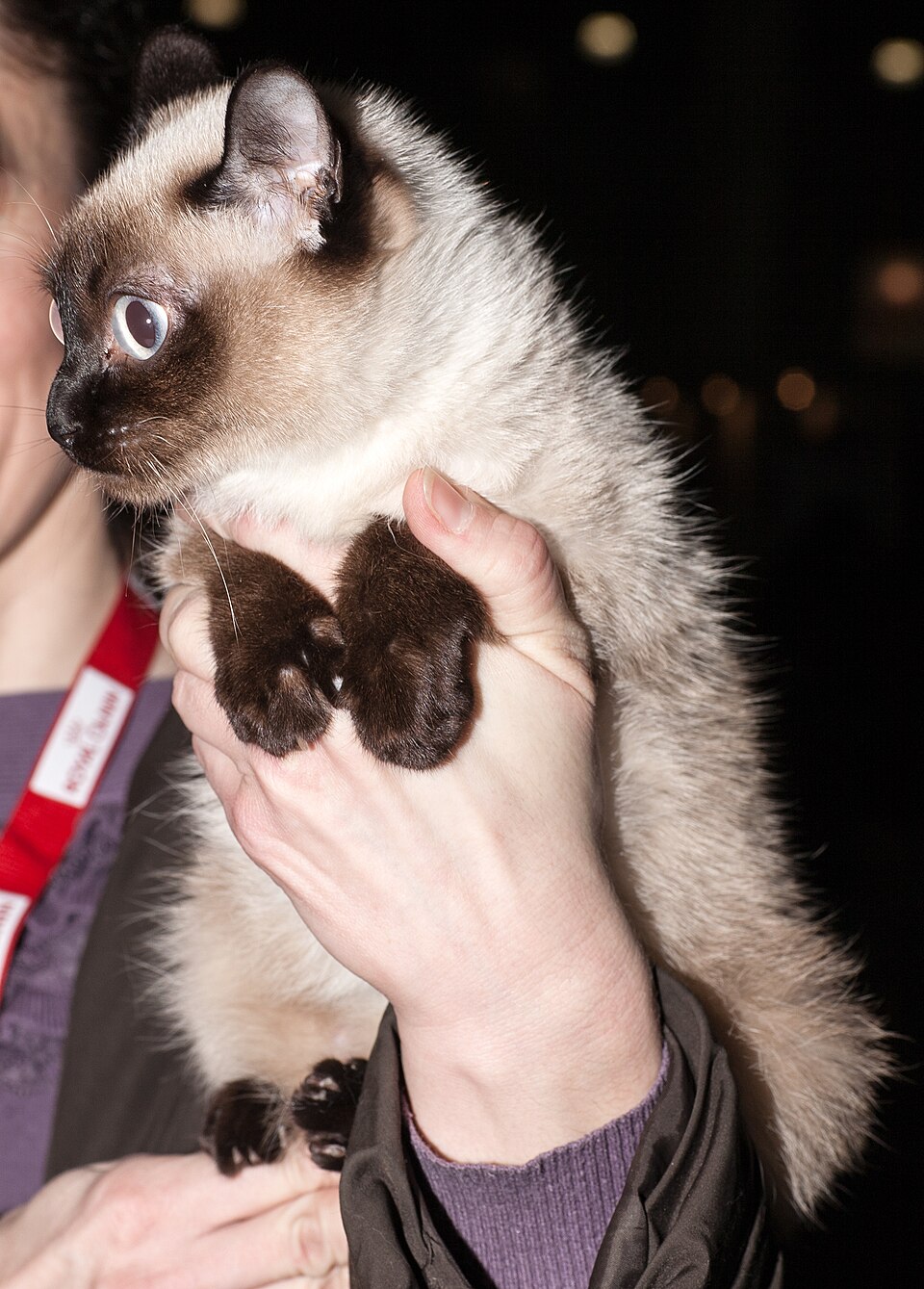
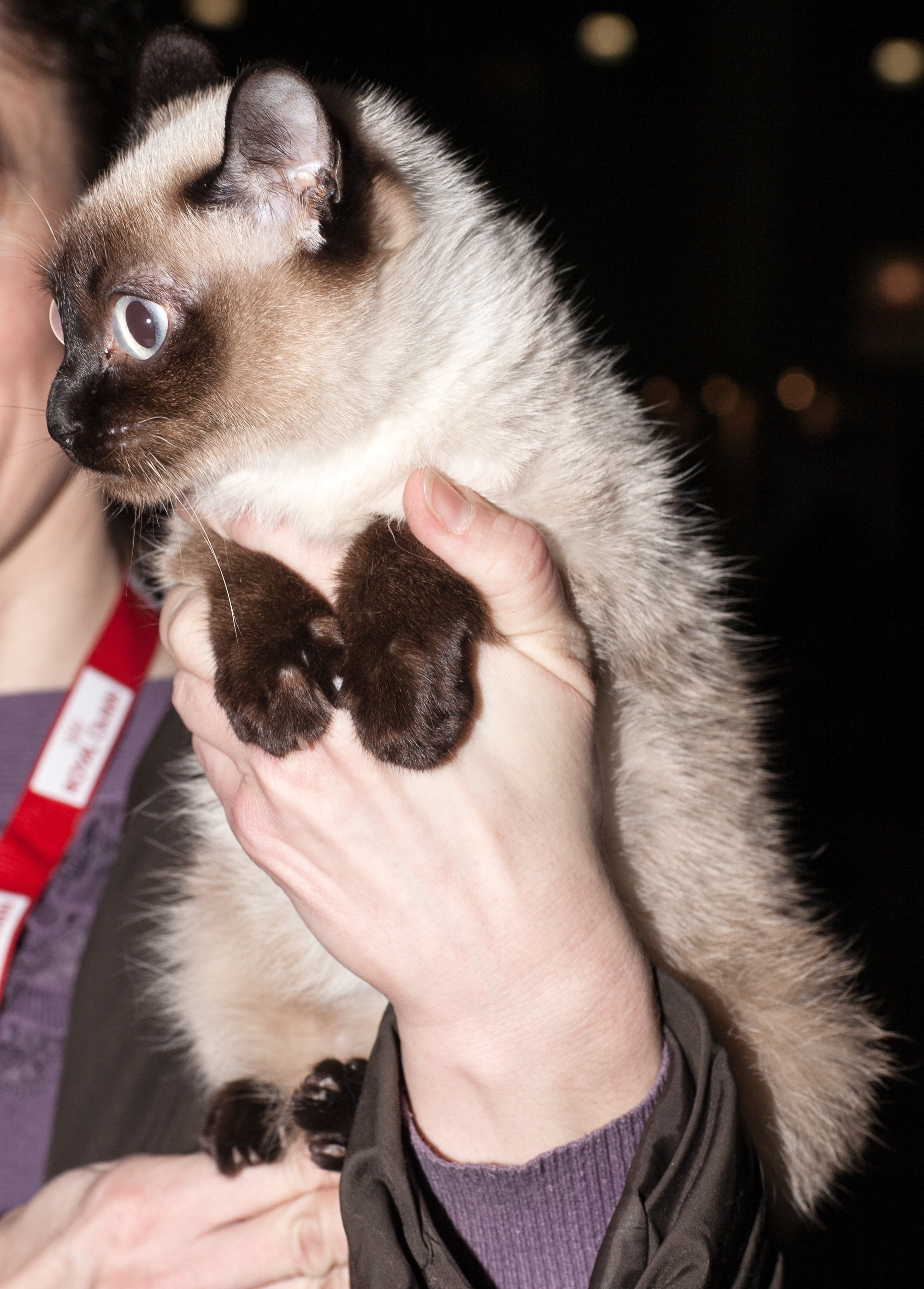
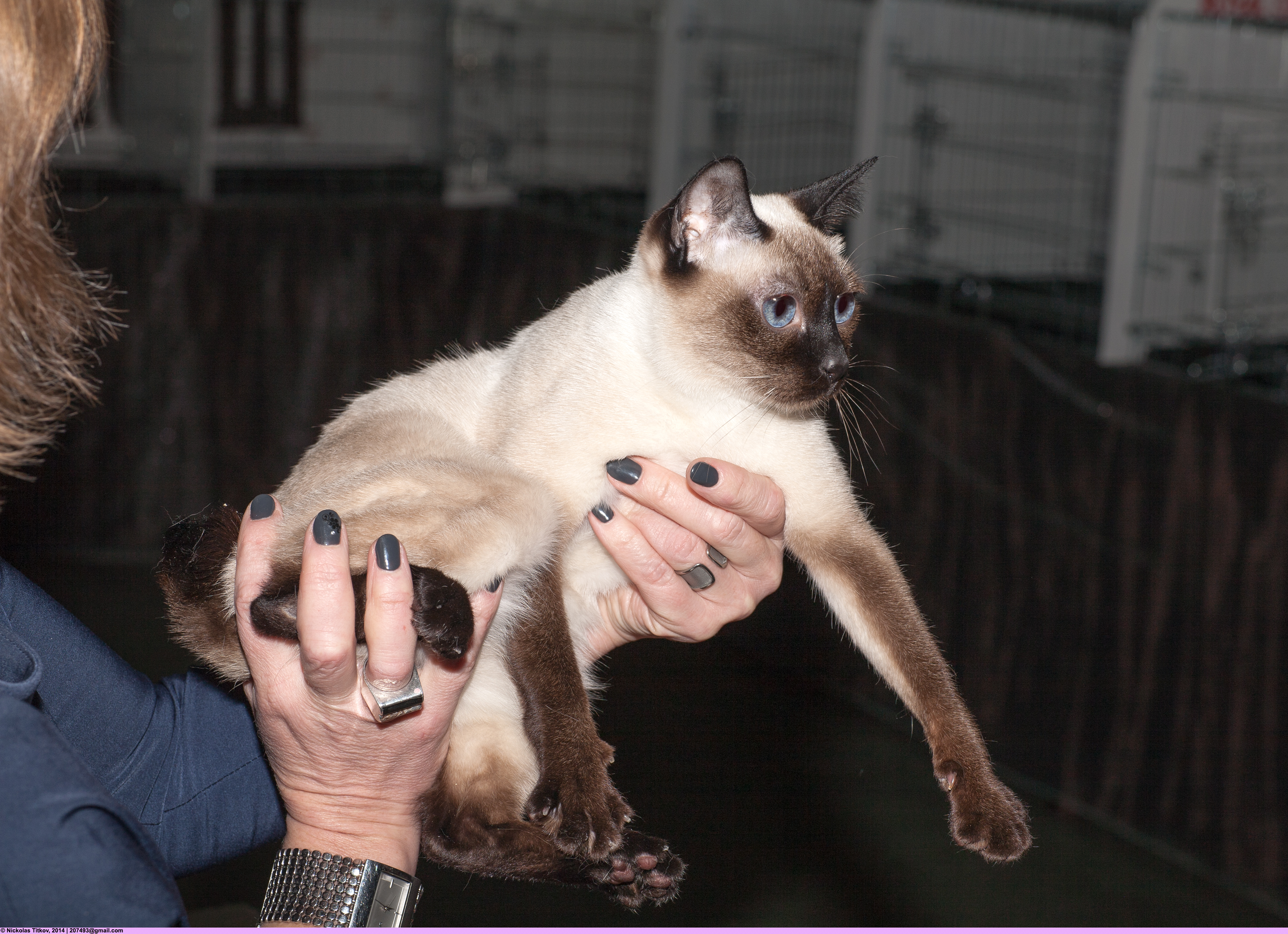
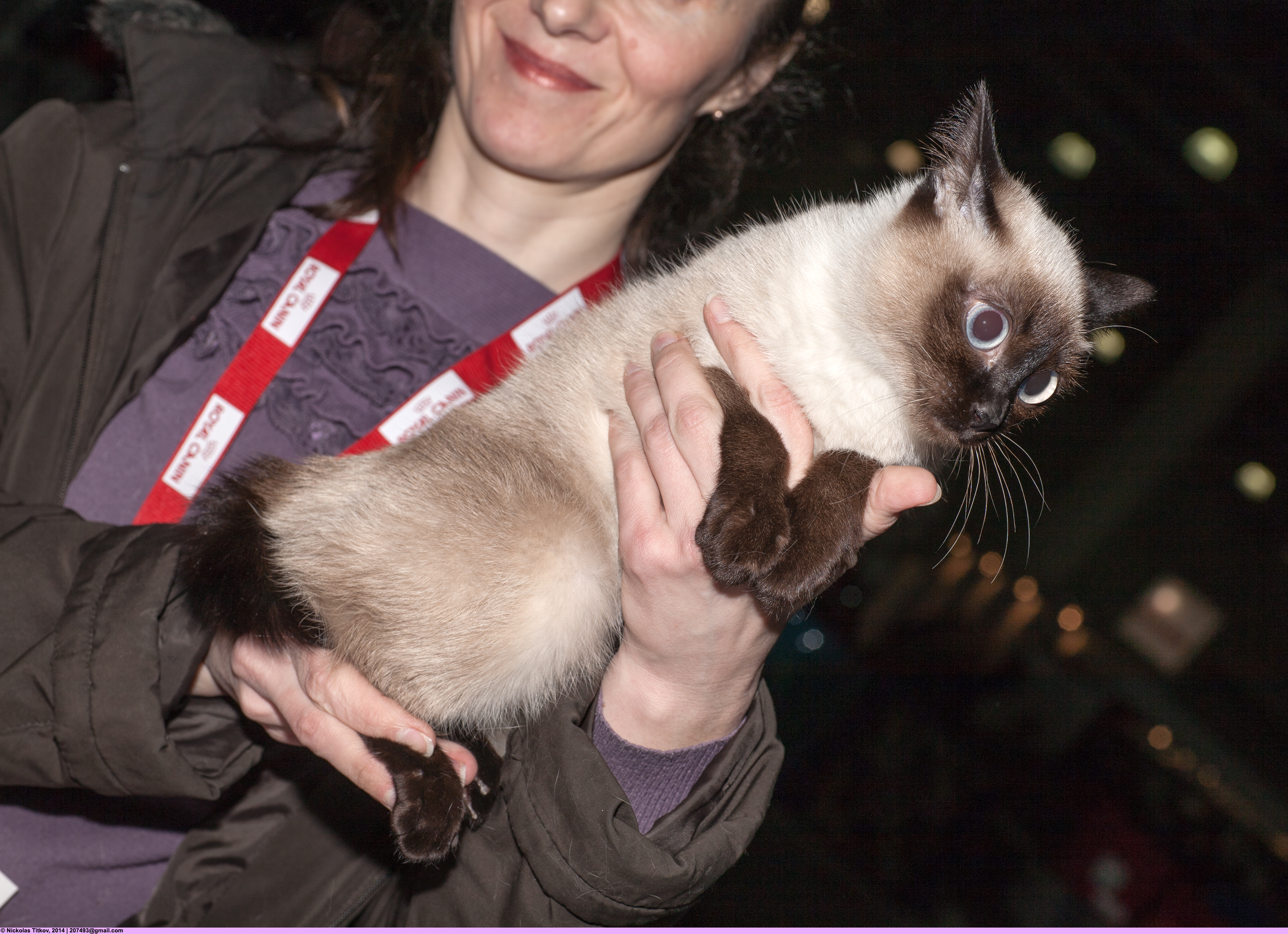
The Toybob is one of the smallest cat breeds in the world, originating from Russia. Despite its tiny size, it has a compact, muscular body and a naturally short, kinked tail. The breed was first documented in the Rostov region of Russia in 1983. Toybobs retain their kitten-like appearance and size throughout their lives, rarely exceeding three kilograms. They are gentle, even-tempered cats that get along well with people and other animals.
Characteristics
Scores describe general breed tendencies, not an individual animal. A higher score means more of the named trait or need; it does not always mean better.
Life with a Toybob
Origin
| Origin | Russia |
| Group | Shorthair |
For the breed’s history, see the reference sources and Wikipedia link below.
Size and coat
| Weight | 1–3 kg |
| Lifespan | 14–18 years |
| Colors & Patterns | All Colors · Colorpoint · Tabby |
These are approximate adult ranges. Individual animals may be smaller or larger.
Temperament
| Personality | Affectionate · Playful · Calm · Sweet · Social |
Often enjoys a mix of activity and rest.
Often seeks company and attention. Allow time together and help it get used to short periods alone.
Coat care
Usually needs relatively little coat care. Brush as needed for its coat and shedding.
Usually sheds relatively little. Low shedding does not mean an animal cannot cause allergies.
Living together
Often adjusts to changes fairly well, though a gradual introduction still helps.
Often gets along with children, but an adult should still supervise their time together.
Often gets along with other pets. Introduce them gradually rather than assuming they will be friends.
Health and lifespan
A lifespan range is not a prediction for an individual animal. Breed scores cannot diagnose illness or replace a veterinary assessment.
Offer places to climb, hide, scratch, and rest. Try different toys to see what your cat enjoys.
More from breed and care sources
Excerpts from the linked sources. Read the original for full details.
About the Breed
Who doesn’t love a kitten? The naturally small size of a Toybob gives it a kittenish charm that it will never outgrow. With its adorable kinked, bobbed tail and large soulful eyes, these cats have such a sweet, appealing look that you immediately want to pick them up and cuddle them. No wonder this diminutive breed—one of the smallest known cat breeds—is increasing in popularity all over the world. Most frequently seen in the pointed pattern, Toybobs may be any possible color. It’s the size and shape of this breed that’s important, rather than the color.
Breed History
The Toybob’s story started in Russia in 1983, when Elena Krasnichenko bred two stray cats, one with a short, kinked tail and one with a curled bobtail. One of the offspring, a male named Kutciy, was taken to a cat show in 1989; although fully grown, he was mistaken for a kitten and inspired the name, “Toybob.” Development of the breed continued in Russia throughout the 1990s, with some breeders broadening the gene pool by adding in carefully chosen domestic cats. The first Toybob was brought to the United States in 2004. The formation of the International Toybob Cat Club in 2015 brought breeders from across the country together, working in close cooperation to create a unified standard and achieve recognition of the breed. CFA accepted Toybobs for registration in 2019 and advanced it to championship status in 2025.
Character & Temperament
Perky and playful, the Toybob is interactive but not overly active and may sometimes choose to stay snuggled in your lap rather than chase a toy. Once you get up, however, it will follow you anywhere you go with a gentle touch of supervising curiosity. These cats are not only intelligent but also docile and affectionate, making them a wonderful pet for families with children and senior citizens. They enjoy their creature comforts, such as soft pillows and warm blankets, and may sleep under the covers with you. Because they are so sociable, Toybobs typically get along well with other pets and appreciate their company. They do not like being left alone for long periods of time, so if no one will be home during the day, you may wish to consider a pair. Toybobs are not particularly vocal, but have a large repertoire of unique sounds, including chirps, trills, and purrs, as well as the occasional meow.
Physical Appearance
Despite their small size, these cats do not look or feel delicate. Their bodies are compact and muscular, with a broad ribcage and strong boning. The head is a modified wedge shape, slightly longer than its width, with rounded cheekbones that curve inward to create a slight whisker pinch and set off the rounded muzzle. Then there are those large, rounded eyes, set well apart, giving the cat a sweet, expressive look. The bobbed tail, which should be at least two vertebrae in length, does not affect the cat’s agility or health. The coat may be either short or semi-long, both with a dense, plush texture that is wonderful to run your fingers through.
Grooming
Toybobs are not heavy shedders but do change their coats seasonally, so it’s wise to accustom them to regular grooming—which they should quickly learn to enjoy. Grooming is also a bonding experience between you and the cat. The shorthair coat should be brushed once a week. The longhair coat, which rarely mats or tangles, also benefits from weekly attention but is best groomed with a steel comb. Bathing should not be necessary unless your cat is being shown.
Life at home
This breed enjoys a very high level of genetic diversity and to date, no breed-specific health issues have been identified. Most breeders are committed to managing the health of their breeding cats and kittens, and will help you learn how to care for your cat to ensure it has a long life. Breeders continue to work together to promote the breed and increase its visibility to help it advance to championship status in CFA.