Origin
Turkey
Lifespan
12–18 years
Weight
2–5 kg
Group
Longhair
Personality
Colors & Patterns
White · Black · Blue · Red · Cream · Tabby · Bicolor
Turkish Angora
About This Breed
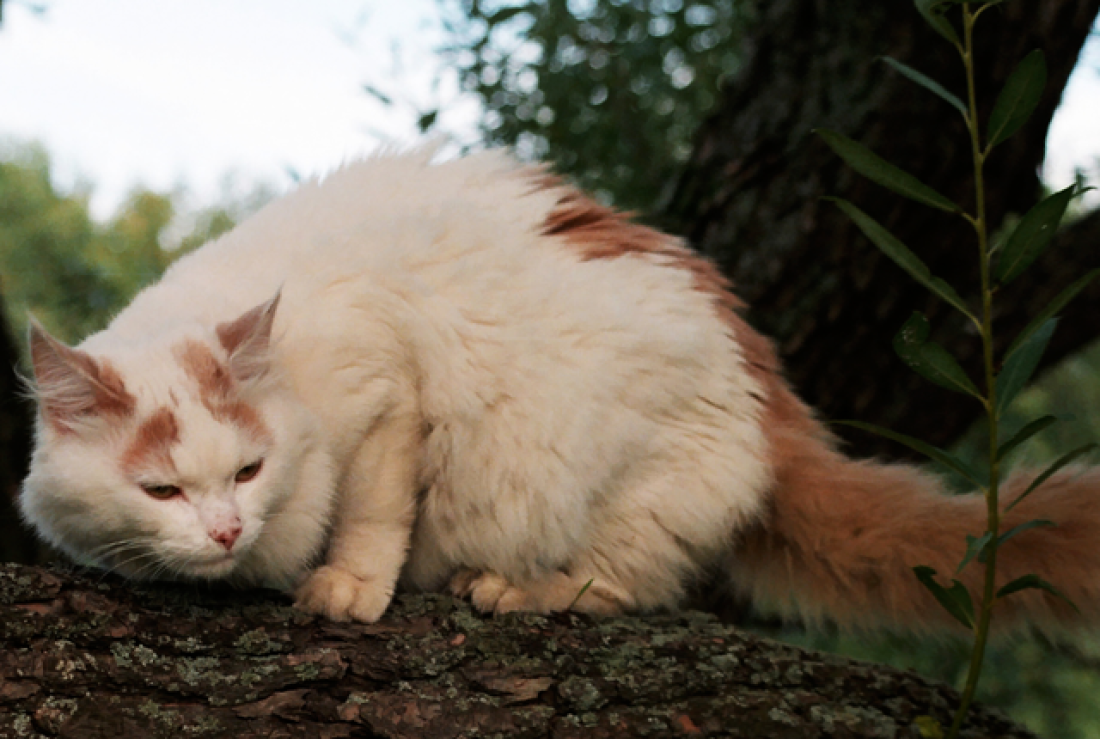
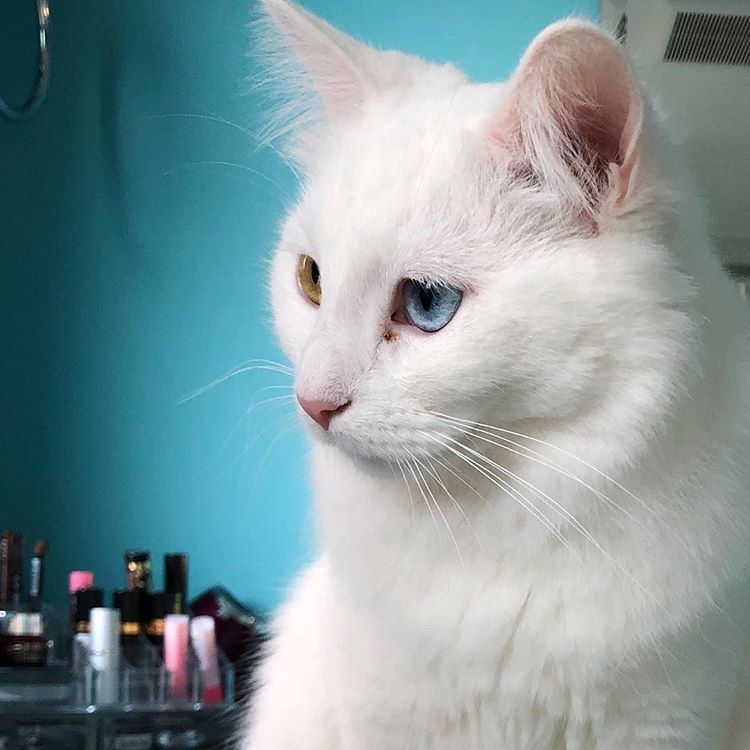
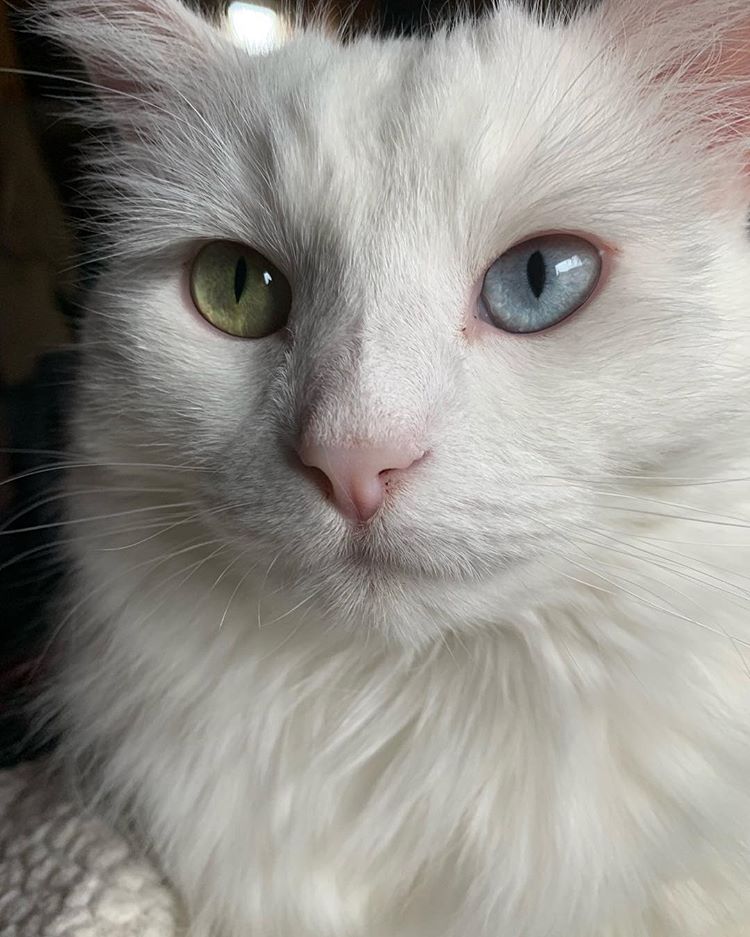
The Turkish Angora is a breed of domestic cat. Turkish Angoras are one of the ancient, naturally occurring cat breeds, having originated in central Turkey, in the Ankara region. The breed has been documented as early as the 17th century. They are known for their silky medium-length coat. White is the most common and show-prized colour variety, with blue or amber eyes or odd-eyes being particularly prized by breeders.
Characteristics
Scores describe general breed tendencies, not an individual animal. A higher score means more of the named trait or need; it does not always mean better.
Life with a Turkish Angora
Origin
| Origin | Turkey |
| Group | Longhair |
For the breed’s history, see the reference sources and Wikipedia link below.
Size and coat
| Weight | 2–5 kg |
| Lifespan | 12–18 years |
| Colors & Patterns | White · Black · Blue · Red · Cream · Tabby · Bicolor |
These are approximate adult ranges. Individual animals may be smaller or larger.
Temperament
| Personality | Playful · Intelligent · Social · Active · Affectionate |
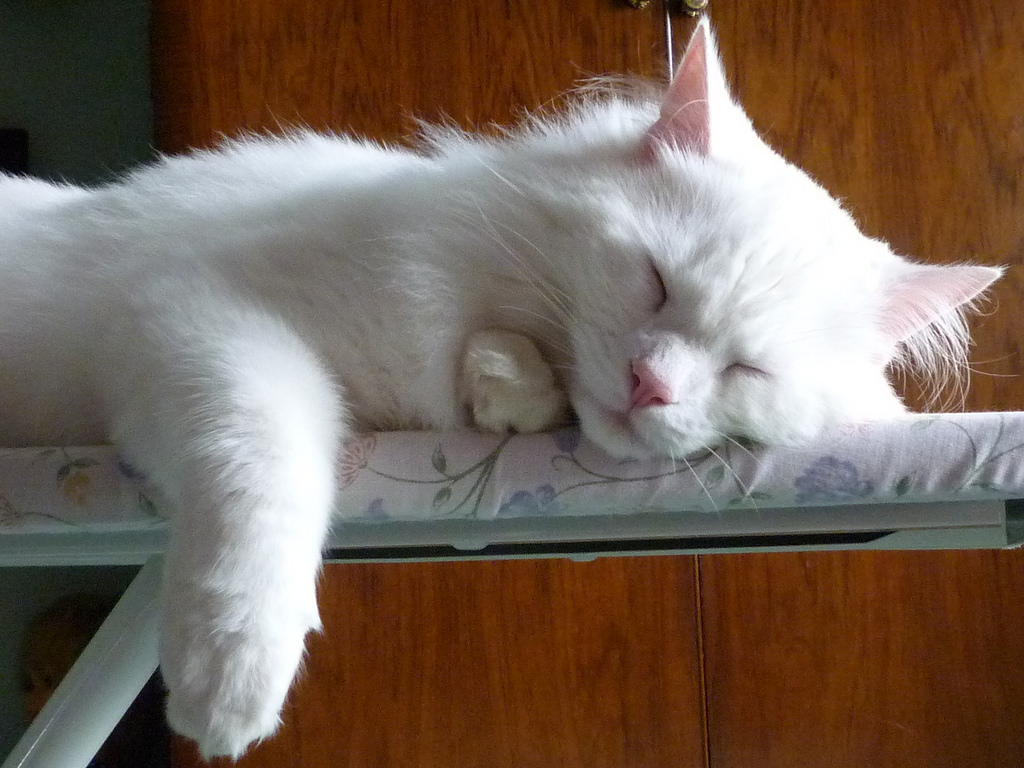
Usually active. Make time for play, exercise, and activities that keep it interested.
Often seeks company and attention. Allow time together and help it get used to short periods alone.
Coat care
Regular brushing helps remove loose hair and prevent tangles.
Some shedding is expected, and it may change with the season.
Living together
Often adjusts to changes fairly well, though a gradual introduction still helps.
Often gets along with children, but an adult should still supervise their time together.
Often gets along with other pets. Introduce them gradually rather than assuming they will be friends.
Health and lifespan
A lifespan range is not a prediction for an individual animal. Breed scores cannot diagnose illness or replace a veterinary assessment.
Offer places to climb, hide, scratch, and rest. Try different toys to see what your cat enjoys.
More from breed and care sources
Excerpts from the linked sources. Read the original for full details.
About the Breed
A national treasure in its native land, the rare and beautiful Turkish Angora is the oldest known longhair breed and is most likely an ancestor of other longhair breeds. Graceful, elegant and refined, the Turk is a study in contradictions; although delicate in appearance, it is possessed of both muscular strength and a very strong will. Turk owners and breeders will warn you that these cats are only loosely connected to the earth, and are more likely to be found on top of the tallest cabinet in the house than on the ground, so “If you can’t find your Turk, look up!”
Breed History
The breed’s written history goes back to the 1600s, when they were brought to Europe from the Middle East. Popular in France, they are believed to have been among Marie Antoinette’s pets. With the rise of the cat fancy in England, however, Turkish Angoras were interbred so closely with Persians that the breed virtually disappeared. Realizing that its national breed was at risk of extinction, the Turkish government established preservation breeding programs at zoos during the 1930s. Only the white cats—which have always been the most popular—were considered authentic. So, when the first Turkish Angoras arrived in the U.S., in 1954, the breed was considered an all-white breed. Today, Turkish Angoras are found in virtually every color, except for chocolate, lilac and the pointed pattern, which are not eligible for registration.
Character & Temperament
While the typical Turkish Angora is quite intelligent, experienced breeders have found that there can be a wide range of intelligence levels. Some cats are so bright that owners call them “Einsteins” while others sometimes forget where the food dish is. Whatever their intelligence level, though, Turks are undoubtedly one of the most interactive and affectionate of all breeds. They want to be not only your constant companions, but your enthusiastic and determined assistants. Once a Turkish Angora enters your household, you will never again do anything without “help.” Independent enough to stay home alone while their people are at work or at school, Turkish Angoras will be at the door to share all the details of their day as soon as someone comes home. It’s no wonder they are often called “doglike.” With their loving natures and tolerance for frequent physical contact, they make wonderful pets for young children and will entertain guests with their antics. Point a laser light on the wall and your Turk (even if it IS an “Einstein”) will try to defy gravity and chase it up the vertical surface.
Physical Appearance
Physically, these cats are small to medium-sized, with noticeably long bodies, legs to match, and a richly plumed tail. Their extra-large, erect ears, set high on the head, give them a “bunny rabbit” look and are one of their most prominent features. Their almond-shaped eyes can be any color, from blue to green to amber to copper. Odd eyes often occur and are especially prized. Turks have a two-plane profile, a medium-long wedge-shaped head, and a coat texture so soft and silky that you need to feel it to believe it.
Grooming
The single coat is not prone to matting, making this breed one of the easiest longhair cats to care for. Combing two or three times a month should be sufficient to control shedding in younger cats, but may be needed more frequently with older ones. If bathing is necessary, it is likely to be tolerated well, as Turks have a natural affinity for water. Dripping faucets fascinate them, and some cats have voluntarily joined their owners in the shower!
Life at home
Turks are not known for any specific health problems. However, white cats can be prone to deafness, especially blue-eyed cats. It is important to always breed white cats to colored cats in order to reduce the possibility of a deaf kitten, and in some parts of the world, it is a requirement that white kittens undergo a BAER hearing test to ensure that they are not deaf. Choosing a colored Turkish Angora avoids any concern about deafness, and because no additional testing is needed, they may be less expensive than white cats.
Breed Overview
The Turkish Angora is a stunning cat breed, known for elegance, intelligence, and loyalty. Like the onscreen personality of Duchess in the Disney classic "The Aristocats," Turkish Angoras are poised, carrying themselves with pride. But like little kitten Marie, they can also be headstrong, if not downright bossy. The Turkish Angora breed nearly disappeared in the early 1900s when cat breeders crossbred them to improve the coats of the Persian cat breed. But the people of Turkey, considering the Turkish Angora their crown jewel, refused to let that happen.
Care Guide
Turkish Angoras make great family pets. That said, it’s important to teach kids how to interact with their Angora, as these Turkish cats tend not to like to be held for more than a few minutes at a time. While not your typical docile lap cat, Turkish Angoras thoroughly enjoy the company of their human companions and other furry family members. They tend not to shy away from welcoming strangers at the door. As long as they have plenty of toys and activities to keep them entertained, Angora cats thrive in both homes and apartments. Angoras might give the impression of being high-maintenance, but their silky fur tends to remain free of mats. Nevertheless, brushing your Turkish Angora a few times a week will keep their coat and skin in good condition. While bathing isn't obligatory, you may discover that this water-loving cat enjoys bonding over an occasional bath.