Origin
Japan
Lifespan
10–13 years
Weight
32–59 kg
Height
61–67 cm
Personality
Colors & Patterns
White · Brindle · Pinto · Red Fawn · Sesame
Akita
About This Breed
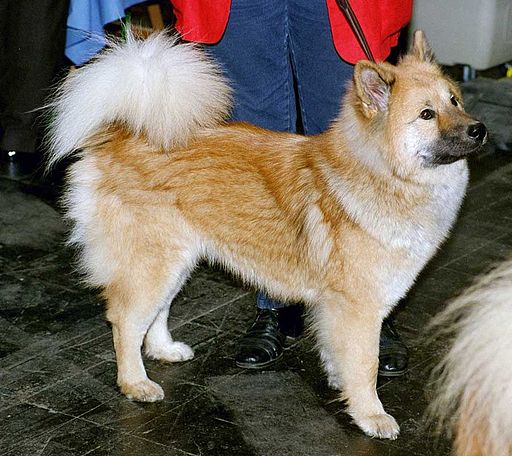
The Akita is a large breed of dog originating from the mountainous northern regions of Japan. There are two separate varieties of Akita: a Japanese strain, commonly called 'Akita Inu' or 'Japanese Akita', and an American strain, known as the 'Akita' or 'American Akita'. The most famous Akita is Hachikō, who waited for his deceased owner at Shibuya Station every day for nine years. Akitas are loyal, noble, and aloof with strangers but deeply devoted to family.
Characteristics
Scores describe general breed tendencies, not an individual animal. A higher score means more of the named trait or need; it does not always mean better.
Life with a Akita
Origin
| Origin | Japan |
| Group | Working |
For the breed’s history, see the reference sources and Wikipedia link below.
Size and coat
| Weight | 32–59 kg |
| Lifespan | 10–13 years |
| Height | 61–67 cm |
| Colors & Patterns | White · Brindle · Pinto · Red Fawn · Sesame |
These are approximate adult ranges. Individual animals may be smaller or larger.
Temperament
| Personality | Loyal · Docile · Composed · Responsive · Friendly |
Usually active. Make time for play, exercise, and activities that keep it interested.
Often seeks company and attention. Allow time together and help it get used to short periods alone.
Coat care
Regular brushing helps remove loose hair and prevent tangles.
Can shed a lot. Regular brushing can help manage loose hair.
Living together
A familiar routine can help it settle in.
Often gets along with children, but an adult should still supervise their time together.
Introductions to other pets may take time. Provide separate spaces.
Training and activities
Practice in short sessions and reward the behavior you want.
Choose walks, sniffing games, and play to suit the dog’s age and health. Allow rest as well.
A lifespan range is not a prediction for an individual animal. Breed scores cannot diagnose illness or replace a veterinary assessment.
More from breed and care sources
Excerpts from the linked sources. Read the original for full details.
Breed Overview
The Akita is a Japanese dog breed that originally worked as a hunting dog. They’re designated as a national monument in Japan and are often associated with good health. According to the Akita Club of America, families are often gifted a statue of an Akita dog after a new baby is born or if a family member is sick. The breed is famous for the story of Hachiko, an Akita who loyally waited nine years at a train station for his pet parent who had died. Caring for an Akita Akitas look a lot like Shiba Inu dogs: a foxlike face; pointed triangle-shaped ears; a thick, plush coat; and a fluffy tail that curls over their back.
Care Guide
Akitas look a lot like Shiba Inu dogs: a foxlike face; pointed triangle-shaped ears; a thick, plush coat; and a fluffy tail that curls over their back. But unlike 20-pound Shibas, the Akita’s size is large—they weigh 70–130 pounds and stand 24–28 inches tall. Akitas are strong-willed dogs bred to work independently. Because of this, they require consistent training and socialization from a young age to thrive. An experienced pet parent is best for raising an Akita puppy. Akitas can be sensitive to heat because of their thick coat, so they would do best in a cooler climate.