Origin
United Kingdom
Lifespan
11–16 years
Weight
8–10 kg
Height
38–43 cm
Personality
Colors & Patterns
Blue · Liver · Sandy · Tan
Bedlington Terrier
About This Breed
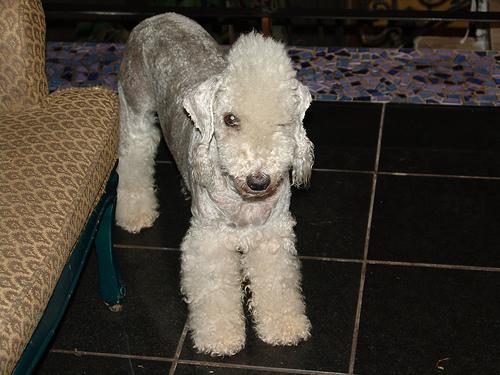
The Bedlington Terrier is a distinctive breed resembling a small lamb with its curly, linty coat and arched back. Despite their gentle appearance, they are spirited terriers with surprising speed and endurance.
Characteristics
Scores describe general breed tendencies, not an individual animal. A higher score means more of the named trait or need; it does not always mean better.
Life with a Bedlington Terrier
Origin
| Origin | United Kingdom |
| Group | Terriers |
For the breed’s history, see the reference sources and Wikipedia link below.
Size and coat
| Weight | 8–10 kg |
| Lifespan | 11–16 years |
| Height | 38–43 cm |
| Colors & Patterns | Blue · Liver · Sandy · Tan |
These are approximate adult ranges. Individual animals may be smaller or larger.
Temperament
| Personality | Gentle · Loyal · Spirited · Good-tempered |
Usually active. Make time for play, exercise, and activities that keep it interested.
Often seeks company and attention. Allow time together and help it get used to short periods alone.
Coat care
Coat care can take more time. Check for tangles and choose a brushing routine that suits the coat.
Usually sheds relatively little. Low shedding does not mean an animal cannot cause allergies.
Living together
Often adjusts to changes fairly well, though a gradual introduction still helps.
Often gets along with children, but an adult should still supervise their time together.
Introduce other pets gradually and watch how each animal responds.
Training and activities
May learn quickly. Keep sessions varied and practice calmly around distractions.
Choose walks, sniffing games, and play to suit the dog’s age and health. Allow rest as well.
A lifespan range is not a prediction for an individual animal. Breed scores cannot diagnose illness or replace a veterinary assessment.
More from breed and care sources
Excerpts from the linked sources. Read the original for full details.
Breed Overview
“Is that a lamb?” You might hear this question from time to time if you’re the pet parent of a Bedlington Terrier. This unique and elegant breed is known for their distinctive lamb-like appearance, thanks to their curly fur, arched back, and thin tail. Originally bred in the mining town of Bedlington in Northumberland, England, these medium-size terriers were initially used for hunting vermin. But, over time, they became popular as companions due to their gentle nature and loyalty. The breed has a soft and curly coat with a distinctive topknot, a pear-shaped head, a narrow skull, a tapering muzzle, and almond-shaped eyes.
Care Guide
The Bedlington Terrier’s temperament is charming, loving, and loyal; they’re known for their gentle and affectionate nature. Bedlingtons tend to form strong bonds with their family, but they may be reserved and cautious around strangers. Consistent socialization is important for Bedlington Terrier puppies to grow comfortable around new people. Though Bedlingtons are calm at home, they are still terriers and were originally bred to work. They have a strong prey drive that might lead them to chase small animals, like rabbits, squirrels, and sometimes cats, so proper training and supervision are essential. Bedlington Terriers are a moderately active breed and enjoy regular exercise, including daily walks and playtime. Due to their unique appearance and distinctive coat, this breed requires regular grooming from puppyhood to maintain their appearance and prevent matting. A Bedlington’s coat needs to be brushed several times a week and clipped every two months or so, either by a professional groomer or a knowledgeable pet parent.