Origin
Belgium/United Kingdom
Lifespan
10–12 years
Weight
36–50 kg
Height
— cm
Personality
Colors & Patterns
Black and Tan · Liver and Tan · Red
Bloodhound
About This Breed
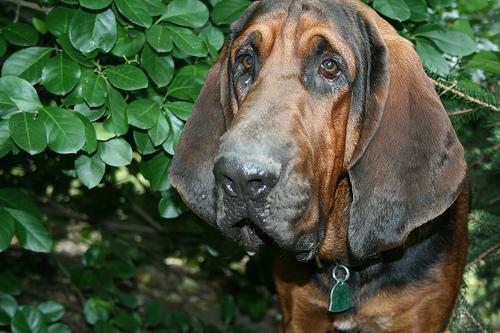
The Bloodhound is famous for its exceptional scenting ability, used to track humans and animals with a nose that is among the most sensitive in the animal kingdom. Their wrinkled skin and long, drooping ears help funnel scent particles toward their nose. Bloodhounds have given chase for over 130 miles tracking a person. They are gentle, affectionate dogs but stubbornly single-minded when on a trail. Their tracking evidence is admissible in court in the United States.
Characteristics
Scores describe general breed tendencies, not an individual animal. A higher score means more of the named trait or need; it does not always mean better.
Life with a Bloodhound
Origin
| Origin | Belgium/United Kingdom |
| Group | Hounds |
For the breed’s history, see the reference sources and Wikipedia link below.
Size and coat
| Weight | 36–50 kg |
| Lifespan | 10–12 years |
| Colors & Patterns | Black and Tan · Liver and Tan · Red |
These are approximate adult ranges. Individual animals may be smaller or larger.
Temperament
| Personality | Gentle · Affectionate · Stubborn · Tenacious · Curious |
Often enjoys a mix of activity and rest.
Often seeks company and attention. Allow time together and help it get used to short periods alone.
Coat care
Usually needs relatively little coat care. Brush as needed for its coat and shedding.
Some shedding is expected, and it may change with the season.
Living together
Often adjusts to changes fairly well, though a gradual introduction still helps.
Often gets along with children, but an adult should still supervise their time together.
Often gets along with other pets. Introduce them gradually rather than assuming they will be friends.
Training and activities
Practice in short sessions and reward the behavior you want.
Choose walks, sniffing games, and play to suit the dog’s age and health. Allow rest as well.
A lifespan range is not a prediction for an individual animal. Breed scores cannot diagnose illness or replace a veterinary assessment.
More from breed and care sources
Excerpts from the linked sources. Read the original for full details.
Breed Overview
A Bloodhound’s nose has a big reputation, and for good reason. Bloodhounds have a long history of assisting medieval nobles in tracking game, according to the American Bloodhound Club. Today, they are often employed as sleuths and are highly skilled search and rescue dogs—a Bloodhound’s trail can even be used as evidence in court. But those tracking abilities can get them into trouble at home. These fearless hounds will follow their noses after an interesting smell, which can lead them astray or into dangerous situations.
Care Guide
For centuries, Bloodhounds have been bred for their endurance, allowing them to track a scent for hours. This means they need to keep their brains and paws busy with long walks and outside playtime. And because of their tendency to wander off after a scent, Bloodhounds always need to be leashed or in a fenced-in yard. Although they’re large dogs, well-socialized Bloodhounds are generally very gentle and patient, especially when it comes to young, boisterous children. But they can be stubborn and are one of the most vocal breeds, using their deep howl to communicate with their family. Their grooming requirements are minimal due to their short, average-shedding coat. However, they do require routine care to keep their characteristically droopy ears healthy.