Origin
United Kingdom
Lifespan
8–10 years
Weight
22–25 kg
Height
31–40 cm
Personality
Colors & Patterns
Brindle · White · Fawn · Red · Piebald
Bulldog
About This Breed
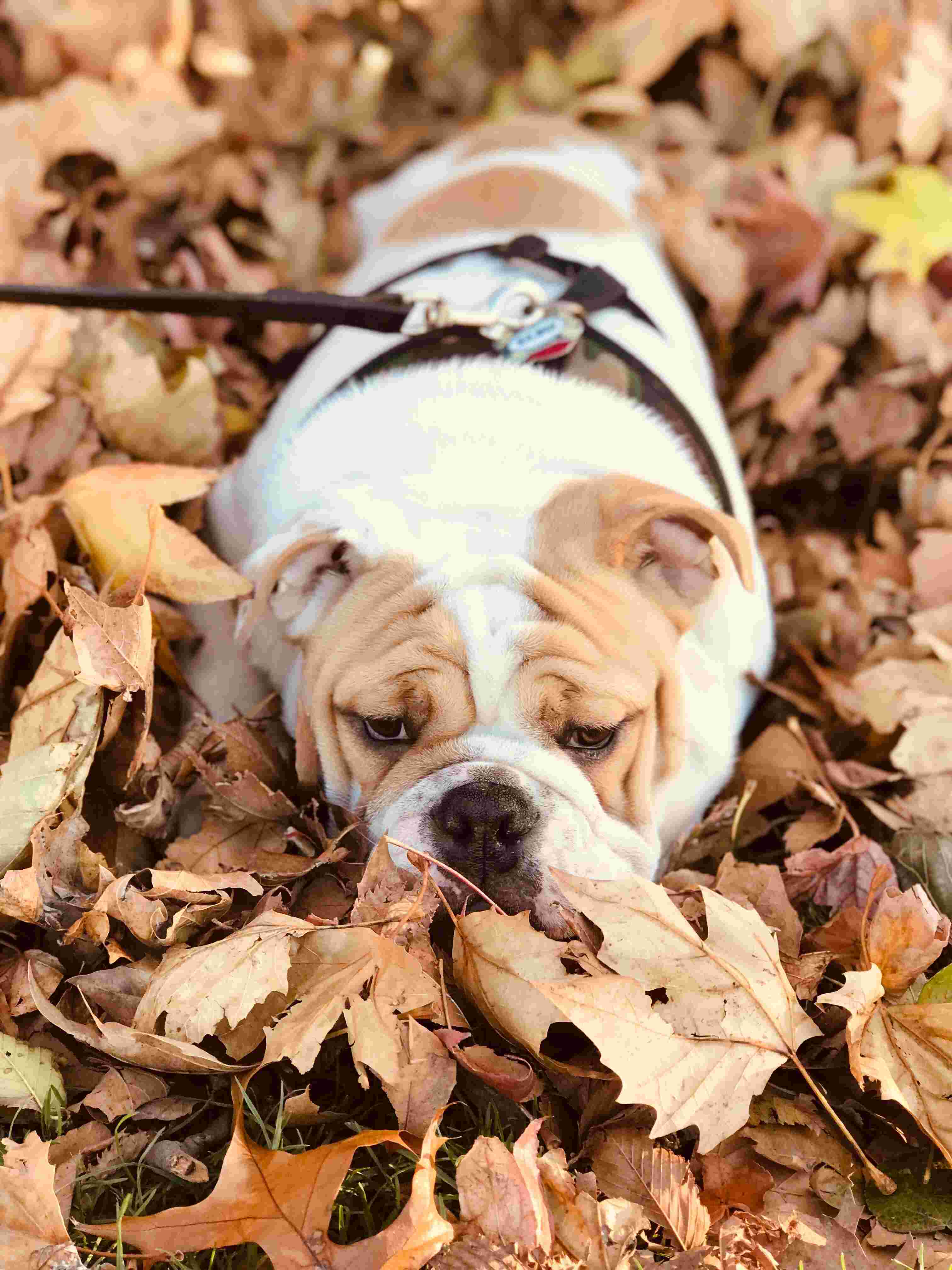
The Bulldog, also known as the English Bulldog or British Bulldog, is a medium-sized breed of dog. It is a stocky, stout dog with a wrinkled face and a short, pushed-in nose. The Bulldog is considered a national symbol of the United Kingdom. Despite its fierce historical origins in bull-baiting, modern Bulldogs are known for being friendly, calm, and patient companions. They are low-energy dogs that enjoy lounging but are loyal and courageous.
Characteristics
Scores describe general breed tendencies, not an individual animal. A higher score means more of the named trait or need; it does not always mean better.
Life with a Bulldog
Origin
| Origin | United Kingdom |
| Group | Non-sporting |
For the breed’s history, see the reference sources and Wikipedia link below.
Size and coat
| Weight | 22–25 kg |
| Lifespan | 8–10 years |
| Height | 31–40 cm |
| Colors & Patterns | Brindle · White · Fawn · Red · Piebald |
These are approximate adult ranges. Individual animals may be smaller or larger.
Temperament
| Personality | Friendly · Courageous · Calm · Loyal · Docile |
Usually fairly calm, but still needs daily play and activity.
Often seeks company and attention. Allow time together and help it get used to short periods alone.
Coat care
Regular brushing helps remove loose hair and prevent tangles.
Some shedding is expected, and it may change with the season.
Living together
Often adjusts to changes fairly well, though a gradual introduction still helps.
Often gets along with children, but an adult should still supervise their time together.
Often gets along with other pets. Introduce them gradually rather than assuming they will be friends.
Training and activities
Practice in short sessions and reward the behavior you want.
Choose walks, sniffing games, and play to suit the dog’s age and health. Allow rest as well.
A lifespan range is not a prediction for an individual animal. Breed scores cannot diagnose illness or replace a veterinary assessment.
More from breed and care sources
Excerpts from the linked sources. Read the original for full details.
Breed Overview
Bulldogs, commonly called English Bulldogs, are well known for their wide stance, muscular low profile, and short and wrinkled face, often with an underbite. Though short (at only 14–15 inches tall at the shoulder), Bulldogs weigh a sturdy 40–50 pounds. They have drooping lips with many loose skin wrinkles and folds throughout their face and neck. Bulldogs unfortunately got their start as bull-baiters and butcher’s dogs (controlling animals for slaughter), according to the Bulldog Club of America. But after generations of selective breeding, they’re now calm—even lazy—companions who make great family dogs.
Care Guide
The English Bulldog is a friendly dog who can make a wonderful family pet. But they need the right family to thrive in, and potential pet parents need to know what to expect before bringing home a Bulldog puppy. As a brachycephalic (short-nosed) breed, English Bulldogs are not well-adapted to hot climates. When it’s hot, ensure your Bulldog has access to shade, water, and AC at all times, and restrict any neighborhood walks to cooler times of the day (morning and evening). Their short snouts also mean this breed is not known for being particularly quiet—there’s lots of panting, snorting, and snoring. And their wrinkly skin will require frequent maintenance to prevent skin infections.