Origin
United Kingdom
Lifespan
10–12 years
Weight
27–36 kg
Height
58–69 cm
Personality
Colors & Patterns
Black · Liver
Curly-Coated Retriever
About This Breed
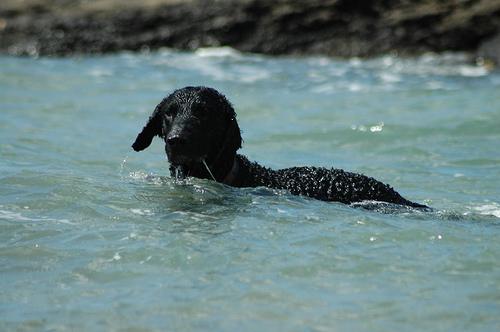
The Curly-Coated Retriever is one of the oldest retriever breeds, known for its distinctive mass of tight curls covering the body. They are versatile sporting dogs, equally adept on land and in water, with an independent yet gentle nature.
Characteristics
Scores describe general breed tendencies, not an individual animal. A higher score means more of the named trait or need; it does not always mean better.
Life with a Curly-Coated Retriever
Origin
| Origin | United Kingdom |
| Group | Sporting |
For the breed’s history, see the reference sources and Wikipedia link below.
Size and coat
| Weight | 27–36 kg |
| Lifespan | 10–12 years |
| Height | 58–69 cm |
| Colors & Patterns | Black · Liver |
These are approximate adult ranges. Individual animals may be smaller or larger.
Temperament
| Personality | Intelligent · Confident · Proud · Gentle |
Usually active. Make time for play, exercise, and activities that keep it interested.
Often seeks company and attention. Allow time together and help it get used to short periods alone.
Coat care
Usually needs relatively little coat care. Brush as needed for its coat and shedding.
Some shedding is expected, and it may change with the season.
Living together
A familiar routine can help it settle in.
Teach children to handle it gently and leave it alone when it rests.
Introduce other pets gradually and watch how each animal responds.
Training and activities
May learn quickly. Keep sessions varied and practice calmly around distractions.
Choose walks, sniffing games, and play to suit the dog’s age and health. Allow rest as well.
A lifespan range is not a prediction for an individual animal. Breed scores cannot diagnose illness or replace a veterinary assessment.
More from breed and care sources
Excerpts from the linked sources. Read the original for full details.
Breed Overview
Records of the first Curly-Coated Retrievers date back to the late 1700s, making this breed one of oldest known retriever breeds. They look a bit like a Golden Retriever with a curly coat: Curlies, as the dogs are often called, are named after their waterproof black or liver (brown) coat made of small, tight curls. Curly-Coated Retrievers are loyal family dogs that are extremely intelligent. They are also known for being excellent bird hunting dogs. They stand 23–27 inches tall at the shoulder and weigh 60–95 pounds.
Care Guide
Curly-Coated Retrievers are incredibly smart dogs that are easy to train using praise and treats as positive rewards. Because they’re so active, Curly-Coated Retriever puppies need to go through proper training when young, such as puppy training, socialization, and obedience training to turn them into well-behaved adult dogs. Curlies are affectionate toward their family members but can be standoffish around strangers—another reason why early and consistent socialization is so important. Their short, curly coat is easy to maintain, as it consists of a single layer. Brushing this dog breed is discouraged because it can cause the curls to become frizzy.