Origin
Germany
Lifespan
12–16 years
Weight
7–15 kg
Height
20–27 cm
Personality
Colors & Patterns
Chocolate · Red · Black and Tan · Cream · Dapple · Piebald
Dachshund
About This Breed
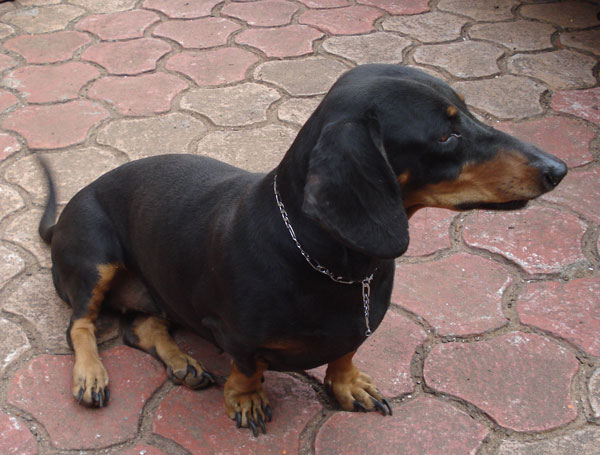
The Dachshund is a short-legged, long-bodied, hound-type dog. The standard size was developed to scent, chase, and flush out badgers and other burrow-dwelling animals, while the miniature was developed to hunt smaller prey such as rabbits. In the American West they have also been used to hunt prairie dogs. They are playful, stubborn but devoted. They come in three coat varieties: smooth, wire, and long-haired. Dachshunds are loyal companions and love to dig.
Characteristics
Scores describe general breed tendencies, not an individual animal. A higher score means more of the named trait or need; it does not always mean better.
Life with a Dachshund
Origin
| Origin | Germany |
| Group | Hounds |
For the breed’s history, see the reference sources and Wikipedia link below.
Size and coat
| Weight | 7–15 kg |
| Lifespan | 12–16 years |
| Height | 20–27 cm |
| Colors & Patterns | Chocolate · Red · Black and Tan · Cream · Dapple · Piebald |
These are approximate adult ranges. Individual animals may be smaller or larger.
Temperament
| Personality | Stubborn · Devoted · Playful · Clever · Lively |
Often enjoys a mix of activity and rest.
Often seeks company and attention. Allow time together and help it get used to short periods alone.
Coat care
Usually needs relatively little coat care. Brush as needed for its coat and shedding.
Usually sheds relatively little. Low shedding does not mean an animal cannot cause allergies.
Living together
Often adjusts to changes fairly well, though a gradual introduction still helps.
Teach children to handle it gently and leave it alone when it rests.
Introduce other pets gradually and watch how each animal responds.
Training and activities
Use short sessions and clear rewards. It may need more repetition to learn a new task.
Choose walks, sniffing games, and play to suit the dog’s age and health. Allow rest as well.
A lifespan range is not a prediction for an individual animal. Breed scores cannot diagnose illness or replace a veterinary assessment.
More from breed and care sources
Excerpts from the linked sources. Read the original for full details.
Breed Overview
Famously nicknamed the “hot dog” or “wiener dog,” Dachshunds (or Doxies, for short) are known for their long silhouette, short and muscular legs, brave and energetic personality, and for always being on the lookout. “Dachshund” comes from the German words for badger (dachs) and dog (hund), as these dogs were originally bred in 18th-century Germany to hunt badgers. Dachshunds were bred to be independent hunters of dangerous prey. Because of this, Dachshund dogs can be brave to the point of carelessness and a bit tenacious, but their charming nature and famous long-and-low body make them one of the most popular dog breeds in the U.S.
Care Guide
A Dachshund (pronounced “dakk-snd”) can be willful, headstrong, playful, and mischievous. But the breed is also smart and attentive. Dachshunds come in a wide variety of colors, patterns, and coat types. There are also two Dachshund sizes: Although they are small dogs, Dachshunds need regular exercise to stay fit and build strong muscles to support and protect their long back, which is vulnerable to injury. Dachshunds are not built for extensive jumping, twisting, or anything that puts strain on their back. To help keep your Dachshund’s back healthy and prevent injuries, try to limit their jumping by installing pet stairs or ramps near furniture and beds.