Origin
Finland
Lifespan
13–15 years
Weight
9–14 kg
Height
39–50 cm
Personality
Colors & Patterns
Golden Red · Red · Gold
Finnish Spitz
About This Breed
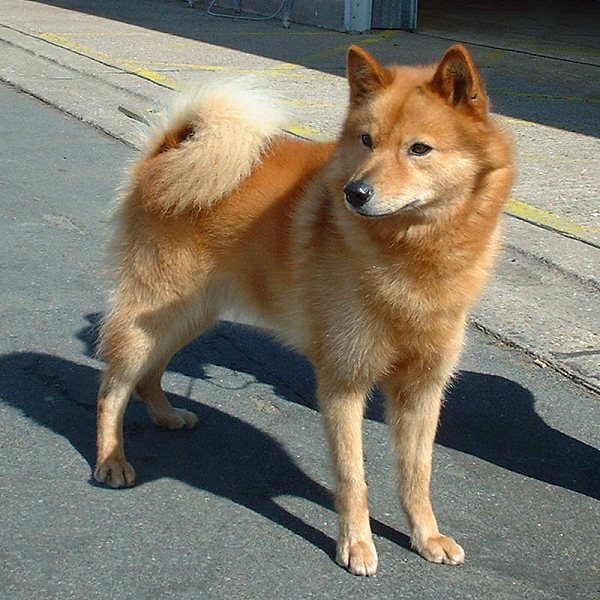
The Finnish Spitz is Finland's national dog, a fox-like breed originally used for hunting birds, particularly grouse and capercaillie. Known for their distinctive yodeling bark, they are lively and companionable with a foxlike appearance.
Characteristics
Scores describe general breed tendencies, not an individual animal. A higher score means more of the named trait or need; it does not always mean better.
Life with a Finnish Spitz
Origin
| Origin | Finland |
| Group | Non-sporting |
For the breed’s history, see the reference sources and Wikipedia link below.
Size and coat
| Weight | 9–14 kg |
| Lifespan | 13–15 years |
| Height | 39–50 cm |
| Colors & Patterns | Golden Red · Red · Gold |
These are approximate adult ranges. Individual animals may be smaller or larger.
Temperament
| Personality | Intelligent · Alert · Lively · Friendly |
Usually active. Make time for play, exercise, and activities that keep it interested.
Often seeks company and attention. Allow time together and help it get used to short periods alone.
Coat care
Usually needs relatively little coat care. Brush as needed for its coat and shedding.
Can shed a lot. Regular brushing can help manage loose hair.
Living together
A familiar routine can help it settle in.
Often gets along with children, but an adult should still supervise their time together.
Introduce other pets gradually and watch how each animal responds.
Training and activities
Practice in short sessions and reward the behavior you want.
Choose walks, sniffing games, and play to suit the dog’s age and health. Allow rest as well.
A lifespan range is not a prediction for an individual animal. Breed scores cannot diagnose illness or replace a veterinary assessment.
More from breed and care sources
Excerpts from the linked sources. Read the original for full details.
Breed Overview
Finnish Spitzes—or Suomenpystykorva, as they’re known in their native Finland—were historically used as all-purpose hunters when they arrived in Finland around 3,000 years ago, according to the Finnish Spitz Club of America (FSCA). They eventually began to specialize in hunting game birds. Finnish Spitzes arrived in the U.S. in the 1960s and were officially placed in the American Kennel Club’s non-sporting group in 1988. Finnish Spitz dogs, also known as Finnies or Finkies, stand 17.5–20 inches tall and can weigh up to 33 pounds.
Care Guide
Finnish Spitzes are known to be playful, alert, and curious dogs that are devoted to their humans. They can be strong-willed and independent like other working spitz breeds, and they can enjoy hunting. They were bred as “barking hunting dogs,” according to the FSCA, so be prepared for a talkative dog (consistent training, however, can help reduce excessive barking). Finkies are lively, active, and crave social contact. They require daily exercise like long walks or romps through the park. Their beautiful, red-tinged double coats require occasional brushing every week and more often during shedding seasons in the spring and fall. Though Finnish Spitz dogs are a Nordic breed, they do well in both hot and cold climates—though no dog should be left outside during extreme temperatures.