Origin
Ireland
Lifespan
10–15 years
Weight
14–16 kg
Height
30–36 cm
Personality
Colors & Patterns
Wheaten · Blue · Brindle
Glen of Imaal Terrier
About This Breed
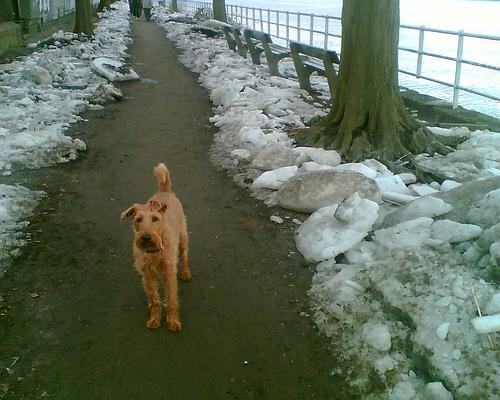
The Glen of Imaal Terrier is a sturdy, low-to-ground Irish terrier from County Wicklow's Glen of Imaal. They were historically used as turnspit dogs and badger hunters, combining toughness with a gentle, patient nature.
Characteristics
Scores describe general breed tendencies, not an individual animal. A higher score means more of the named trait or need; it does not always mean better.
Life with a Glen of Imaal Terrier
Origin
| Origin | Ireland |
| Group | Terriers |
For the breed’s history, see the reference sources and Wikipedia link below.
Size and coat
| Weight | 14–16 kg |
| Lifespan | 10–15 years |
| Height | 30–36 cm |
| Colors & Patterns | Wheaten · Blue · Brindle |
These are approximate adult ranges. Individual animals may be smaller or larger.
Temperament
| Personality | Gentle · Spirited · Brave · Patient |
Often enjoys a mix of activity and rest.
Often seeks company and attention. Allow time together and help it get used to short periods alone.
Coat care
Regular brushing helps remove loose hair and prevent tangles.
Some shedding is expected, and it may change with the season.
Living together
A familiar routine can help it settle in.
Often gets along with children, but an adult should still supervise their time together.
Introduce other pets gradually and watch how each animal responds.
Training and activities
Practice in short sessions and reward the behavior you want.
Choose walks, sniffing games, and play to suit the dog’s age and health. Allow rest as well.
A lifespan range is not a prediction for an individual animal. Breed scores cannot diagnose illness or replace a veterinary assessment.