Origin
United Kingdom
Lifespan
10–13 years
Weight
27–40 kg
Height
68–76 cm
Personality
Colors & Patterns
Black · White · Fawn · Red · Blue · Brindle
Greyhound
About This Breed
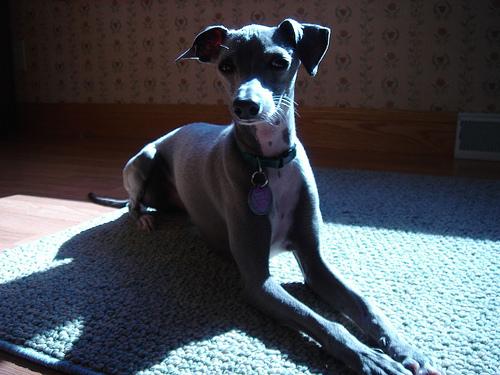
The Greyhound is the fastest dog breed, capable of reaching speeds up to 72 km/h. Despite their racing reputation, they are gentle, quiet couch potatoes at home, often described as '45 mph couch potatoes.'
Characteristics
Scores describe general breed tendencies, not an individual animal. A higher score means more of the named trait or need; it does not always mean better.
Life with a Greyhound
Origin
| Origin | United Kingdom |
| Group | Hounds |
For the breed’s history, see the reference sources and Wikipedia link below.
Size and coat
| Weight | 27–40 kg |
| Lifespan | 10–13 years |
| Height | 68–76 cm |
| Colors & Patterns | Black · White · Fawn · Red · Blue · Brindle |
These are approximate adult ranges. Individual animals may be smaller or larger.
Temperament
| Personality | Gentle · Noble · Independent · Sweet |
Often enjoys a mix of activity and rest.
Often seeks company and attention. Allow time together and help it get used to short periods alone.
Coat care
Usually needs relatively little coat care. Brush as needed for its coat and shedding.
Some shedding is expected, and it may change with the season.
Living together
Often adjusts to changes fairly well, though a gradual introduction still helps.
Often gets along with children, but an adult should still supervise their time together.
Introduce other pets gradually and watch how each animal responds.
Training and activities
Use short sessions and clear rewards. It may need more repetition to learn a new task.
Choose walks, sniffing games, and play to suit the dog’s age and health. Allow rest as well.
A lifespan range is not a prediction for an individual animal. Breed scores cannot diagnose illness or replace a veterinary assessment.
More from breed and care sources
Excerpts from the linked sources. Read the original for full details.
Breed Overview
The Greyhound is considered a sighthound, which means that they rely on speed and agility to track prey, unlike most other hounds that rely on scent and endurance. They have keen vision to detect motion and a light and lean body to sprint for the pursuit. They have been a subject of fascination for artists, poets, and kings for thousands of years because of the lean “inverted S” shape of their bodies, which gives them the ideal figure for speed. Their independent spirit is balanced with their gentle and sweet-tempered personalities, which make them wonderful companions in the home.
Care Guide
Greyhounds have been bred for their speed and sight hunting abilities, so they have a high energy level and a hunting drive. They do not need constant exercise, but they do need routine exercise to keep them mentally stimulated and happy. Greyhounds have a very strong prey drive, so they aren’t ideal for homes with cats or other small animals. When spending time outdoors a Greyhound should always be leashed, and off-leash time should be in a controlled and enclosed environment. Socialization can help with curbing the prey drive instincts, but it’s important to always be aware of your surroundings and potential triggers. They do have a very gentle disposition with their people and make great companion dogs when their exercise needs are met.