Origin
Cuba
Lifespan
14–16 years
Weight
3–6 kg
Height
— cm
Personality
Colors & Patterns
White · Black · Blue · Silver · Chocolate · Parti · Tricolor
Havanese
About This Breed
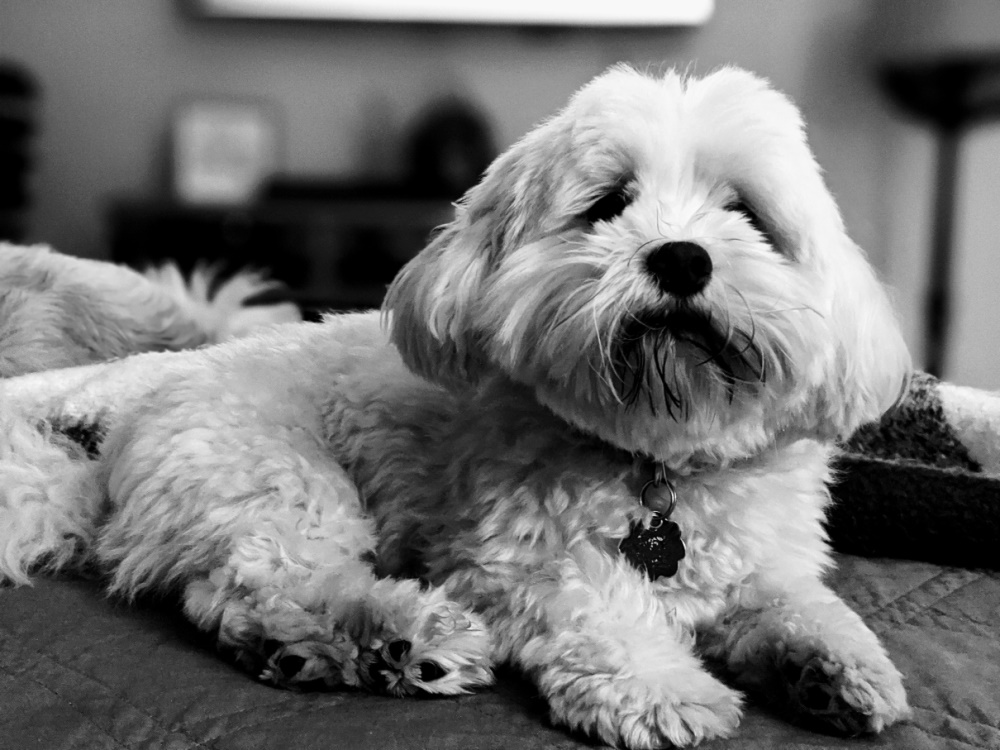
The Havanese is Cuba's national dog, developed from the now-extinct Blanquito de la Habana dog. It is the only dog breed native to Cuba. Havanese have a silky, wavy coat that serves as insulation against tropical heat. They are warm, playful, and sociable dogs that thrive on human companionship. Havanese are intelligent and eager to please, making them easy to train. They are well-suited to apartment living.
Characteristics
Scores describe general breed tendencies, not an individual animal. A higher score means more of the named trait or need; it does not always mean better.
Life with a Havanese
Origin
| Origin | Cuba |
| Group | Toy |
For the breed’s history, see the reference sources and Wikipedia link below.
Size and coat
| Weight | 3–6 kg |
| Lifespan | 14–16 years |
| Colors & Patterns | White · Black · Blue · Silver · Chocolate · Parti · Tricolor |
These are approximate adult ranges. Individual animals may be smaller or larger.
Temperament
| Personality | Affectionate · Responsive · Playful · Intelligent · Social |
Usually active. Make time for play, exercise, and activities that keep it interested.
Often seeks company and attention. Allow time together and help it get used to short periods alone.
Coat care
Coat care can take more time. Check for tangles and choose a brushing routine that suits the coat.
Usually sheds relatively little. Low shedding does not mean an animal cannot cause allergies.
Living together
Often adjusts to changes fairly well, though a gradual introduction still helps.
Often gets along with children, but an adult should still supervise their time together.
Often gets along with other pets. Introduce them gradually rather than assuming they will be friends.
Training and activities
Practice in short sessions and reward the behavior you want.
Choose walks, sniffing games, and play to suit the dog’s age and health. Allow rest as well.
A lifespan range is not a prediction for an individual animal. Breed scores cannot diagnose illness or replace a veterinary assessment.
More from breed and care sources
Excerpts from the linked sources. Read the original for full details.
Breed Overview
The Havanese is an energetic and entertaining toy breed belonging to the Barbichon family of dogs, which also includes the Bichon Frise, Bolognese and Maltese. Standing just under a foot tall, a full-grown Havanese weighs between 7–3 pounds. Once known as the Havana Silk Dog or the Spanish Silk Poodle, the Havanese is the only dog breed native to Cuba. According to the Havanese Club of America, the ancestors of today’s breed were brought from Spain to Cuba in the 1600s. During the Cuban Revolution in the 1950s, some Cubans fled to the U.S.—bringing these little dogs with them.
Care Guide
The Havanese dog is smart, spirited, and highly trainable. They make good companion dogs but may bark excessively if not properly trained. Their long coat can be straight or wavy and requires frequent brushing to stay tangle-free. Don’t bring home a Havanese puppy if you’re not ready to spend time every day on their grooming (though, shorter Havanese haircuts can make brushing more manageable). Like all dogs, the Havanese breed does best with daily walks and a moderate amount of playtime. Aim for 30 minutes of total daily exercise, which can be broken out into 10-minute walks or play sessions.