Origin
Russia
Lifespan
12–14 years
Weight
16–27 kg
Height
50–60 cm
Personality
Colors & Patterns
Black and White · Red and White · Grey and White · Sable and White · All White
Siberian Husky
About This Breed
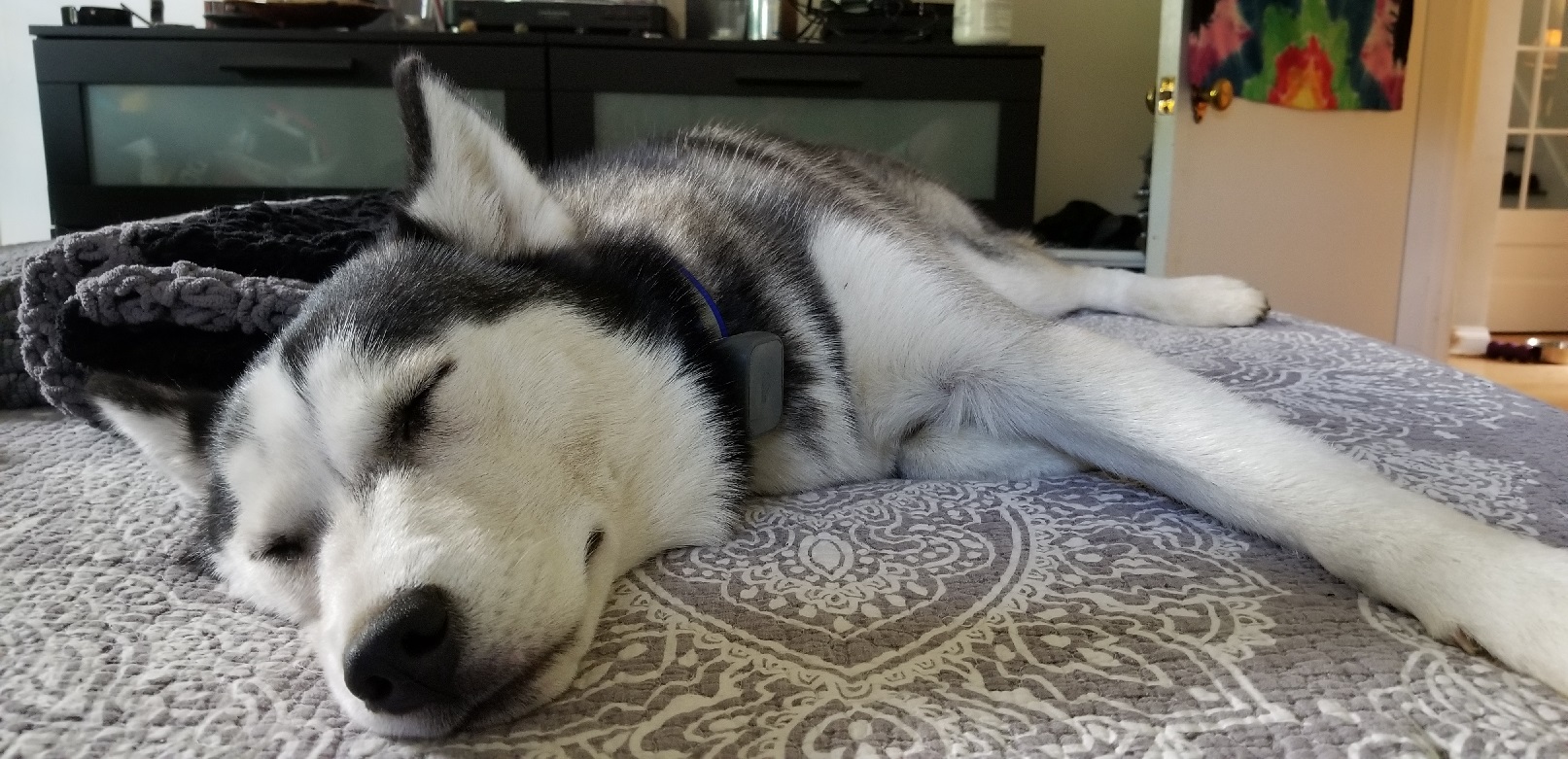
The Siberian Husky is a medium-sized working sled dog breed. The breed belongs to the Spitz genetic family. It is recognizable by its thickly furred double coat, erect triangular ears, and distinctive markings, and is smaller than the similar-looking Alaskan Malamute. Siberian Huskies are energetic, athletic, and resilient dogs bred to work in packs and run long distances. They are friendly, outgoing dogs that get along well with people and other dogs. They are known for their wolf-like appearance and vocal howling.
Characteristics
Scores describe general breed tendencies, not an individual animal. A higher score means more of the named trait or need; it does not always mean better.
Life with a Siberian Husky
Origin
| Origin | Russia |
| Group | Working |
For the breed’s history, see the reference sources and Wikipedia link below.
Size and coat
| Weight | 16–27 kg |
| Lifespan | 12–14 years |
| Height | 50–60 cm |
| Colors & Patterns | Black and White · Red and White · Grey and White · Sable and White · All White |
These are approximate adult ranges. Individual animals may be smaller or larger.
Temperament
| Personality | Outgoing · Gentle · Alert · Friendly · Intelligent |
Usually active. Make time for play, exercise, and activities that keep it interested.
Often seeks company and attention. Allow time together and help it get used to short periods alone.
Coat care
Regular brushing helps remove loose hair and prevent tangles.
Can shed a lot. Regular brushing can help manage loose hair.
Living together
A familiar routine can help it settle in.
Often gets along with children, but an adult should still supervise their time together.
Often gets along with other pets. Introduce them gradually rather than assuming they will be friends.
Training and activities
Practice in short sessions and reward the behavior you want.
Choose walks, sniffing games, and play to suit the dog’s age and health. Allow rest as well.
A lifespan range is not a prediction for an individual animal. Breed scores cannot diagnose illness or replace a veterinary assessment.
More from breed and care sources
Excerpts from the linked sources. Read the original for full details.
Breed Overview
Siberian Huskies made their U.S. debut in 1908 when they were brought to Nome, Alaska, by Russian fur trader William Goosak. According to the Siberian Husky Club of America, Alaskans weren’t impressed with this Siberian breed at first. But over the century that followed, Husky dogs became one of the most popular breeds. Standing 20–23.5 inches and weighing up to 60 pounds, Siberian Huskies are perhaps best known for their talkative personalities and endless energy. They do best in homes with active and experienced pet parents.
Care Guide
Siberian Huskies need space to roam and a lot of mental stimulation. Because of this, they make great pets for active families and children. A Siberian Husky will likely become bored with a sedentary lifestyle. Because Huskies are smart and active, they require consistent training from an early age. Lots of socialization with people and other animals is important for Siberian Husky puppies, but these dogs won’t do well in homes with shared walls or close-by neighbors because they love to talk—loudly, and about everything! They are very vocal dogs and can be expected to howl, sing, and bark.