Origin
United Kingdom
Lifespan
12–15 years
Weight
7–8 kg
Height
33–38 cm
Personality
Colors & Patterns
Black and Tan · Blue and Tan · Red · Wheaten · Grizzle
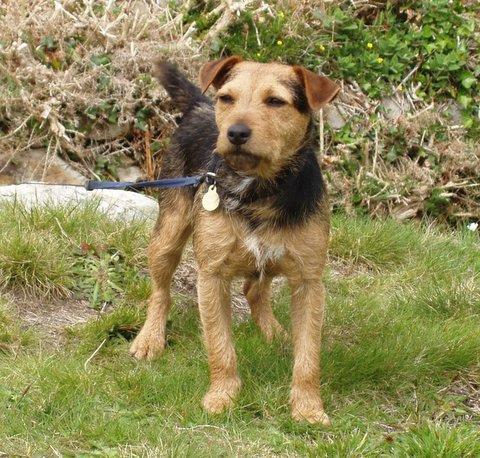
Lakeland Terrier
About This Breed
The Lakeland Terrier is a small, sturdy terrier from England's Lake District, bred to hunt foxes that preyed on lambs. Bold and confident, they are feisty yet affectionate companions.
Characteristics
Scores describe general breed tendencies, not an individual animal. A higher score means more of the named trait or need; it does not always mean better.
Life with a Lakeland Terrier
Origin
| Origin | United Kingdom |
| Group | Terriers |
For the breed’s history, see the reference sources and Wikipedia link below.
Size and coat
| Weight | 7–8 kg |
| Lifespan | 12–15 years |
| Height | 33–38 cm |
| Colors & Patterns | Black and Tan · Blue and Tan · Red · Wheaten · Grizzle |
These are approximate adult ranges. Individual animals may be smaller or larger.
Temperament
| Personality | Bold · Friendly · Confident · Independent |
Usually active. Make time for play, exercise, and activities that keep it interested.
Often seeks company and attention. Allow time together and help it get used to short periods alone.
Coat care
Coat care can take more time. Check for tangles and choose a brushing routine that suits the coat.
Usually sheds relatively little. Low shedding does not mean an animal cannot cause allergies.
Living together
Often adjusts to changes fairly well, though a gradual introduction still helps.
Teach children to handle it gently and leave it alone when it rests.
Introduce other pets gradually and watch how each animal responds.
Training and activities
May learn quickly. Keep sessions varied and practice calmly around distractions.
Choose walks, sniffing games, and play to suit the dog’s age and health. Allow rest as well.
A lifespan range is not a prediction for an individual animal. Breed scores cannot diagnose illness or replace a veterinary assessment.
More from breed and care sources
Excerpts from the linked sources. Read the original for full details.
Breed Overview
Hailing from the Lake District of northwest England, the Lakeland Terrier dog is an active and affectionate family pet. Originally bred as a fox hunter, Lakelands were not carried on horseback during the hunt like the Wire Fox Terrier. Instead, they were expected to keep up with the hounds and hunt over rocky terrain on their own four feet. This resulted in a sturdy, small dog with a lot of stamina. Lakeland Terriers have a loving personality and often do well as family dogs—as long as their energy and intellectual needs are met.
Care Guide
As one of the smaller terrier breeds (Lakelands weigh 17 pounds or less and stand 14–15 inches tall), Lakeland Terriers are equally at home in the country or the city. As with other members of the terrier class, the dogs are smart and quick to learn, but they need early socialization to maximize their generally outgoing personality. These dogs have moderate exercise needs—at least an hour of activity per day—and love to have a job or puzzle to work on. It’s best to keep them engaged and monitored in the back yard to avoid holes dug in the garden or escape attempts under the fence. Lakeland Terrier dogs have a wired double coat that sheds minimally and doesn’t produce much dander. Routine coat stripping and clipping is necessary to maintain the “wired” appearance, but other grooming maintenance is minimal.