Origin
United Kingdom
Lifespan
6–12 years
Weight
54–100 kg
Height
— cm
Personality
Colors & Patterns
Apricot · Fawn · Brindle
Mastiff
About This Breed
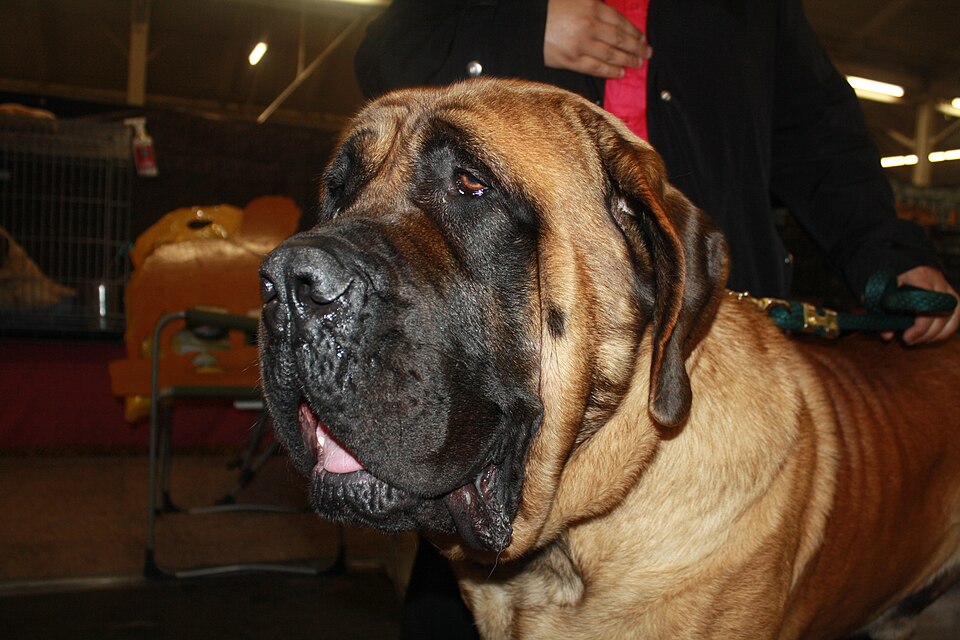
The Mastiff, also called the English Mastiff, is one of the largest dog breeds in the world, with a massive head, short coat, and enormous, heavy body. They have a recorded history of over 2,000 years in England. Despite their formidable appearance, Mastiffs are good-natured, gentle giants. They are affectionate with their families and protective of their household. Their calm temperament makes them patient with children.
Characteristics
Scores describe general breed tendencies, not an individual animal. A higher score means more of the named trait or need; it does not always mean better.
Life with a Mastiff
Origin
| Origin | United Kingdom |
| Group | Working |
For the breed’s history, see the reference sources and Wikipedia link below.
Size and coat
| Weight | 54–100 kg |
| Lifespan | 6–12 years |
| Colors & Patterns | Apricot · Fawn · Brindle |
These are approximate adult ranges. Individual animals may be smaller or larger.
Temperament
| Personality | Calm · Affectionate · Protective · Dignified · Courageous |
Usually fairly calm, but still needs daily play and activity.
Often seeks company and attention. Allow time together and help it get used to short periods alone.
Coat care
Usually needs relatively little coat care. Brush as needed for its coat and shedding.
Some shedding is expected, and it may change with the season.
Living together
A familiar routine can help it settle in.
Often gets along with children, but an adult should still supervise their time together.
Introduce other pets gradually and watch how each animal responds.
Training and activities
Practice in short sessions and reward the behavior you want.
Choose walks, sniffing games, and play to suit the dog’s age and health. Allow rest as well.
A lifespan range is not a prediction for an individual animal. Breed scores cannot diagnose illness or replace a veterinary assessment.
More from breed and care sources
Excerpts from the linked sources. Read the original for full details.
Breed Overview
The massive Mastiff is an ancient dog breed with a rich history. Also known as the Old English Mastiff, the breed was discovered in Britain when the Romans invaded in 55–54 BCE, though there’s evidence of Mastiff-like dogs dating back to 2500 BCE, according to The Mastiff Club of America (MCA). The dogs worked as hunters and guardians in Europe, and they eventually came to North America on the Mayflower. All these years later, the Mastiff is still a popular giant dog. Adult Mastiffs stand 27.5 inches and up, with males commonly reaching 30 inches or more.
Care Guide
Though they might look formidable, the Mastiff’s broad, wrinkled head features kind and lovable expressions that pet parents adore. When at home, most Mastiffs enjoy a couch potato lifestyle and tend to not have high energy needs. But don’t be fooled: If a someone new enters their home, they will instantly be on high alert. This is why socializing English Mastiff puppies is so important, so they can learn that new people aren’t something to be wary of. Their short, dense, moderately shedding coats don’t require a lot of grooming. But Mastiffs are known to be excessive droolers, and pet parents need to keep a small towel handy for quick cleanups.