Origin
Germany
Lifespan
12–15 years
Weight
5–9 kg
Height
30–36 cm
Personality
Colors & Patterns
Salt and Pepper · Black and Silver · Black · White
Miniature Schnauzer
About This Breed
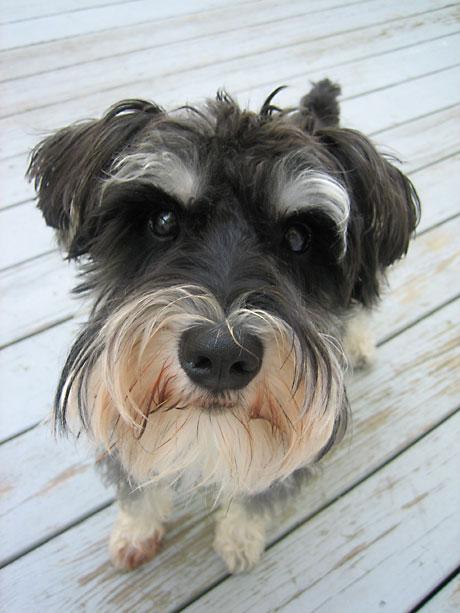
The Miniature Schnauzer is a breed of small dog of the Schnauzer type that originated in Germany in the mid-to-late 19th century. They are compact, muscular dogs with a distinguished rectangular head, prominent eyebrows, and bushy mustache. Miniature Schnauzers are known for being obedient, friendly, and intelligent. They are less feisty than most terriers and get along well with children and other pets. They are low-shedding dogs, making them popular with allergy sufferers.
Characteristics
Scores describe general breed tendencies, not an individual animal. A higher score means more of the named trait or need; it does not always mean better.
Life with a Miniature Schnauzer
Origin
| Origin | Germany |
| Group | Terriers |
For the breed’s history, see the reference sources and Wikipedia link below.
Size and coat
| Weight | 5–9 kg |
| Lifespan | 12–15 years |
| Height | 30–36 cm |
| Colors & Patterns | Salt and Pepper · Black and Silver · Black · White |
These are approximate adult ranges. Individual animals may be smaller or larger.
Temperament
| Personality | Obedient · Alert · Friendly · Spirited · Intelligent |
Usually active. Make time for play, exercise, and activities that keep it interested.
Often seeks company and attention. Allow time together and help it get used to short periods alone.
Coat care
Coat care can take more time. Check for tangles and choose a brushing routine that suits the coat.
Usually sheds relatively little. Low shedding does not mean an animal cannot cause allergies.
Living together
Often adjusts to changes fairly well, though a gradual introduction still helps.
Often gets along with children, but an adult should still supervise their time together.
Often gets along with other pets. Introduce them gradually rather than assuming they will be friends.
Training and activities
May learn quickly. Keep sessions varied and practice calmly around distractions.
Choose walks, sniffing games, and play to suit the dog’s age and health. Allow rest as well.
A lifespan range is not a prediction for an individual animal. Breed scores cannot diagnose illness or replace a veterinary assessment.
More from breed and care sources
Excerpts from the linked sources. Read the original for full details.
Breed Overview
The Miniature Schnauzer is descended from an old, hardworking breed of German dogs historically used to pull carts, herd livestock, and hunt rats. Today, the friendly, whip-smart breed makes an excellent and adaptable family pet. The first image of a Schnauzer dog dates back to the late 1400s, according to the American Miniature Schnauzer Club (AMSC). Their long beards gave the breed their name: Schnauze is the German word for muzzle. Miniature Schnauzers are small dogs that are generally between 12–14 inches tall at the shoulder and weigh between 10–20 pounds.
Care Guide
Mini Schnauzers are bright and charismatic dogs that can adapt to life in a city apartment as well as on a sprawling farm. They enjoy play as well as a good snooze, but Miniature Schnauzers still need at least an hour of exercise a day, as well as mental stimulation to keep their active minds occupied. They enjoy walks, puzzle games, agility, and learning new tricks. They’re sturdy dogs that, despite their prolific facial hair, don’t shed much. In fact, Miniature Schnauzers can make good pets for some people with dog allergies, though no dog is 100% hypoallergenic.