Origin
Canada
Lifespan
8–10 years
Weight
54–68 kg
Height
— cm
Personality
Colors & Patterns
Black · Brown · Gray · Landseer (Black and White)
Newfoundland
About This Breed
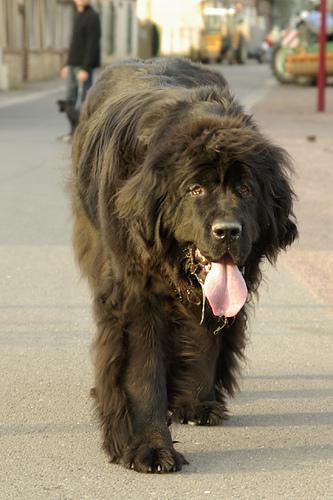
The Newfoundland is a large, strong working dog originally bred for water rescue and as a working companion to Canadian fishermen. Their thick, water-resistant double coat and webbed feet make them excellent swimmers. Known for their sweet temperament and deep devotion to their families, Newfoundlands are often called 'nanny dogs' due to their gentle patience with children. They excel at water rescue operations throughout the world.
Characteristics
Scores describe general breed tendencies, not an individual animal. A higher score means more of the named trait or need; it does not always mean better.
Life with a Newfoundland
Origin
| Origin | Canada |
| Group | Working |
For the breed’s history, see the reference sources and Wikipedia link below.
Size and coat
| Weight | 54–68 kg |
| Lifespan | 8–10 years |
| Colors & Patterns | Black · Brown · Gray · Landseer (Black and White) |
These are approximate adult ranges. Individual animals may be smaller or larger.
Temperament
| Personality | Sweet · Patient · Gentle · Devoted · Trustworthy |
Often enjoys a mix of activity and rest.
Often seeks company and attention. Allow time together and help it get used to short periods alone.
Coat care
Coat care can take more time. Check for tangles and choose a brushing routine that suits the coat.
Can shed a lot. Regular brushing can help manage loose hair.
Living together
A familiar routine can help it settle in.
Often gets along with children, but an adult should still supervise their time together.
Often gets along with other pets. Introduce them gradually rather than assuming they will be friends.
Training and activities
Practice in short sessions and reward the behavior you want.
Choose walks, sniffing games, and play to suit the dog’s age and health. Allow rest as well.
A lifespan range is not a prediction for an individual animal. Breed scores cannot diagnose illness or replace a veterinary assessment.
More from breed and care sources
Excerpts from the linked sources. Read the original for full details.
Breed Overview
Newfoundlands, affectionately known as Newfies, are not only one of the biggest dog breeds, but they’re also one of the most docile and friendly. The breed originated in Newfoundland, Canada, where the dogs worked alongside fishermen and served as water rescue dogs. Because of this history, Newfoundlands are natural swimmers—their webbed paws allow them to cut through water, and their thick coat insulates them from frigid temperatures. You can still find working Newfoundland dogs today, but they also make a great family pet for those with enough space to house this gentle giant.
Care Guide
At 100–150 pounds, a full-grown Newfoundland dog weighs as much as some humans. They also stand about 26–28 inches tall at the shoulder, have a thick double coat that sheds year-round, and tend to drool. Put all this together and you have a supersized dog that needs consistent upkeep. For pet parents dedicated to brushing their dog and wiping away drool, Newfoundlands reward you with their sweet temperament. These friendly dogs have a reputation for being calm at home, patient around children, and good roommates to other dogs and cats.