Origin
Norway
Lifespan
12–15 years
Weight
20–23 kg
Height
49–52 cm
Personality
Colors & Patterns
Gray · Silver Gray · Black Tips
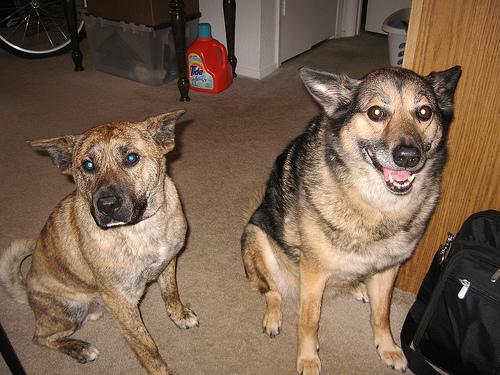
Norwegian Elkhound
About This Breed
The Norwegian Elkhound is an ancient Nordic breed used for hunting moose, bear, and other large game. Hardy and bold, they are one of the oldest breeds in existence, serving as loyal companions to Vikings.
Characteristics
Scores describe general breed tendencies, not an individual animal. A higher score means more of the named trait or need; it does not always mean better.
Life with a Norwegian Elkhound
Origin
| Origin | Norway |
| Group | Hounds |
For the breed’s history, see the reference sources and Wikipedia link below.
Size and coat
| Weight | 20–23 kg |
| Lifespan | 12–15 years |
| Height | 49–52 cm |
| Colors & Patterns | Gray · Silver Gray · Black Tips |
These are approximate adult ranges. Individual animals may be smaller or larger.
Temperament
| Personality | Bold · Energetic · Loyal · Hardy |
Usually active. Make time for play, exercise, and activities that keep it interested.
Often seeks company and attention. Allow time together and help it get used to short periods alone.
Coat care
Regular brushing helps remove loose hair and prevent tangles.
Can shed a lot. Regular brushing can help manage loose hair.
Living together
A familiar routine can help it settle in.
Often gets along with children, but an adult should still supervise their time together.
Introduce other pets gradually and watch how each animal responds.
Training and activities
Practice in short sessions and reward the behavior you want.
Choose walks, sniffing games, and play to suit the dog’s age and health. Allow rest as well.
A lifespan range is not a prediction for an individual animal. Breed scores cannot diagnose illness or replace a veterinary assessment.
More from breed and care sources
Excerpts from the linked sources. Read the original for full details.
Breed Overview
Many dogs are great companions by nature, but the Norwegian Elkhound has been walking side by side with humans since the age of the Vikings, according to the Norwegian Elkhound Association of America (NEAA). The fluffy, medium-size breed has perky ears and an attitude to match. Commonly called Elkies, today these ancient hunting dogs may not be seeking out moose and elk, but they still have the energy and loyalty that made them exceptional canine companions. At about 19–20 inches tall and weighing between 45–57 pounds, the bulk of these pups is made of thick gray, black, and silver fur.
Care Guide
Elkies are known to be friendly, sweet dogs that love attention and cuddles from their human companions. This temperament makes them great around children of all ages, though all interactions between kids and dogs need to be supervised. The Norwegian Elkhound’s high energy and playful nature also make them ready for adventure. One hour of exercise a day is recommended for this breed, whether that’s running in a fenced yard; going on long walks; or hikes, swimming, or hunting alongside their humans. They need mental stimulation as much as they need physical exercise, as a bored Elkie can become destructive and noisy. But keep in mind: While Elkies are sweet and cuddly dogs at home, the NEAA says they have an undeniable independent streak. This part of their personality might make them a little difficult to train, though they’re smart dogs. Be consistent and use positive reinforcement methods when training your Norwegian Elkhound.