Origin
Germany / Poland
Lifespan
12–16 years
Weight
1–3 kg
Height
18–24 cm
Personality
Colors & Patterns
Orange · Red · White · Black · Blue · Brown · Cream
Pomeranian
About This Breed
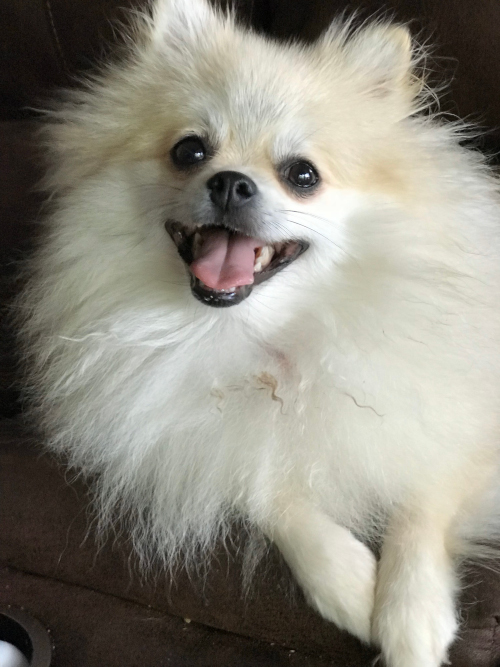
The Pomeranian is a breed of dog of the Spitz type that is named after the Pomerania region in north-west Poland and north-east Germany in Central Europe. Classed as a toy dog breed because of its small size, the Pomeranian is descended from larger Spitz type dogs. Pomeranians are extroverted, bold, and lively dogs. They are known for their fluffy double coat and foxy face. Despite their small size, they have big personalities and can be excellent watchdogs.
Characteristics
Scores describe general breed tendencies, not an individual animal. A higher score means more of the named trait or need; it does not always mean better.
Life with a Pomeranian
Origin
| Origin | Germany / Poland |
| Group | Toy |
For the breed’s history, see the reference sources and Wikipedia link below.
Size and coat
| Weight | 1–3 kg |
| Lifespan | 12–16 years |
| Height | 18–24 cm |
| Colors & Patterns | Orange · Red · White · Black · Blue · Brown · Cream |
These are approximate adult ranges. Individual animals may be smaller or larger.
Temperament
| Personality | Bold · Active · Extroverted · Friendly · Intelligent |
Usually active. Make time for play, exercise, and activities that keep it interested.
Often seeks company and attention. Allow time together and help it get used to short periods alone.
Coat care
Coat care can take more time. Check for tangles and choose a brushing routine that suits the coat.
Can shed a lot. Regular brushing can help manage loose hair.
Living together
Often adjusts to changes fairly well, though a gradual introduction still helps.
Teach children to handle it gently and leave it alone when it rests.
Often gets along with other pets. Introduce them gradually rather than assuming they will be friends.
Training and activities
Practice in short sessions and reward the behavior you want.
Choose walks, sniffing games, and play to suit the dog’s age and health. Allow rest as well.
A lifespan range is not a prediction for an individual animal. Breed scores cannot diagnose illness or replace a veterinary assessment.
More from breed and care sources
Excerpts from the linked sources. Read the original for full details.
Breed Overview
Pomeranians are a miniaturized descendant of the Spitz sled dog breeds—the Akita, Alaskan Malamute, Chow Chow, and Samoyed, just to name a few. Originally, Poms were much larger (about 30 pounds, according to the American Pomeranian Club) and were used for herding. However, they were bred to reduce their size to what we recognize now, and today the Pomeranian is one of the smallest dog breeds, at just 6–7 inches tall at the shoulder and 3–7 pounds. Pomeranian colors vary greatly; there are tri-colored, sable, brindle, merle, white, and black Pomeranians, among many other colors and patterns.
Care Guide
Pomeranians have large personalities in their tiny bodies. They are sassy, spunky, and often have the confidence of a much larger dog. Pomeranian dogs generally do well with other pets and love attention. Poms are great companions for many types of pet parents—families, singles, and older adults included. They may not be the best option in homes with young children, however, because the dogs' small size makes them rather fragile. While the breed can be playful, the dogs don’t require extensive outdoor activity because of their small size. But the dogs’ extremely fluffy coat requires daily upkeep and grooming to stay pretty and healthy. To make brushing easier, you can give your Pomeranian haircuts to keep their fur short.