Origin
Russia
Lifespan
12–14 years
Weight
1–3 kg
Height
20–28 cm
Personality
Colors & Patterns
Black and Tan · Blue and Tan · Brown and Tan · Red
Russian Toy
About This Breed
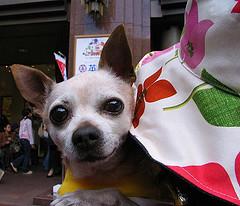
The Russian Toy is one of the smallest breeds in the world, originally bred as a companion and watchdog for Russian aristocracy. Available in smooth and long-coated varieties, they are lively, elegant, and devoted companions.
Characteristics
Scores describe general breed tendencies, not an individual animal. A higher score means more of the named trait or need; it does not always mean better.
Life with a Russian Toy
Origin
| Origin | Russia |
| Group | Toy |
For the breed’s history, see the reference sources and Wikipedia link below.
Size and coat
| Weight | 1–3 kg |
| Lifespan | 12–14 years |
| Height | 20–28 cm |
| Colors & Patterns | Black and Tan · Blue and Tan · Brown and Tan · Red |
These are approximate adult ranges. Individual animals may be smaller or larger.
Temperament
| Personality | Cheerful · Active · Intelligent · Loyal |
Usually active. Make time for play, exercise, and activities that keep it interested.
Often seeks company and attention. Allow time together and help it get used to short periods alone.
Coat care
Usually needs relatively little coat care. Brush as needed for its coat and shedding.
Usually sheds relatively little. Low shedding does not mean an animal cannot cause allergies.
Living together
Often adjusts to changes fairly well, though a gradual introduction still helps.
Teach children to handle it gently and leave it alone when it rests.
Introduce other pets gradually and watch how each animal responds.
Training and activities
Practice in short sessions and reward the behavior you want.
Choose walks, sniffing games, and play to suit the dog’s age and health. Allow rest as well.
A lifespan range is not a prediction for an individual animal. Breed scores cannot diagnose illness or replace a veterinary assessment.