Origin
Scotland
Lifespan
11–13 years
Weight
8–10 kg
Height
— cm
Personality
Colors & Patterns
Black · Wheaten · Brindle
Scottish Terrier
About This Breed
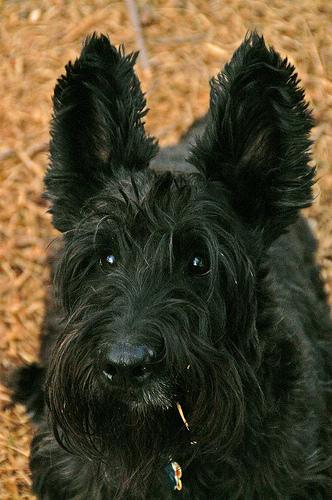
The Scottish Terrier, affectionately known as 'Scottie', is a small, compact, sturdily-built terrier from Scotland. They have a distinctive wiry weather-resistant outer coat, bearded muzzle, and sharp pricked ears. Scotties are feisty, alert, and full of terrier spirit. They are fearless and confident despite their small size, and have earned a reputation for being independent and occasionally stubborn. Scottish Terriers are devoted to their owners but cautious with strangers.
Characteristics
Scores describe general breed tendencies, not an individual animal. A higher score means more of the named trait or need; it does not always mean better.
Life with a Scottish Terrier
Origin
| Origin | Scotland |
| Group | Terriers |
For the breed’s history, see the reference sources and Wikipedia link below.
Size and coat
| Weight | 8–10 kg |
| Lifespan | 11–13 years |
| Colors & Patterns | Black · Wheaten · Brindle |
These are approximate adult ranges. Individual animals may be smaller or larger.
Temperament
| Personality | Independent · Feisty · Alert · Spirited · Loyal |
Often enjoys a mix of activity and rest.
Often seeks company and attention. Allow time together and help it get used to short periods alone.
Coat care
Coat care can take more time. Check for tangles and choose a brushing routine that suits the coat.
Usually sheds relatively little. Low shedding does not mean an animal cannot cause allergies.
Living together
Often adjusts to changes fairly well, though a gradual introduction still helps.
Teach children to handle it gently and leave it alone when it rests.
Introductions to other pets may take time. Provide separate spaces.
Training and activities
Practice in short sessions and reward the behavior you want.
Choose walks, sniffing games, and play to suit the dog’s age and health. Allow rest as well.
A lifespan range is not a prediction for an individual animal. Breed scores cannot diagnose illness or replace a veterinary assessment.
More from breed and care sources
Excerpts from the linked sources. Read the original for full details.
Breed Overview
Scottish Terriers, or “Scotties,” are stout and strong dogs that have been in the U.S. since the 1890s. They trace their ancestry back to early 1800s Scotland where they were bred to hunt vermin. Standing just 10 inches tall and weighing 18–22 pounds, Scottish Terriers are small dogs, but that doesn’t mean they’re content to stay inside all day. They’re spirited and confident dogs that need consistent exercise and lots of mental stimulation. Caring for a Scottish Terrier Scotties are an energetic breed that love spending time with their pet parents.
Care Guide
Scotties are an energetic breed that love spending time with their pet parents. They need regular, but not constant, exercise and stimulation to live a happy life. According to the Scottish Terrier Club of America (STCA), they need to run, fetch toys, and go on long walks every day. Along with exercise and stimulation, pet parents need to prioritize grooming their Scottish Terrier. They’re not overly high-maintenance dogs, according to the STCA, but Scotties need to be bathed, hand-stripped, and/or clipped every two or three months. Make sure you have the budget for professional grooming appointments or the time to groom your dog yourself before bringing home a Scottish Terrier puppy.