Origin
China
Lifespan
8–12 years
Weight
18–29 kg
Height
— cm
Personality
Colors & Patterns
Black · Cream · Brown · Red · Sable · Blue
Chinese Shar-Pei
About This Breed
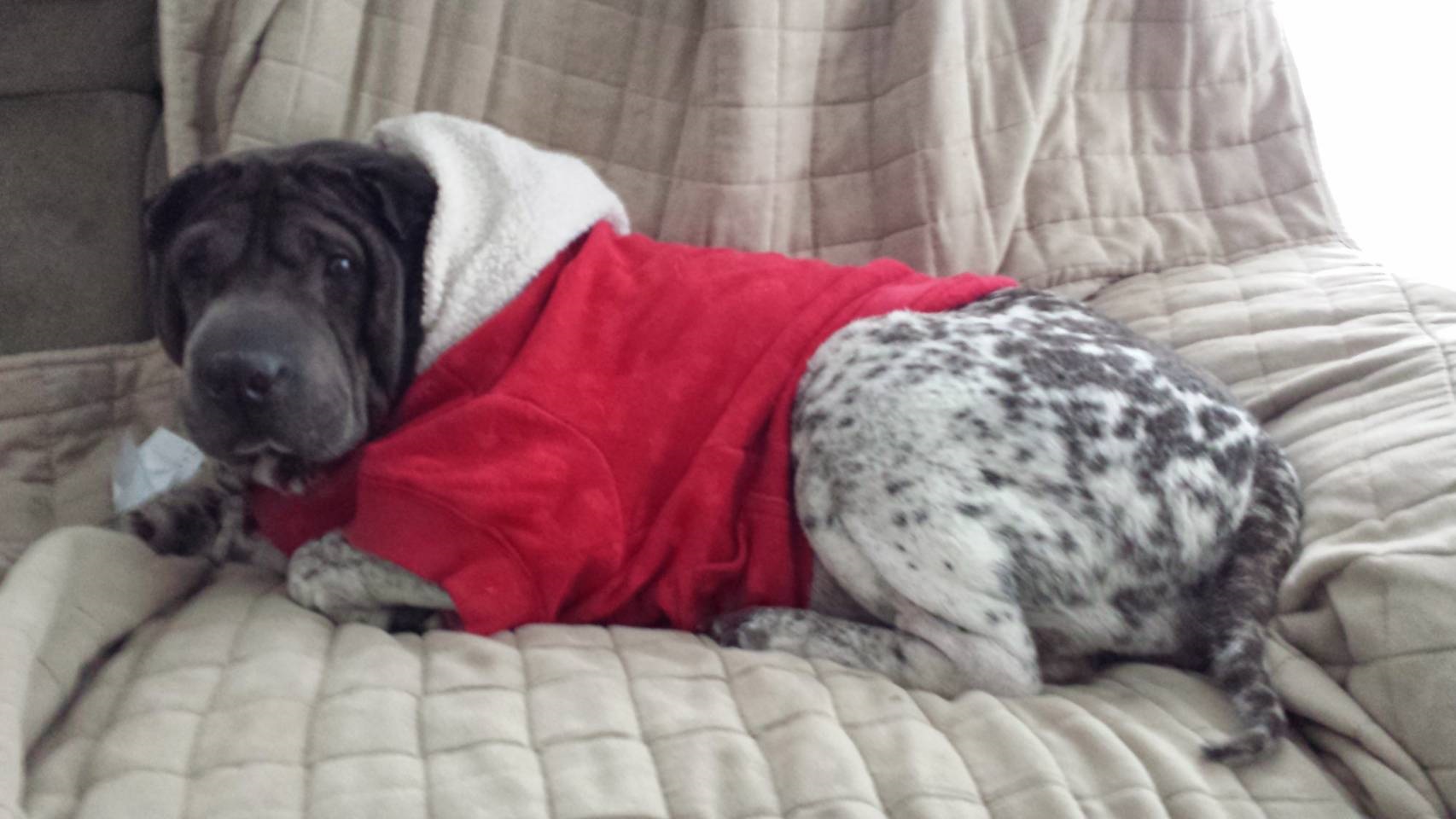
The Chinese Shar-Pei is an ancient breed from southern China, dating back to the Han Dynasty. Distinctive for their deep folds of loose, wrinkled skin and distinctive blue-black tongue (shared only with the Chow Chow). They were used as hunting and fighting dogs, as well as farm and guard dogs. Shar-Peis are calm and devoted to their families but reserved with strangers. Their wrinkled skin requires careful attention to prevent infections from developing in the skin folds.
Characteristics
Scores describe general breed tendencies, not an individual animal. A higher score means more of the named trait or need; it does not always mean better.
Life with a Chinese Shar-Pei
Origin
| Origin | China |
| Group | Non-sporting |
For the breed’s history, see the reference sources and Wikipedia link below.
Size and coat
| Weight | 18–29 kg |
| Lifespan | 8–12 years |
| Colors & Patterns | Black · Cream · Brown · Red · Sable · Blue |
These are approximate adult ranges. Individual animals may be smaller or larger.
Temperament
| Personality | Calm · Devoted · Independent · Reserved · Loyal |
Often enjoys a mix of activity and rest.
Often seeks company and attention. Allow time together and help it get used to short periods alone.
Coat care
Regular brushing helps remove loose hair and prevent tangles.
Usually sheds relatively little. Low shedding does not mean an animal cannot cause allergies.
Living together
A familiar routine can help it settle in.
Teach children to handle it gently and leave it alone when it rests.
Introductions to other pets may take time. Provide separate spaces.
Training and activities
Practice in short sessions and reward the behavior you want.
Choose walks, sniffing games, and play to suit the dog’s age and health. Allow rest as well.
A lifespan range is not a prediction for an individual animal. Breed scores cannot diagnose illness or replace a veterinary assessment.
More from breed and care sources
Excerpts from the linked sources. Read the original for full details.
Breed Overview
The Shar-Pei originated in China during the Han Dynasty over 2,000 years ago. This breed is well known for their broad muzzle, bluish-black tongue, tiny eyes and ears, and folds of skin on their face, neck, and shoulders. As a medium-sized breed, Shar-Pei dogs weigh 45–60 pounds and stand about 18–20 inches at the shoulder. Chinese farmers initially used Shar-Pei to guard and herd their livestock. By the 1900s, Shar-Pei were also used for hunting boar and guarding the home. Today, Chinese Shar-Pei are loyal companions but, like all other breeds, they need consistent training to learn good behavior around new people, other pets, and children.
Care Guide
Shar-Pei dogs can make great companions, but they might be a challenge for first-time pet parents. This is because, while Chinese Shar-Pei are smart dogs, they can be willful. They can also develop anxiety without proper socialization, especially when meeting new people or in new situations. Pet parents must dedicate themselves to training when bringing home a Chinese Shar-Pei puppy—otherwise, their pup might develop unwanted behaviors that arise from anxiety and fear. Shar-Pei are laid-back dogs that don’t require as much exercise as some other dog breeds. They enjoy going on short walks and are happy in an apartment or small home. They are affectionate dogs around caregivers, but Shar-Pei might be slow to warm up to strangers. Supervised introductions to other pets and children at a young age are important so Shar-Pei learn that new people and animals aren’t scary.