Origin
Japan
Lifespan
12–15 years
Weight
7–11 kg
Height
33–41 cm
Personality
Colors & Patterns
Red · Black and Tan · Sesame · Cream
Shiba Inu
About This Breed
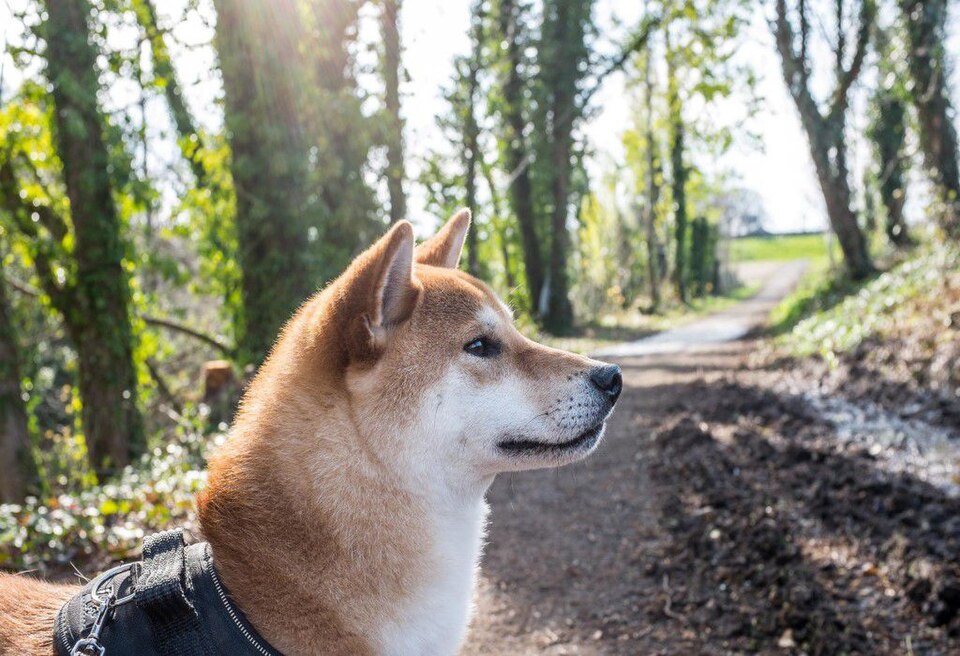
The Shiba Inu is a breed of hunting dog from Japan. A small-to-medium breed, it is the smallest of the six original and distinct spitz breeds of dog native to Japan. The Shiba Inu is the most popular companion dog in Japan and is commonly known worldwide. A small, agile dog that copes very well with mountainous terrain, the Shiba Inu was originally bred for hunting. Despite their small size, they are bold and confident dogs known for the 'Shiba Scream'.
Characteristics
Scores describe general breed tendencies, not an individual animal. A higher score means more of the named trait or need; it does not always mean better.
Life with a Shiba Inu
Origin
| Origin | Japan |
| Group | Non-sporting |
For the breed’s history, see the reference sources and Wikipedia link below.
Size and coat
| Weight | 7–11 kg |
| Lifespan | 12–15 years |
| Height | 33–41 cm |
| Colors & Patterns | Red · Black and Tan · Sesame · Cream |
These are approximate adult ranges. Individual animals may be smaller or larger.
Temperament
| Personality | Alert · Confident · Loyal · Fearless · Keen |
Usually active. Make time for play, exercise, and activities that keep it interested.
Often seeks company and attention. Allow time together and help it get used to short periods alone.
Coat care
Regular brushing helps remove loose hair and prevent tangles.
Some shedding is expected, and it may change with the season.
Living together
A familiar routine can help it settle in.
Teach children to handle it gently and leave it alone when it rests.
Introductions to other pets may take time. Provide separate spaces.
Training and activities
Use short sessions and clear rewards. It may need more repetition to learn a new task.
Choose walks, sniffing games, and play to suit the dog’s age and health. Allow rest as well.
A lifespan range is not a prediction for an individual animal. Breed scores cannot diagnose illness or replace a veterinary assessment.
More from breed and care sources
Excerpts from the linked sources. Read the original for full details.
Breed Overview
The Shiba Inu is an ancient dog breed that originated in Japan. Bred to hunt birds, small game, and sometimes even wild boar, according to the National Shiba Club of America, today’s Shiba Inu dogs are more likely to be found lying on the couch than tracking prey. This Japanese dog has a pointed muzzle and upright ears, which makes them look almost like a fox. Shibas are small and compact dogs, typically weighing 17–23 pounds. They have a double coat, meaning there is a soft undercoat, and a stiff outercoat of guard hairs that can be up to 2 inches long.
Care Guide
The Shiba Inu can be a very friendly dog, but they can also be independent and opinionated—which means they are quite vocal, especially if they are feeling stressed or anxious. Anyone who has a Shiba Inu family member can tell you about the “Shiba scream.” Shibas are high-energy and very intelligent, so they require lots of mental stimulation and exercise. Their high energy and alertness also mean that they can be predisposed to anxiety and undesirable behaviors—like the Shiba scream—without proper exercise. According to the breed club, Shiba dogs are bold and fiery. This combination, paired with their independent disposition, means they might do best with experienced pet parents who have the patience and consistency to train their Shiba Inu puppy with positive reinforcement. A Shiba Inu’s double coat means they shed quite a bit, and they need regular grooming to maintain a healthy coat.