Origin
Tibet
Lifespan
12–15 years
Weight
34–73 kg
Height
— cm
Personality
Colors & Patterns
Black · Brown · Blue Gray · Red Gold · Cream
Tibetan Mastiff
About This Breed
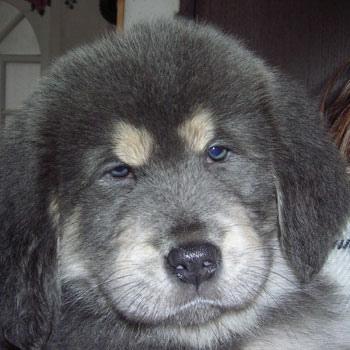
The Tibetan Mastiff is an ancient nomadic breed from Tibet, Nepal, and Central Asia, where they guarded tribal camps and flocks against predators including leopards and bears. Their massive size, thick double coat, and strong territorial instincts made them formidable guardians. Today's Tibetan Mastiffs retain these guarding instincts and are deeply loyal to their families but extremely suspicious of strangers. They are not recommended for first-time dog owners.
Characteristics
Scores describe general breed tendencies, not an individual animal. A higher score means more of the named trait or need; it does not always mean better.
Life with a Tibetan Mastiff
Origin
| Origin | Tibet |
| Group | Working |
For the breed’s history, see the reference sources and Wikipedia link below.
Size and coat
| Weight | 34–73 kg |
| Lifespan | 12–15 years |
| Colors & Patterns | Black · Brown · Blue Gray · Red Gold · Cream |
These are approximate adult ranges. Individual animals may be smaller or larger.
Temperament
| Personality | Strong · Loyal · Protective · Intelligent · Territorial |
Often enjoys a mix of activity and rest.
Often seeks company and attention. Allow time together and help it get used to short periods alone.
Coat care
Coat care can take more time. Check for tangles and choose a brushing routine that suits the coat.
Can shed a lot. Regular brushing can help manage loose hair.
Living together
May need extra time to settle into a new home. Keep changes gradual.
Teach children to handle it gently and leave it alone when it rests.
Introductions to other pets may take time. Provide separate spaces.
Training and activities
Practice in short sessions and reward the behavior you want.
Choose walks, sniffing games, and play to suit the dog’s age and health. Allow rest as well.
A lifespan range is not a prediction for an individual animal. Breed scores cannot diagnose illness or replace a veterinary assessment.
More from breed and care sources
Excerpts from the linked sources. Read the original for full details.
Breed Overview
Tibetan Mastiffs are known for their massive size and lion-like appearance. Originating from Tibet in East Asia, they are an ancient breed (written records date back to 1100 BCE) whose origins are not fully known, according to the American Tibetan Mastiff Association. These historical guardians are aloof but loving and loyal to their family. The Tibetan Mastiff has a dense, two-layer hair coat consisting of a thick, coarse top coat and a wooly soft undercoat. They are considered a giant dog breed, weighing anywhere between 70–150 pounds with an alert stance, a giant and broad head, recessed eyes, a square-shaped muzzle, a muscular build, and a feathered tail curled up on their back.
Care Guide
The Tibetan Mastiff displays an aloof, yet alert, temperament and can make a loyal dog. Because of their thick, double-layered hair coat, Tibetan Mastiffs require regular brushing and do not do well in hot weather. Pet parents need to stay alert for signs of heatstroke if they live in warmer areas, or during spring and summer in temperate regions. Though they are powerful dogs with good agility, Tibetan Mastiffs lack endurance, so they don’t make good jogging partners. They are very intelligent dogs, but they can also be independent-minded and require a job in order to be happy. Socializing a Tibetan Mastiff puppy is very important so they don’t grow up thinking all new animals and people are a danger to their family.