Origin
Hungary
Lifespan
12–15 years
Weight
20–29 kg
Height
— cm
Personality
Colors & Patterns
Golden Rust
Vizsla
About This Breed
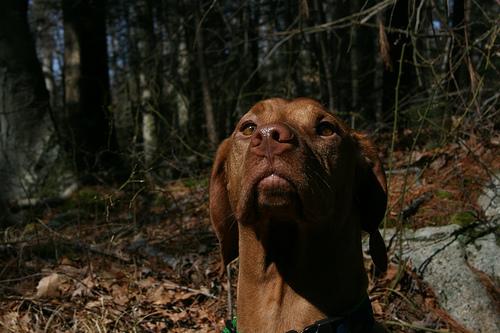
The Vizsla is a Hungarian sporting breed that has been a companion of Hungarian nobles and warlords since at least the 10th century. Their rust-gold coat blends seamlessly with autumn landscapes in the field. Vizslas are known as 'Velcro dogs' because they form an unusually close attachment to their owners and dislike being left alone. They are gentle, affectionate, and highly trainable. These versatile dogs can point, retrieve, and track.
Characteristics
Scores describe general breed tendencies, not an individual animal. A higher score means more of the named trait or need; it does not always mean better.
Life with a Vizsla
Origin
| Origin | Hungary |
| Group | Sporting |
For the breed’s history, see the reference sources and Wikipedia link below.
Size and coat
| Weight | 20–29 kg |
| Lifespan | 12–15 years |
| Colors & Patterns | Golden Rust |
These are approximate adult ranges. Individual animals may be smaller or larger.
Temperament
| Personality | Affectionate · Energetic · Loyal · Gentle · Intelligent |
Usually active. Make time for play, exercise, and activities that keep it interested.
Often seeks company and attention. Allow time together and help it get used to short periods alone.
Coat care
Usually needs relatively little coat care. Brush as needed for its coat and shedding.
Usually sheds relatively little. Low shedding does not mean an animal cannot cause allergies.
Living together
Often adjusts to changes fairly well, though a gradual introduction still helps.
Often gets along with children, but an adult should still supervise their time together.
Often gets along with other pets. Introduce them gradually rather than assuming they will be friends.
Training and activities
Practice in short sessions and reward the behavior you want.
Choose walks, sniffing games, and play to suit the dog’s age and health. Allow rest as well.
A lifespan range is not a prediction for an individual animal. Breed scores cannot diagnose illness or replace a veterinary assessment.
More from breed and care sources
Excerpts from the linked sources. Read the original for full details.
Breed Overview
The cheerful, energetic Vizsla was first bred in Hungary, where the breed was originally developed as a hunting companion. The prized athletes—named for the Hungarian word for “pointer”—have a smooth, red-golden coat, can weigh up to 55-60 pounds, and stand 22-24 inches tall. Because these pups adore time with loved ones, they are best for pet parents who are willing to establish a strong bond with their four-legged friend and ensure they receive plenty of daily exercise and affection. Caring for a Vizsla Hungarian Vizslas are considered one of the oldest-known hunting dogs, which means they are natural athletes that aim to please, according to The Vizsla Club of America.
Care Guide
Hungarian Vizslas are considered one of the oldest-known hunting dogs, which means they are natural athletes that aim to please, according to The Vizsla Club of America. The high-energy, intelligent breed needs regular mental and physical stimulation, which can be everything from jogging and swimming to agility training. These tall, long-eared beauties are extremely loyal and friendly, making them ideal family pets for households with children. But pet parents should be prepared to provide their Vizsla with plenty of room to roam and dedicate ample time to training them from a young age. “Their strong energy levels make them unsuitable for apartment living and necessitate a roomy setting,” says Alex Schechter, DVM. “Vizslas prefer to live in homes with sizable gardens or easy access to green areas. They work best in houses with grown-ups and older kids. Children should always be under adult supervision when playing with dogs, regardless of the breed.”