Origin
Wales
Lifespan
12–15 years
Weight
16–20 kg
Height
43–48 cm
Personality
Colors & Patterns
Red and White
Welsh Springer Spaniel
About This Breed
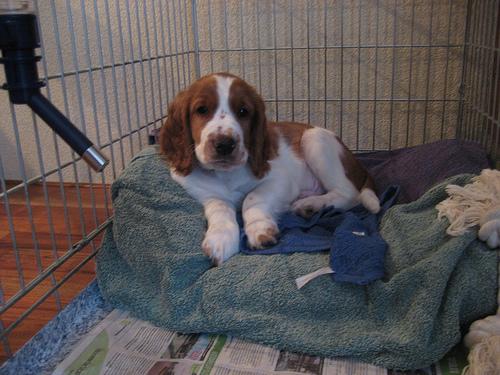
The Welsh Springer Spaniel is a compact, athletic spaniel with a distinctive rich red and white coat. An ancient breed from Wales, they are loyal, versatile hunting dogs and devoted family companions.
Characteristics
Scores describe general breed tendencies, not an individual animal. A higher score means more of the named trait or need; it does not always mean better.
Life with a Welsh Springer Spaniel
Origin
| Origin | Wales |
| Group | Sporting |
For the breed’s history, see the reference sources and Wikipedia link below.
Size and coat
| Weight | 16–20 kg |
| Lifespan | 12–15 years |
| Height | 43–48 cm |
| Colors & Patterns | Red and White |
These are approximate adult ranges. Individual animals may be smaller or larger.
Temperament
| Personality | Loyal · Friendly · Active · Playful |
Usually active. Make time for play, exercise, and activities that keep it interested.
Often seeks company and attention. Allow time together and help it get used to short periods alone.
Coat care
Regular brushing helps remove loose hair and prevent tangles.
Some shedding is expected, and it may change with the season.
Living together
A familiar routine can help it settle in.
Often gets along with children, but an adult should still supervise their time together.
Often gets along with other pets. Introduce them gradually rather than assuming they will be friends.
Training and activities
May learn quickly. Keep sessions varied and practice calmly around distractions.
Choose walks, sniffing games, and play to suit the dog’s age and health. Allow rest as well.
A lifespan range is not a prediction for an individual animal. Breed scores cannot diagnose illness or replace a veterinary assessment.
More from breed and care sources
Excerpts from the linked sources. Read the original for full details.
Breed Overview
The loyal, affectionate Welsh Springer Spaniel, or Welshie, is often described as a “Velcro dog” due to their strong need for companionship. However, it’s important to note that they want this friendship to come from their family, and they can be reserved when meeting new people. An ancient bird-hunting breed developed in Wales, active and energetic Welshies gained American Kennel Club (AKC) member status in 1906. The Welsh Springer Spaniel is described in the breed standard as being “an attractive dog of handy size … compact, not leggy, obviously built for hard work and endurance.” And indeed they are compact, ranging 35–55 pounds in weight and 17–19 inches in height.
Care Guide
First and foremost, Welsh Springer Spaniels need a family that is present. According to the Welsh Springer Spaniel Club of America (WSSCA), Welshies generally prefer the company of their people over other pets, though they are most likely to jell with other Welshies. Because Welsh Springer Spaniels were bred as hunting dogs, they can follow their talented noses into trouble. That’s why all off-leash play should happen only within a securely fenced area. It’s also why Welshies might not be a good fit in homes with pet birds, bunnies, or other smaller pets. Early socialization and consistent training is especially important for dogs like Welshies, which are prone to being reserved around strangers; they will also resort to barking when concerned or bored. To stay mentally and physically fit, Welsh Springer Spaniels need daily opportunities for exercising their brain and body.